Samsung Memory Prices Surge in Korea
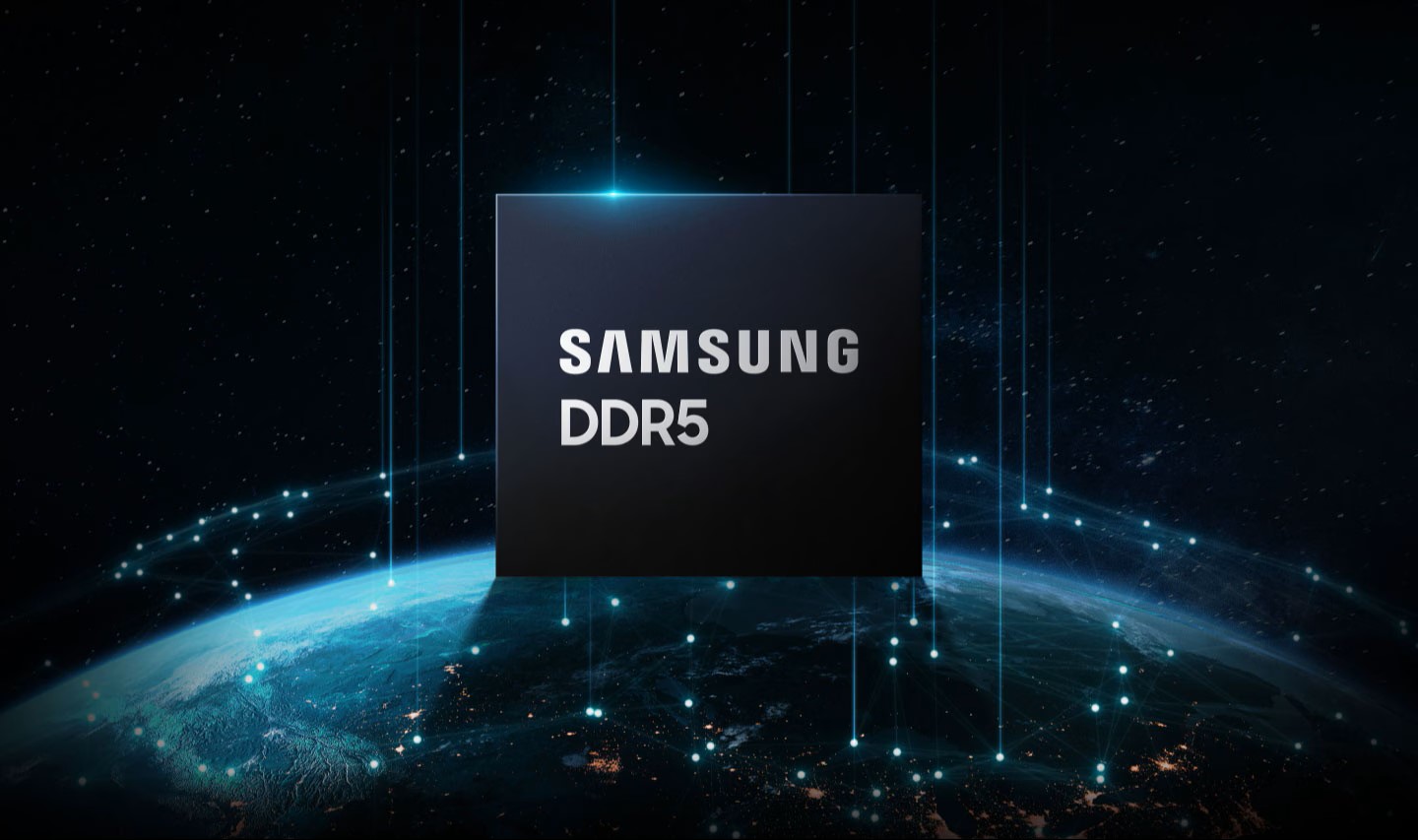
💡Memory price volatility directly impacts the TCO of AI infrastructure and local model deployment.
⚡ 30-Second TL;DR
What Changed
DDR4 memory prices increased by 19% within one month
Why It Matters
Rising memory costs directly impact the training and inference infrastructure budgets for AI developers. Increased hardware costs may slow down the deployment of local LLM clusters.
What To Do Next
Review your hardware procurement budget for upcoming GPU server builds to account for rising DRAM costs.
Key Points
- •DDR4 memory prices increased by 19% within one month
- •DDR5 prices are also rising, though at a slower rate than DDR4
- •Supply chain shifts are impacting memory costs in the Korean market
🧠 Deep Insight
AI-generated analysis for this event — not the original article.
🔑 Enhanced Key Takeaways
- •The price surge is largely attributed to Samsung's strategic shift in production capacity, prioritizing high-bandwidth memory (HBM) for AI accelerators over legacy DDR4 nodes.
- •Inventory levels for DDR4 have tightened significantly as Samsung reduces wafer starts for older generations to maximize profitability in the AI-driven data center market.
- •Korean domestic distributors are reporting a 'scarcity premium' as smaller system integrators struggle to secure bulk DDR4 orders compared to larger enterprise clients.
- •Market analysts suggest the price disparity between DDR4 and DDR5 is narrowing as the industry reaches a crossover point where legacy manufacturing costs become less efficient than newer nodes.
- •Samsung has reportedly implemented stricter allocation policies for its Korean channel partners to ensure supply for its primary HBM customers, exacerbating local shortages.
📊 Competitor Analysis▸ Show
| Feature | Samsung (DDR4/DDR5) | SK Hynix (DDR4/DDR5) | Micron (DDR4/DDR5) |
|---|---|---|---|
| Market Strategy | Aggressive HBM pivot | HBM leadership focus | Balanced legacy/AI mix |
| Pricing Trend | High volatility (Korea) | Stable/Premium | Moderate adjustment |
| DDR5 Adoption | Rapid scaling | Industry leader | Steady growth |
🛠️ Technical Deep Dive
- Samsung is utilizing 1a and 1b nanometer process nodes for its current DDR5 production, which offers higher power efficiency and density compared to legacy DDR4 nodes.
- The shift in production involves retooling older fabrication lines (Fab 13/15) that previously handled DDR4 to support HBM3E and HBM4 development.
- DDR4 modules are currently manufactured on mature 1x/1y nm processes, which are increasingly being phased out to optimize cleanroom space for EUV-based lithography equipment.
- The price surge is exacerbated by the transition from standard DDR5 to higher-speed JEDEC-compliant modules (6400MT/s and above) which require more complex signal integrity testing.
🔮 Future ImplicationsAI analysis grounded in cited sources
⏳ Timeline
Weekly AI Recap
Read this week's curated digest of top AI events →
👉Related Updates


AI-curated news aggregator. All content rights belong to original publishers.
Original source: cnBeta (Full RSS) ↗
This is a summary, not the original. Read the source, or get the weekly briefing.
Weekly AI briefing
One email a week. Unsubscribe anytime.