Rewritable DNA 'Hard Drive' Explored
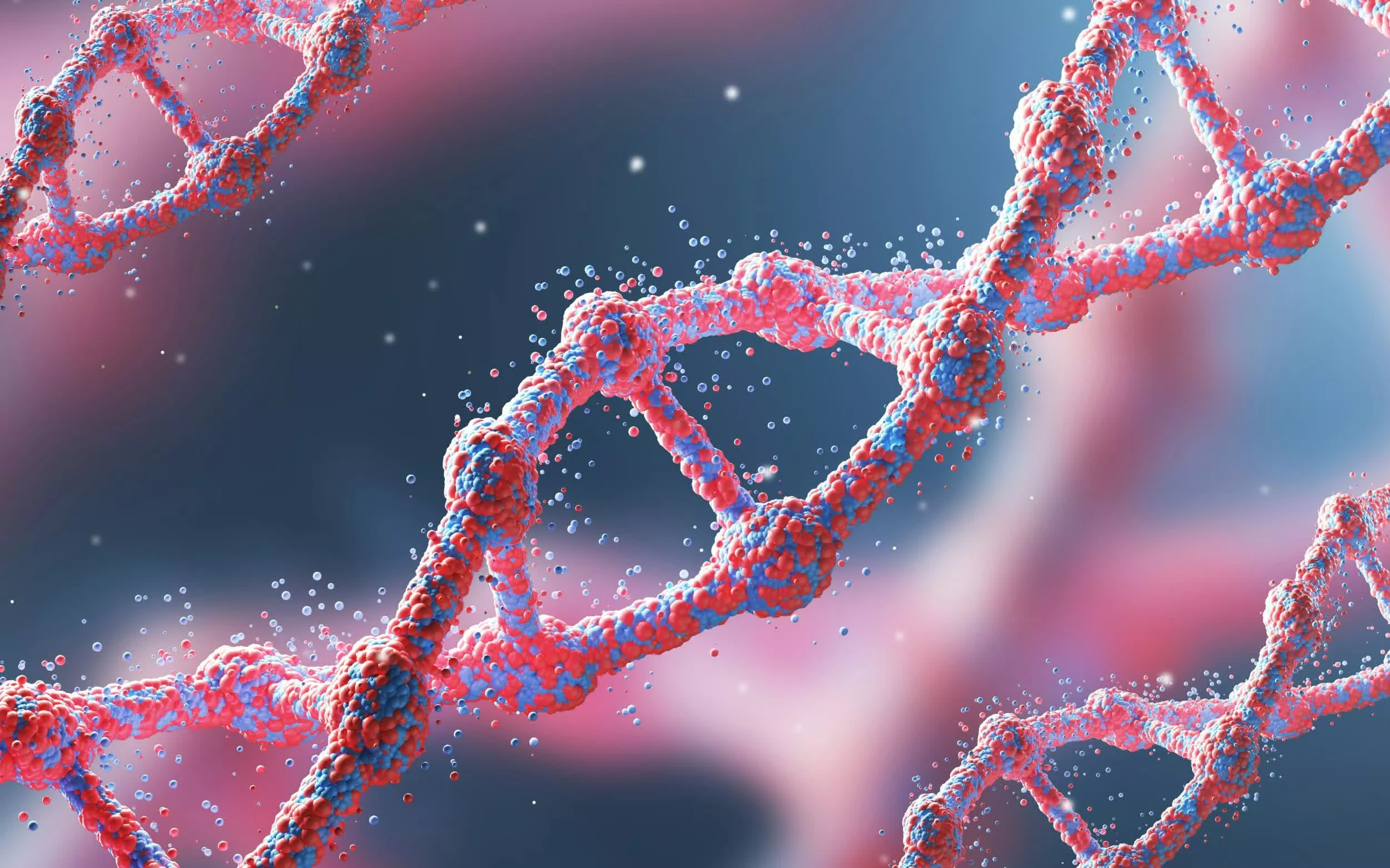
💡DNA storage eyes 1000x density for AI data hoarding at minimal power.
⚡ 30-Second TL;DR
What Changed
University of Missouri team develops rewritable DNA storage
Why It Matters
This could enable ultra-efficient storage for AI's exploding datasets, slashing data center energy demands and enabling petabyte-scale archival at low cost.
What To Do Next
Review Missouri University's DNA storage paper for AI long-term data archiving prototypes.
Key Points
- •University of Missouri team develops rewritable DNA storage
- •Transforms DNA molecules into digital file storage medium
- •Offers high density and low energy use
- •Key advance despite years from commercial viability
🧠 Deep Insight
Background and context from public sources — not the original article. 7 sources cited.
🔑 Enhanced Key Takeaways
- •Mizzou's nanopore sensor technology enables electrical signal translation during DNA passage, converting subtle voltage changes into digital data—a faster and more environmentally friendly retrieval method than existing sequencing approaches[1][3]
- •DNA storage achieves 1,000x greater storage density than SSDs and 300x higher durability than magnetic tape, with theoretical storage lifespans of centuries to millennia when using silica encapsulation or porous photonic microspheres[5][6]
- •Enzymatic DNA synthesis is emerging as the fastest-growing market segment, replacing chemical phosphoramidite methods with biological catalysts for faster, more sustainable, and decentralized DNA writing at ambient conditions[7]
- •The global DNA data storage market is projected to grow from USD 150.63 million in 2025 to USD 44.2 billion by 2034, driven by advances in molecular indexing and low-bias isothermal amplification for random access capabilities[7][5]
🛠️ Technical Deep Dive
- •Nanopore Sensor Architecture: Compact electronic device paired with molecular-scale nanopore detector; DNA passes through sensor creating subtle electrical changes that software translates into binary data[1]
- •Three-Dimensional Information Encoding: DNA stores data in three dimensions rather than on flat chips, enabling unparalleled storage density and molecular encryption through 3D DNA nanostructures[1][4]
- •Rewritability Mechanism: Gu's team developed a method allowing data stored in DNA to be erased and overwritten repeatedly, transitioning DNA from static archive to dynamic storage medium[1]
- •Molecular Indexing & Microfluidic Partitioning: Advanced techniques enable random access and repeated retrievals without data loss in cold data scenarios[5]
- •Long-term Miniaturization Goal: Target device size approximately USB thumb drive form factor, currently in development phase with no prototype demonstrations publicly released[1][3]
🔮 Future ImplicationsAI analysis grounded in cited sources
⏳ Timeline
📎 Sources (7)
Factual claims are grounded in the sources below. Forward-looking analysis is AI-generated interpretation.
- eurekalert.org — 1118361
- salvagedata.com — Future of Data Storage Technologies
- Tom's Hardware — New Dna Hdd Can Be Erased and Overwritten Repeatedly University of Missouri Researchers Aiming for Next Gen Thumb Drive Sized Storage
- news.asu.edu — 20260128 Science and Technology Dna Shapes Designed Store and Protect Information
- pubmed.ncbi.nlm.nih.gov — 41643789
- fantasticit.com — The Future of Data Storage From Dna to Holographic Solutions
- precedenceresearch.com — Dna Data Storage Market
Weekly AI Recap
Read this week's curated digest of top AI events →
👉Related Updates

AI-curated news aggregator. All content rights belong to original publishers.
Original source: cnBeta (Full RSS) ↗
This is a summary, not the original. Read the source, or get the weekly briefing.
Weekly AI briefing
One email a week. Unsubscribe anytime.