Meta repurposes DDR4 memory for DDR5 servers
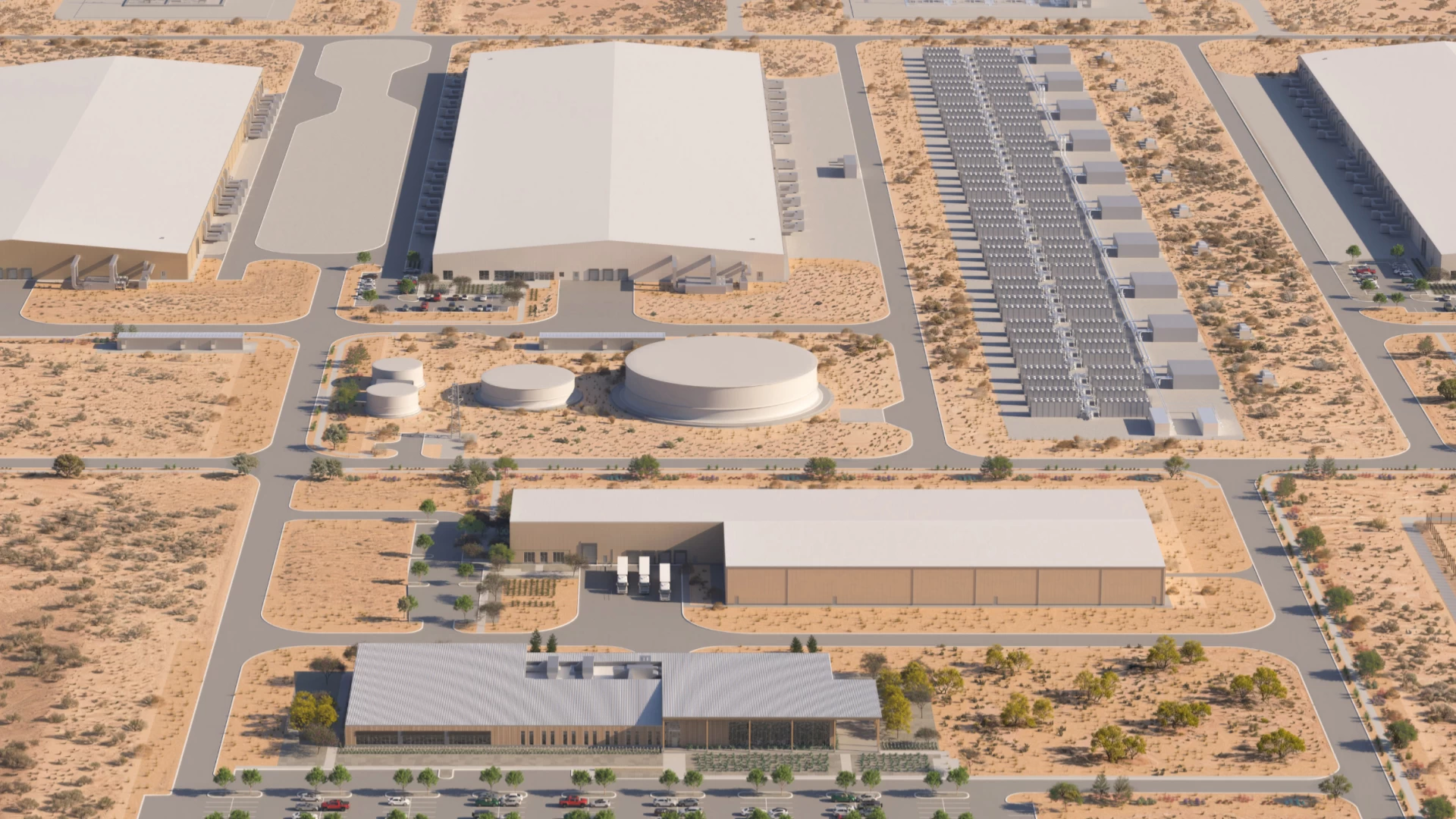
💡See how Meta's custom silicon is solving memory shortages and hardware scaling challenges in AI data centers.
⚡ 30-Second TL;DR
What Changed
Meta developed the 'Vistara' custom chip for memory interoperability.
Why It Matters
This strategy demonstrates how custom silicon can bridge hardware generations, significantly lowering the barrier to scaling high-performance computing clusters.
What To Do Next
Evaluate your data center hardware lifecycle and consider custom silicon solutions to extend the utility of legacy components.
Key Points
- •Meta developed the 'Vistara' custom chip for memory interoperability.
- •Enables the use of legacy DDR4 memory in new DDR5 server environments.
- •Addresses hardware supply chain constraints and reduces operational costs.
🧠 Deep Insight
AI-generated analysis for this event — not the original article.
🔑 Enhanced Key Takeaways
- •The Vistara platform utilizes a disaggregated memory architecture, separating memory capacity from the CPU socket to allow for independent scaling.
- •Meta's implementation leverages CXL (Compute Express Link) protocols to bridge the interface gap between DDR4 physical media and DDR5-native memory controllers.
- •The initiative is part of Meta's broader 'Open Rack' hardware ecosystem, designed to extend the lifecycle of data center assets by 2-3 years.
- •Vistara incorporates custom FPGA-based controllers to manage the protocol translation and latency overhead introduced by the DDR4-to-DDR5 conversion.
- •This strategy specifically targets memory-bound workloads, such as large-scale recommendation models, where capacity is often more critical than raw bandwidth.
🛠️ Technical Deep Dive
- Architecture: Disaggregated memory pool utilizing CXL 2.0/3.0 interconnects.
- Protocol Translation: Custom silicon logic maps DDR4 signaling to DDR5 memory controller expectations.
- Latency Management: Integrated buffer logic to mitigate the performance penalty of legacy memory speeds.
- Form Factor: Designed for OCP (Open Compute Project) compliant server chassis.
- Scalability: Supports multi-host memory sharing, allowing multiple CPU nodes to access the same DDR4 memory pool.
🔮 Future ImplicationsAI analysis grounded in cited sources
⏳ Timeline
Weekly AI Recap
Read this week's curated digest of top AI events →
👉Related Updates



AI-curated news aggregator. All content rights belong to original publishers.
Original source: cnBeta (Full RSS) ↗
This is a summary, not the original. Read the source, or get the weekly briefing.
Weekly AI briefing
One email a week. Unsubscribe anytime.