Red Hat Engineer Abandons ARM for AMD Processors
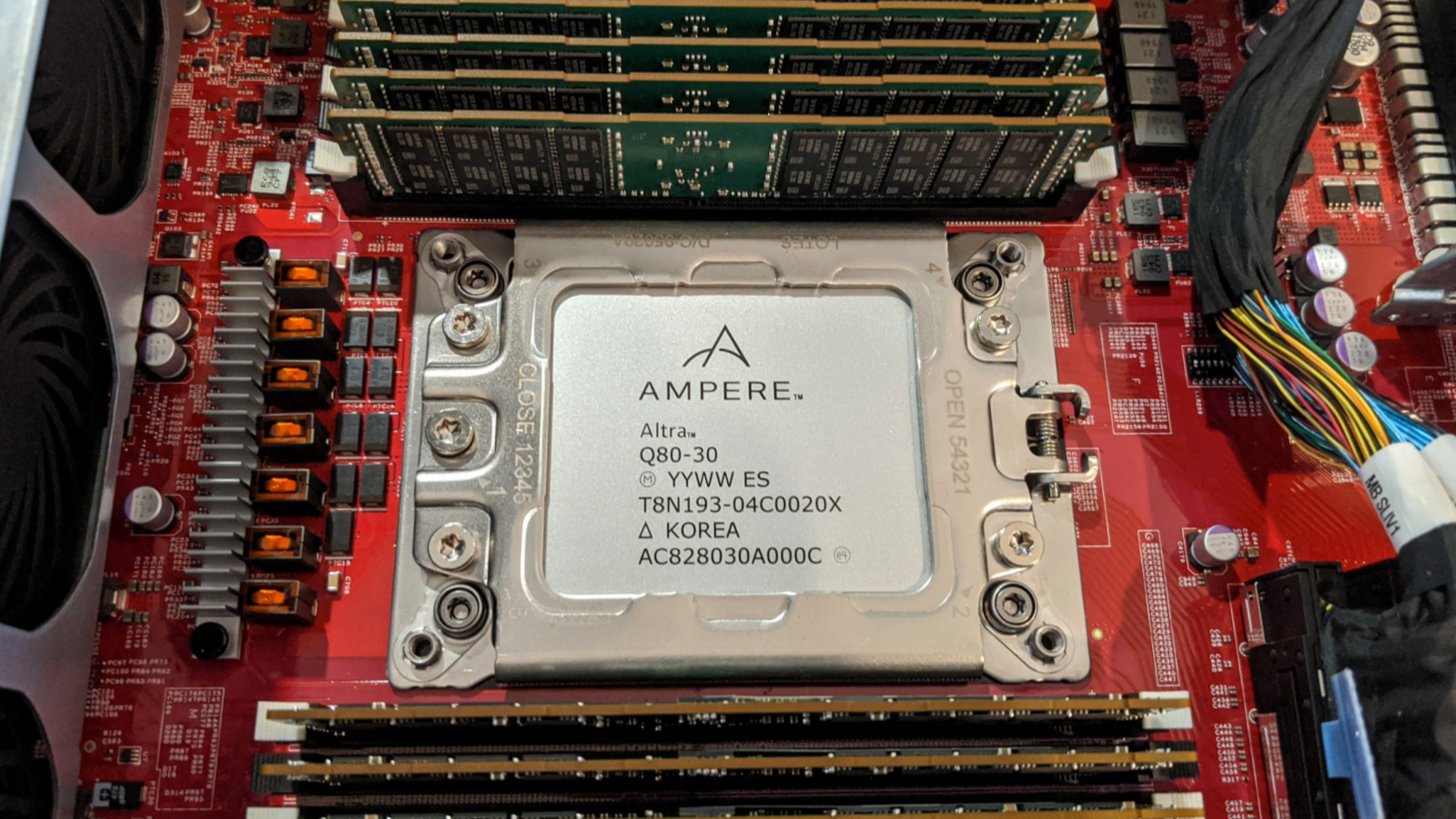
Stability issues on ARM hardware may impact your choice of infrastructure for AI development and deployment.
30-Second TL;DR
What Changed
Red Hat ARM team encountered persistent PCIe controller failures on Ampere Altra hardware.
Why It Matters
This highlights the current maturity gap between x86 and ARM architectures in high-performance computing and development environments, which may impact AI practitioners choosing infrastructure for local model training.
What To Do Next
If building local AI development rigs, verify PCIe stability and driver support for ARM-based server chips before committing to large-scale deployments.
Key Points
- •Red Hat ARM team encountered persistent PCIe controller failures on Ampere Altra hardware.
- •Performance and stability issues hindered daily Linux on Arm64 development.
- •The team switched back to x86-based AMD hardware to ensure development reliability.
Deep Insight
AI-generated analysis for this event — not the original article.
Enhanced Key Takeaways
- •The reported issues specifically involve the Ampere Altra's PCIe implementation, which has been noted in various Linux kernel mailing lists for exhibiting instability under high-load I/O scenarios.
- •Red Hat's internal development workflows rely heavily on specific PCIe-based hardware accelerators and high-speed networking cards that appear to trigger these controller resets.
- •This shift highlights a broader industry challenge where ARM-based server platforms often lack the mature firmware and PCIe root complex validation found in long-standing x86 server ecosystems.
- •The transition back to AMD EPYC processors is intended to be a temporary measure to maintain development velocity while Red Hat collaborates with silicon vendors on firmware patches.
- •Community feedback suggests that while Ampere Altra is widely used for cloud-native workloads, it faces hurdles in specialized development environments requiring complex PCIe topologies.
Competitor Analysis
- Ampere Altra (ARM)
- ARM Neoverse N1
- AMD EPYC (x86)
- Zen 4/5
- Intel Xeon (x86)
- Golden Cove/Raptor Cove
- Ampere Altra (ARM)
- PCIe Gen4 (128 lanes)
- AMD EPYC (x86)
- PCIe Gen5 (128 lanes)
- Intel Xeon (x86)
- PCIe Gen5 (80 lanes)
- Ampere Altra (ARM)
- High (ARM-native)
- AMD EPYC (x86)
- Moderate (High perf)
- Intel Xeon (x86)
- Moderate (High perf)
- Ampere Altra (ARM)
- Growing (Cloud-focused)
- AMD EPYC (x86)
- Very High (Enterprise)
- Intel Xeon (x86)
- Very High (Enterprise)
| Feature | Ampere Altra (ARM) | AMD EPYC (x86) | Intel Xeon (x86) |
|---|---|---|---|
| Architecture | ARM Neoverse N1 | Zen 4/5 | Golden Cove/Raptor Cove |
| PCIe Lanes | PCIe Gen4 (128 lanes) | PCIe Gen5 (128 lanes) | PCIe Gen5 (80 lanes) |
| Power Efficiency | High (ARM-native) | Moderate (High perf) | Moderate (High perf) |
| Ecosystem Maturity | Growing (Cloud-focused) | Very High (Enterprise) | Very High (Enterprise) |
Technical Deep Dive
- The Ampere Altra utilizes a custom PCIe controller implementation that has historically struggled with AER (Advanced Error Reporting) handling in mainline Linux kernels.
- PCIe controller failures are often linked to TLP (Transaction Layer Packet) timeouts when interfacing with specific high-bandwidth NICs or NVMe controllers.
- AMD EPYC platforms utilize a mature, standardized PCIe root complex that adheres strictly to PCI-SIG specifications, reducing the likelihood of firmware-level bus resets.
- Red Hat's development environment requires consistent IOMMU (Input-Output Memory Management Unit) performance, which has shown variability on early ARM server silicon compared to mature x86 implementations.
Future ImplicationsAI analysis grounded in cited sources
Timeline
- 2020-09Ampere Computing officially launches the Altra processor family.
- 2021-06Red Hat announces expanded support for ARM64 architecture in RHEL.
- 2023-03Initial reports of PCIe stability issues with ARM-based server hardware appear in Linux kernel mailing lists.
- 2025-11Red Hat internal teams begin documenting persistent hardware failures on ARM development clusters.
- 2026-05Red Hat officially initiates the migration of primary development workloads back to AMD EPYC hardware.
Weekly AI Recap
Read this week's curated digest of top AI events →
Related Updates


AI-curated news aggregator. All content rights belong to original publishers.
Original source: cnBeta (Full RSS) ↗
This is a summary, not the original. Read the source, or get the weekly briefing.
The weekly digest
One email a week. Unsubscribe anytime.