Raspberry Pi OS Upgrades to Linux 6.18 LTS Kernel
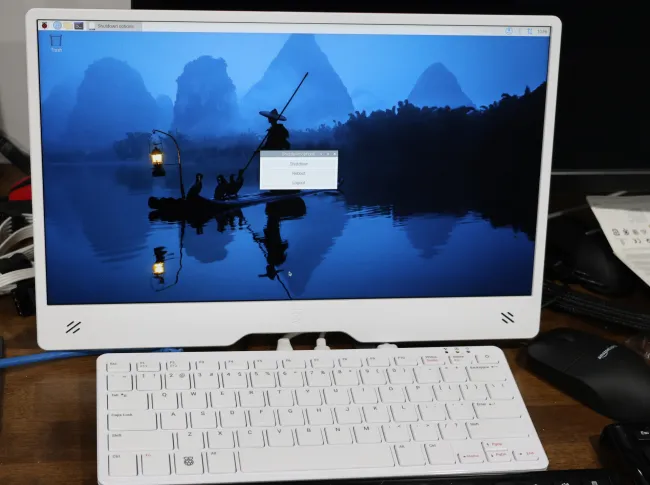
💡Essential kernel and compositor updates for developers building edge AI and robotics on Raspberry Pi hardware.
⚡ 30-Second TL;DR
What Changed
Kernel upgraded to Linux 6.18.34 LTS
Why It Matters
The move to a newer LTS kernel ensures better hardware compatibility and security for edge computing and AI projects running on Raspberry Pi.
What To Do Next
Update your Raspberry Pi OS to the latest version to test your edge AI inference models against the new kernel and compositor.
Key Points
- •Kernel upgraded to Linux 6.18.34 LTS
- •Integration of the new LabWC compositor
- •First major OS update since April
🧠 Deep Insight
AI-generated analysis for this event — not the original article.
🔑 Enhanced Key Takeaways
- •The transition to LabWC marks the official deprecation of the legacy Openbox window manager in Raspberry Pi OS, signaling a full shift to Wayland-based display protocols.
- •Linux 6.18 LTS introduces enhanced support for the Raspberry Pi 5's PCIe Gen 3 interface, enabling better stability for high-speed NVMe storage expansion.
- •This kernel update includes specific optimizations for the RP1 I/O controller, reducing interrupt latency for GPIO-intensive applications.
- •The update package includes a new firmware stack that improves power management efficiency for the Raspberry Pi 5, specifically targeting idle power consumption.
- •The LabWC compositor implementation utilizes wlroots, allowing for better compatibility with modern Wayland-native applications while maintaining backward compatibility for X11 apps via XWayland.
📊 Competitor Analysis▸ Show
| Feature | Raspberry Pi OS (6.18) | Ubuntu Desktop (24.04 LTS) | Armbian |
|---|---|---|---|
| Display Server | Wayland (LabWC) | Wayland (Mutter) | Variable (X11/Wayland) |
| Kernel Base | Linux 6.18 LTS | Linux 6.8+ | Mainline/Vendor Specific |
| Target Hardware | Raspberry Pi Exclusive | General ARM/x86 | Broad ARM SBC Support |
| Performance | High (Optimized for Pi) | Moderate (General Purpose) | High (Minimalist) |
🛠️ Technical Deep Dive
- LabWC is a Wayland compositor that implements the wlroots library, designed to be a lightweight, stacking window manager similar to Openbox.
- The 6.18 kernel integration includes updated drivers for the VC6 (VideoCore VI) GPU, improving hardware-accelerated video decoding for AV1 and HEVC formats.
- XWayland is configured by default to handle legacy X11 applications, ensuring that older desktop software remains functional within the new Wayland environment.
- The kernel update incorporates improved thermal throttling algorithms that allow for more granular control over CPU frequency scaling during sustained high-load tasks.
🔮 Future ImplicationsAI analysis grounded in cited sources
⏳ Timeline
Weekly AI Recap
Read this week's curated digest of top AI events →
👉Related Updates

AI-curated news aggregator. All content rights belong to original publishers.
Original source: cnBeta (Full RSS) ↗
This is a summary, not the original. Read the source, or get the weekly briefing.
Weekly AI briefing
One email a week. Unsubscribe anytime.