Public opposition to AI data centers exceeds nuclear plants
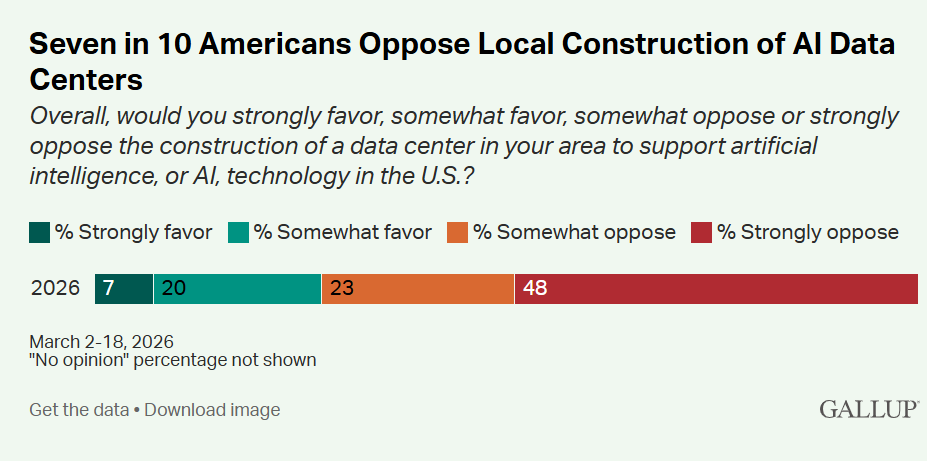
💡Infrastructure scaling is hitting a social wall; learn why AI data centers are facing more backlash than nuclear plants.
⚡ 30-Second TL;DR
What Changed
71% of Americans oppose AI data centers in their neighborhoods
Why It Matters
This social resistance could lead to stricter zoning laws, longer permitting processes, and increased operational costs for companies scaling AI compute capacity.
What To Do Next
When planning new data center deployments, prioritize community engagement strategies and sustainable energy transparency to mitigate local opposition.
Key Points
- •71% of Americans oppose AI data centers in their neighborhoods
- •Public sentiment is more negative toward AI data centers than nuclear reactors
- •Rising social resistance poses a significant hurdle for infrastructure scaling
🧠 Deep Insight
Web-grounded analysis with 31 cited sources.
🔑 Enhanced Key Takeaways
- •Public opposition is primarily fueled by environmental concerns, including excessive water and energy consumption, air and noise pollution, and the conversion of agricultural land.
- •The backlash has prompted legislative action, with calls for and implementation of moratoriums and bans on new AI data center construction at local and state levels, such as Senator Bernie Sanders' proposed Artificial Intelligence Data Center Moratorium Act and Maine's statewide moratorium.
- •Despite developers' promises of economic benefits like tax revenue and job creation, communities often find these advantages are outweighed by increased utility costs, strain on public services, and the limited number of permanent jobs offered by data centers.
- •A lack of transparency, often involving non-disclosure agreements between developers and local officials, exacerbates public mistrust by limiting access to crucial information about project scope and environmental impact.
- •The surge in AI-driven data center demand has transformed development from a routine process into a highly contested political issue, making community alignment a critical factor for project feasibility and timelines.
🛠️ Technical Deep Dive
- Power Consumption: AI-focused "hyperscale" data centers can consume electricity equivalent to 100,000 homes or more, with some planned facilities projected to draw power exceeding entire cities.
- Water Consumption: Large data centers require 1 to 5 million gallons of water daily for cooling, comparable to the usage of a small town (10,000-50,000 residents), with demand potentially tripling in warmer months.
- Cooling Systems: Cooling accounts for nearly 40% of a data center's power usage, and while more efficient closed-loop or immersion cooling technologies exist, many facilities still rely on water-intensive evaporative cooling.
- Noise Pollution: Operations generate significant noise from rooftop cooling units, industrial-grade diesel backup generators, and on-site natural gas turbines, leading to complaints about both audible disturbances and "inaudible but felt" infrasound.
- Land Footprint: Modern AI data centers can sprawl over hundreds to thousands of acres, converting agricultural or undeveloped land into impermeable surfaces and necessitating new infrastructure like transmission lines.
- Air Quality Impact: Many data centers contribute to air pollution through reliance on fossil fuel-powered grids and the use of diesel backup generators, which can emit significantly higher levels of nitrous oxides than natural gas plants.
🔮 Future ImplicationsAI analysis grounded in cited sources
⏳ Timeline
📎 Sources (31)
Factual claims are grounded in the sources below. Forward-looking analysis is AI-generated interpretation.
- Google Search Source
- Google Search Source
- Google Search Source
- Google Search Source
- Google Search Source
- Google Search Source
- Google Search Source
- Google Search Source
- Google Search Source
- Google Search Source
- Google Search Source
- Google Search Source
- Google Search Source
- Google Search Source
- Google Search Source
- Google Search Source
- Google Search Source
- Google Search Source
- Google Search Source
- Google Search Source
- Google Search Source
- Google Search Source
- Google Search Source
- Google Search Source
- Google Search Source
- Google Search Source
- Google Search Source
- Google Search Source
- Google Search Source
- Google Search Source
- Google Search Source
Weekly AI Recap
Read this week's curated digest of top AI events →
👉Related Updates
Same topic
Explore #public-opinion
Same product
More on ai-data-centers
Same source
Latest from cnBeta (Full RSS)
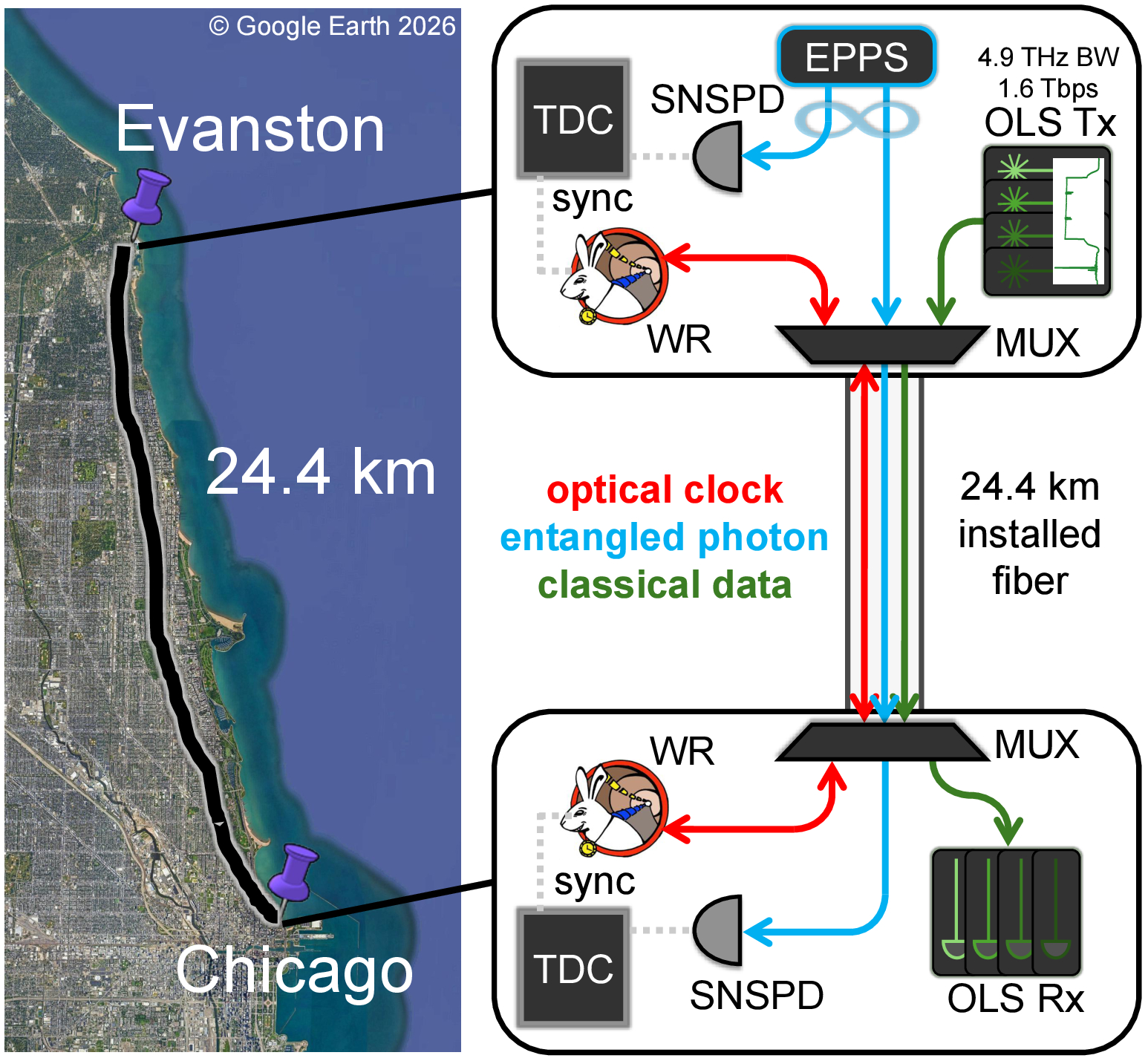
Quantum Photons Transmitted Over Chicago Commercial Fiber
Non-Abelian Anyons Enable Universal Quantum Computing

Microsoft plans to transform Minecraft into a global creator platform
SpaceX Rocket Debris to Impact Moon
AI-curated news aggregator. All content rights belong to original publishers.
Original source: cnBeta (Full RSS) ↗