Printed Neurons Interact with Real Brain Cells
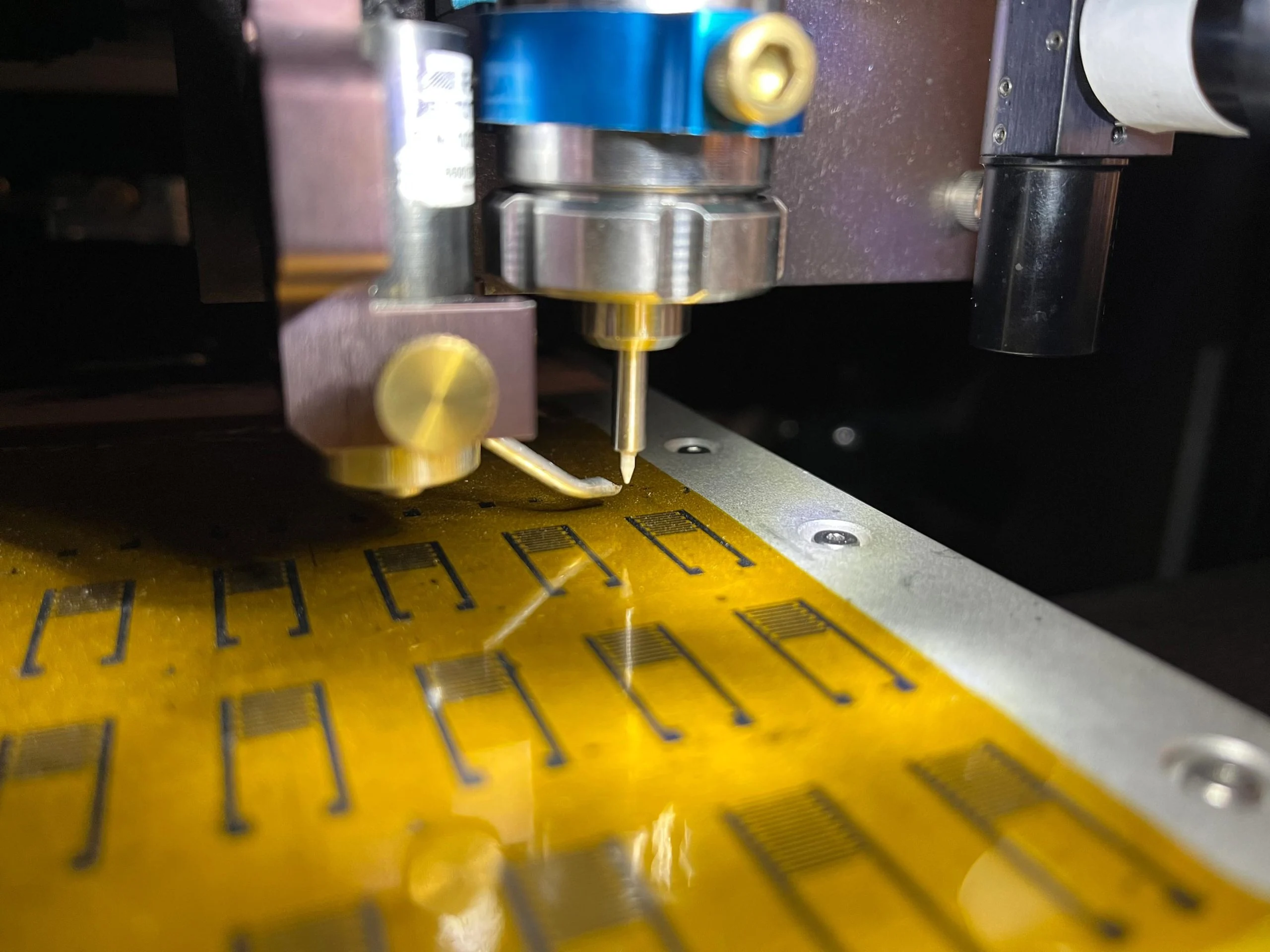
💡Breakthrough in bio-electronic neural interfaces for neuromorphic AI hardware
⚡ 30-Second TL;DR
What Changed
Northwestern University team created printable artificial neurons
Why It Matters
This advances brain-machine interfaces, potentially enabling new neuromorphic computing and medical implants for AI-driven neurotech.
What To Do Next
Prototype 3D-printed neural interfaces using flexible electronics for neuromorphic AI hardware experiments.
Key Points
- •Northwestern University team created printable artificial neurons
- •Devices are soft, flexible, and low manufacturing cost
- •Produce electrical signals highly similar to live neurons
- •Successfully stimulated real neurons in mouse brain slice tests
🧠 Deep Insight
AI-generated analysis for this event.
🔑 Enhanced Key Takeaways
- •The artificial neurons utilize a conductive polymer-based ink, specifically PEDOT:PSS, which allows for the necessary electrical conductivity while maintaining the mechanical softness required for biological integration.
- •The research team employed a specialized extrusion-based 3D printing technique to create these structures, enabling the precise deposition of the conductive material onto flexible substrates.
- •The devices operate at low power levels, which is critical for minimizing heat generation and potential tissue damage when implanted in living biological environments.
🛠️ Technical Deep Dive
- •Material Composition: Utilizes PEDOT:PSS (poly(3,4-ethylenedioxythiophene) polystyrene sulfonate) as the primary conductive ink component.
- •Fabrication Method: Extrusion-based 3D printing, allowing for high-resolution deposition of soft, flexible neural interfaces.
- •Signal Characteristics: The devices are engineered to produce biphasic electrical pulses that mimic the action potential waveforms of endogenous neurons.
- •Interface Mechanism: Employs capacitive coupling to stimulate target neurons, reducing the risk of electrochemical degradation compared to traditional metallic electrodes.
🔮 Future ImplicationsAI analysis grounded in cited sources
⏳ Timeline
Weekly AI Recap
Read this week's curated digest of top AI events →
👉Related Updates
Same topic
Explore #3d-printing
Same product
More on printed-artificial-neurons
Same source
Latest from cnBeta (Full RSS)

PACA: Open-source tool for ancient fossil coordinate mapping
First atmosphere detected on habitable-zone exoplanet

Samsung Secures $200B Broadcom AI Infrastructure Deal

How AMD's 2006 ATI Acquisition Built Today's AI Empire
AI-curated news aggregator. All content rights belong to original publishers.
Original source: cnBeta (Full RSS) ↗