Pope Leo to issue encyclical on AI and human dignity
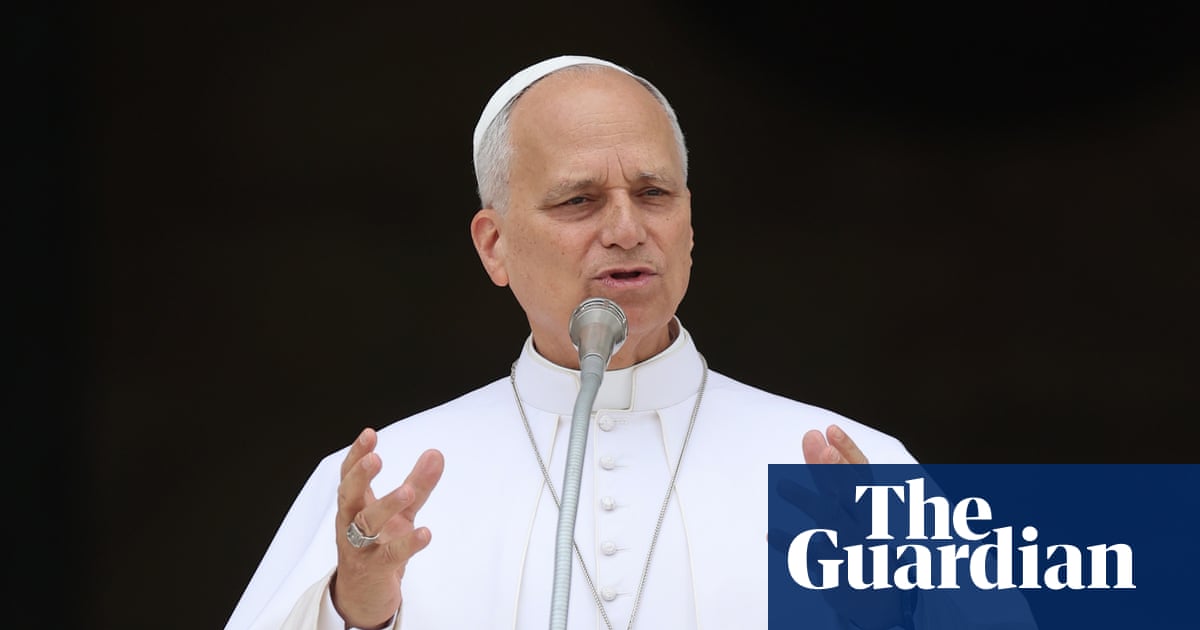
A rare collaboration between the Vatican and Anthropic's co-founder on the future of AI ethics and human rights.
30-Second TL;DR
What Changed
Pope Leo to release a formal encyclical on AI ethics and human dignity.
Why It Matters
This signals an increasing alignment between global religious leadership and AI safety researchers regarding ethical governance. It may influence future AI policy frameworks and public perception of corporate responsibility.
What To Do Next
Monitor the Vatican's official release for ethical guidelines that may shape future AI safety compliance standards.
Key Points
- •Pope Leo to release a formal encyclical on AI ethics and human dignity.
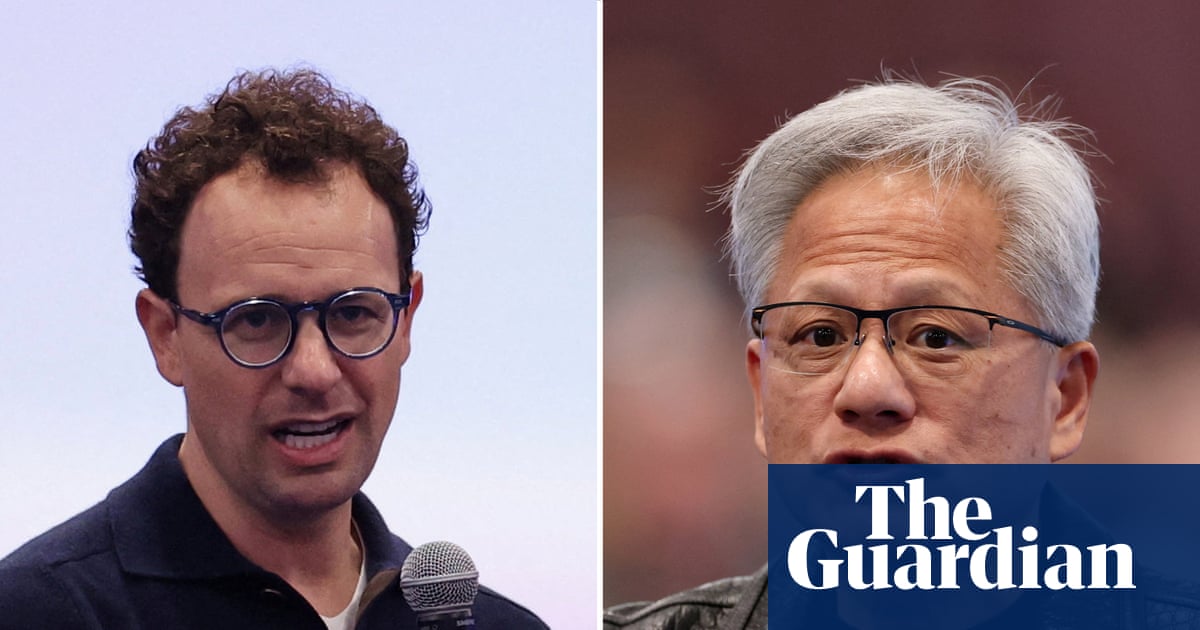
- •Anthropic co-founder Christopher Olah will participate in the Vatican presentation.
- •The document focuses on the intersection of rapid AI advancement and human rights.
Deep Insight
Background and context from public sources — not the original article. 17 sources cited.
Enhanced Key Takeaways
- •The encyclical, titled "Magnifica Humanitas" ("Magnificent Humanity"), was signed by Pope Leo XIV on May 15, 2026, coinciding with the 135th anniversary of Pope Leo XIII's landmark encyclical "Rerum Novarum," which addressed the social challenges of the Industrial Revolution.
- •Pope Leo XIV, an American-born pontiff, will personally present the encyclical on May 25, 2026, a departure from typical papal protocol, underscoring the Vatican's commitment to establishing itself as a leading moral authority in AI ethics.
- •The document is anticipated to delve into the implications of AI on workers' rights and its application in warfare, advocating for AI to serve as a complement to human intelligence rather than a replacement.
- •Just prior to the encyclical's announcement, Pope Leo XIV approved the establishment of an Interdicasterial Commission on Artificial Intelligence on May 12, 2026, a new Vatican body tasked with coordinating the Church's response to the ethical, moral, and social challenges posed by rapidly advancing AI technology.
- •Christopher Olah's involvement is particularly noteworthy as Anthropic, the company he co-founded, is known for its "safety-first" approach to AI development, including its "Constitutional AI" framework, and has previously faced a public dispute with the Trump administration over the military use of its AI models.
Technical Deep Dive
- Constitutional AI (CAI): Anthropic's proprietary method for training AI systems to be helpful, honest, and harmless, minimizing reliance on extensive human feedback for safety alignment.
- It operates by establishing a 'constitution' – a set of natural language principles and values – that guides the AI model's behavior and self-improvement.
- The principles draw inspiration from diverse sources, including Apple's Terms of Service and the UN Declaration on Human Rights.
- The training process involves two main stages:
- Supervised Learning Stage: The AI generates responses, then critiques and revises its own outputs based on the constitutional principles.
- Reinforcement Learning from AI Feedback (RLAIF): Instead of human feedback, the AI itself makes preference judgments on different responses according to the constitutional values, which is then used to train a reward model, offering a more scalable approach than traditional Reinforcement Learning from Human Feedback (RLHF).
- This approach aims to align large language models with human values, enabling them to provide harmless assistance and even explain objections to potentially harmful queries.
- Mechanistic Interpretability: Christopher Olah's primary research focus, which involves reverse-engineering artificial neural networks to understand their internal workings in human-understandable terms.
- The goal is to identify and map the internal structures of neural networks, understanding how artificial 'neurons' collaborate to achieve specific objectives and influence the AI's final outputs.
- Recent breakthroughs include the ability to identify groups of neurons within models that correspond to specific concepts, such as bias detection or recognizing scam emails, allowing for potential manipulation of model behavior to enhance safety.
- This research is considered crucial for developing auditable and accountable AI systems, particularly for deployments in sensitive areas like healthcare, criminal justice, and military applications.
Future ImplicationsAI analysis grounded in cited sources
Timeline
- 2020-02The Pontifical Academy for Life releases the 'Rome Call for AI Ethics,' a pledge for ethical AI development signed by major tech companies.
- 2021-01Anthropic is founded by former OpenAI researchers, including Christopher Olah, with a focus on safe and ethical AI development.
- 2022-12Anthropic publishes the paper 'Constitutional AI: Harmlessness from AI Feedback,' detailing its novel approach to AI alignment.
- 2024-05Pope Francis addresses the G7 summit, cautioning against the misuse of AI in warfare and advocating for international regulation.
- 2025-01The Vatican issues 'Antiqua et Nova,' a doctrinal note exploring the relationship between artificial intelligence and human intelligence.
- 2026-05-12Pope Leo XIV formally approves the creation of a new Interdicasterial Commission on Artificial Intelligence within the Vatican.
Sources (17)
Factual claims are grounded in the sources below. Forward-looking analysis is AI-generated interpretation.
Weekly AI Recap
Read this week's curated digest of top AI events →
Related Updates


AI-curated news aggregator. All content rights belong to original publishers.
Original source: The Guardian Technology ↗
This is a summary, not the original. Read the source, or get the weekly briefing.
The weekly digest
One email a week. Unsubscribe anytime.