Meta Ordered to Remove UK Deepfakes
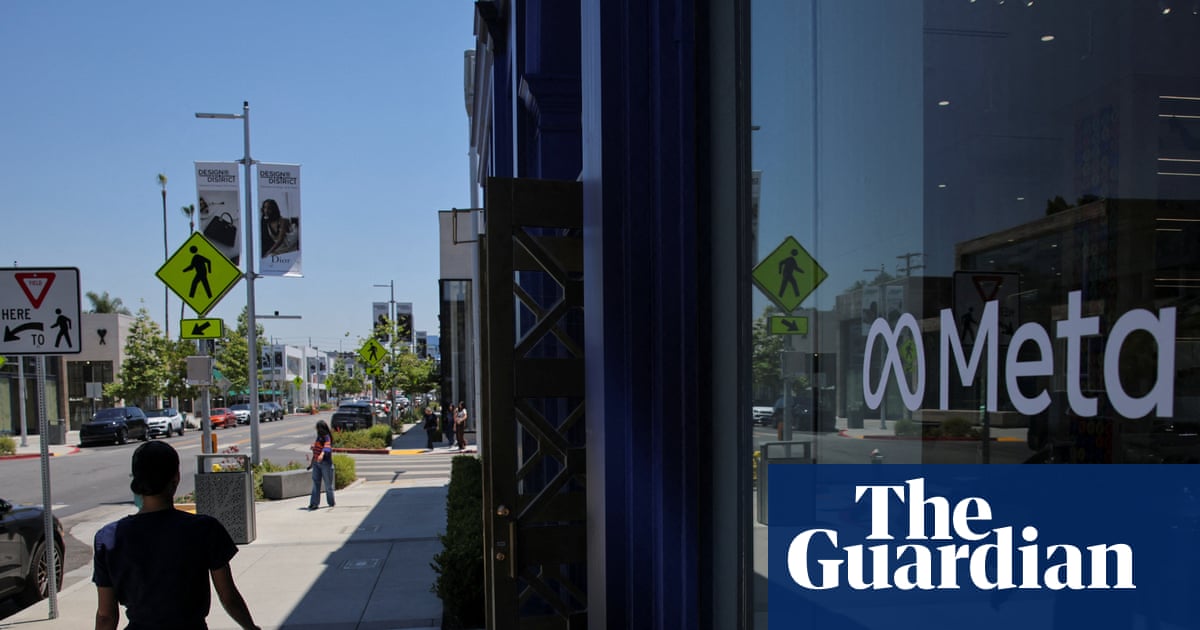
The ruling shows how deepfake moderation failures can become platform-level governance risks.
30-Second TL;DR
What Changed
The board ordered removal of two UK deepfake videos
Why It Matters
The ruling raises the compliance and reputational risks of leaving political or harmful AI-generated content online. Platforms may need clearer deepfake policies and faster escalation processes.
What To Do Next
Add political-persona deepfake tests to your content safety evaluation suite and verify that takedown escalation paths work end to end.
Key Points
- •The board ordered removal of two UK deepfake videos
- •One video falsely depicted a Labour councillor making inflammatory comments
- •The ruling criticized Meta’s safeguards for AI-generated imagery
Deep Insight
Background and context from public sources — not the original article. 5 sources cited.
Enhanced Key Takeaways
- •Meta's automated reporting systems failed to route user flags to human review, rejecting two separate user appeals and initially defending the Scottish councillor video under a satire exemption.
- •The Oversight Board ordered the takedown under Meta's Hateful Conduct policy rather than standard harassment rules because the synthetic speech falsely linked refugees as an entire protected class to sexual violence.
- •A second overturned case involved an AI-manipulated video degrading a female Muslim campaign volunteer, exemplifying an acknowledged broader trend of weaponized deepfakes designed to intimidate women out of civic engagement.
- •The board accompanied its binding removal decision with nine policy recommendations, urging Meta to implement clear 'High Risk AI' badges and overhauled appeal routing for generative media.
- •The ruling increases platform compliance risk under the UK Online Safety Act, which mandates automated detection and hash-matching for deceptive synthetic content under threat of penalties up to 10% of global annual turnover.
Technical Deep Dive
- Lip-Sync Desynchronization Artifacts: The synthetic video exhibited clear multimodal discrepancies, specifically temporal desynchronization between the synthetic audio track and the subject's facial and phoneme movements, which Meta's automated perceptual filters failed to flag.
- Automated Routing Architecture Failure: Meta's automated moderation triage pipeline rejected multiple user violation reports without escalating the flagged synthetic content to human reviewers or triggering the automated AI-labeling workflow.
- Content Classification Deficiencies: Meta's internal classification algorithms miscategorized the deepfake speech as non-violative satire, exposing a failure in policy-mapping models to parse synthetic hate speech directed toward protected classes.
Future ImplicationsAI analysis grounded in cited sources
Timeline
- 2025-11Deepfake video depicting a Scottish Labour councillor is posted to Facebook alongside authentic protest imagery
- 2026-09Meta's Oversight Board overturns previous non-removal decisions, mandating the deletion of two UK deepfakes and issuing nine policy directives
Sources (5)
Factual claims are grounded in the sources below. Forward-looking analysis is AI-generated interpretation.
Weekly AI Recap
Read this week's curated digest of top AI events →
Related Updates


AI-curated news aggregator. All content rights belong to original publishers.
Original source: The Guardian Technology ↗
This is a summary, not the original. Read the source, or get the weekly briefing.
The weekly digest
One email a week. Unsubscribe anytime.