๐Ÿ‡จ๐Ÿ‡ณFreshcollected in 82m

Oropouche Virus Outbreak Affects Millions in Latin America
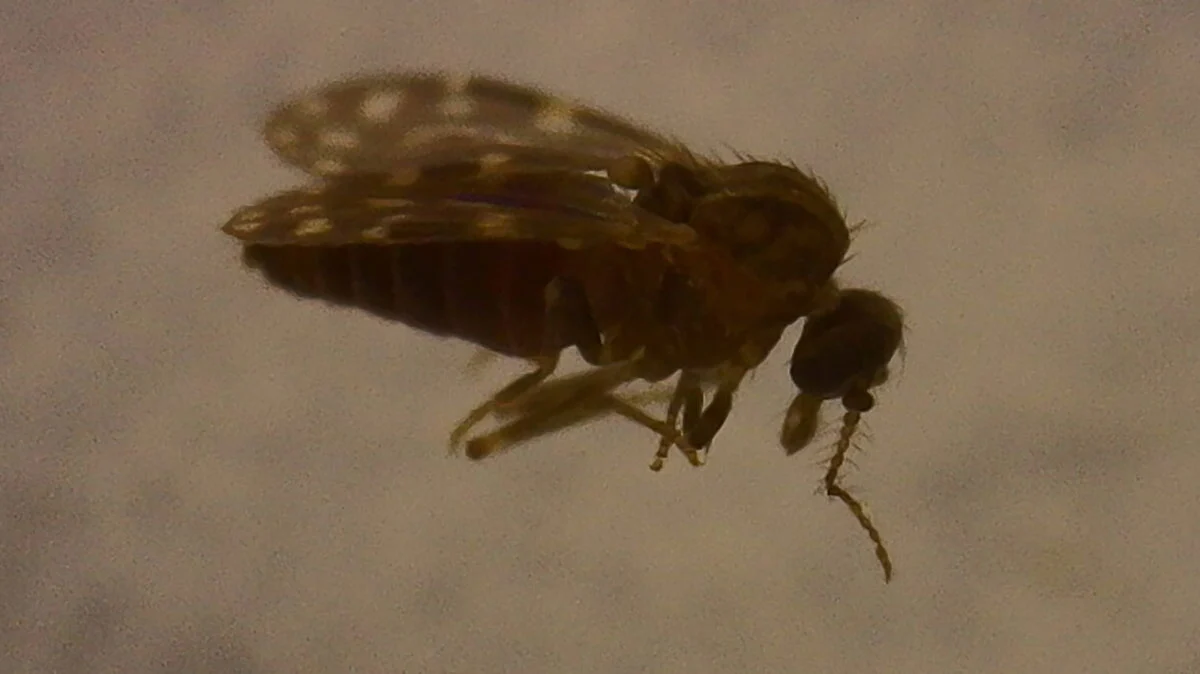
Oropouche Virus Outbreak Affects Millions in Latin America
PostLinkedIn
๐Ÿ‡จ๐Ÿ‡ณRead original on cnBeta (Full RSS)
#epidemiology#data-modeling#public-healthoropouche-virus-surveillance

๐Ÿ’กSee how epidemiological data modeling is critical for managing large-scale viral outbreaks.

โšก 30-Second TL;DR

What Changed

Estimated 9.4 million infections across Latin America

Why It Matters

The surge in viral data highlights the urgent need for AI-driven epidemiological modeling to predict transmission patterns and manage public health responses.

What To Do Next

Analyze public health datasets using time-series forecasting models to identify potential outbreak patterns in your region.

Who should care:Researchers & Academics

๐Ÿง  Deep Insight

AI-generated analysis for this event.

๐Ÿ”‘ Enhanced Key Takeaways

  • โ€ขThe Oropouche virus is primarily transmitted to humans through the bite of the Culicoides paraensis midge, commonly known as the 'no-see-um' or 'pium' fly.
  • โ€ขRecent clinical observations have identified potential vertical transmission, with reports of fetal death and congenital malformations in newborns linked to maternal infection.
  • โ€ขThe virus belongs to the Orthobunyavirus genus within the Peribunyaviridae family, characterized by a tripartite single-stranded RNA genome.
  • โ€ขSymptoms often mimic other arboviral diseases like Dengue, Zika, and Chikungunya, leading to significant diagnostic challenges and frequent misdiagnosis in clinical settings.
  • โ€ขGenomic surveillance indicates that the virus has undergone rapid evolutionary adaptation, facilitating its expansion from sylvatic cycles in the Amazon into densely populated urban environments.

๐Ÿ› ๏ธ Technical Deep Dive

  • Genome Structure: The virus possesses a tripartite negative-sense single-stranded RNA genome consisting of Large (L), Medium (M), and Small (S) segments.
  • Replication Mechanism: It replicates in the cytoplasm of host cells, utilizing the L segment to encode the RNA-dependent RNA polymerase.
  • Viral Proteins: The M segment encodes the Gn and Gc glycoproteins, which are critical for viral entry and are the primary targets for neutralizing antibodies.
  • Diagnostic Protocols: Detection is primarily achieved through RT-PCR (Reverse Transcription Polymerase Chain Reaction) targeting the S segment, which is highly conserved across different strains.

๐Ÿ”ฎ Future ImplicationsAI analysis grounded in cited sources

Increased integration of Oropouche testing into standard arbovirus diagnostic panels.
The high rate of misdiagnosis with Dengue and Zika is forcing public health agencies to adopt multiplex PCR assays to differentiate Oropouche in endemic regions.
Development of specialized vector control programs targeting Culicoides midges.
Current mosquito-focused control strategies are ineffective against midges, necessitating new chemical and environmental interventions to curb transmission.

โณ Timeline

1955-12
First isolation of Oropouche virus from a febrile forest worker in Trinidad and Tobago.
1960-01
Initial identification of the virus in the Amazon region of Brazil.
2024-02
Significant surge in cases reported in Brazil, marking the beginning of the current widespread outbreak.
2024-07
PAHO issues an epidemiological alert regarding the expansion of Oropouche virus in the Americas.
2025-05
Confirmation of the first cases of vertical transmission and associated neonatal complications.
๐Ÿ“ฐ

Weekly AI Recap

Read this week's curated digest of top AI events โ†’

๐Ÿ‘‰Related Updates

AI-curated news aggregator. All content rights belong to original publishers.
Original source: cnBeta (Full RSS) โ†—