Nvidia Explores Partnership with Rebellions
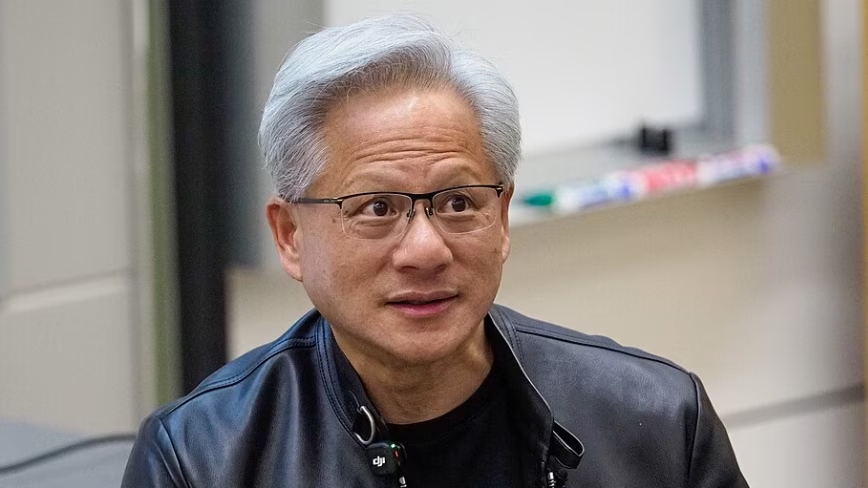
💡Nvidia may gain another inference-chip ally—or acquire a Korean challenger to its GPU dominance.
⚡ 30-Second TL;DR
What Changed
Nvidia is discussing multiple possible forms of cooperation with Rebellions.
Why It Matters
A closer Nvidia–Rebellions relationship could strengthen Nvidia’s position in inference hardware and expand access to Korean semiconductor expertise. It could also intensify competition among inference-chip startups seeking strategic capital, distribution, or ecosystem support.
What To Do Next
Benchmark your inference stack on available Rebellions hardware or SDKs before committing to a single-vendor accelerator roadmap.
Key Points
- •Nvidia is discussing multiple possible forms of cooperation with Rebellions.
- •The options reportedly include a technical partnership, investment, or acquisition.
- •Nvidia CEO Jensen Huang met Rebellions co-founder and CEO Sunghyun Park in Santa Clara.
- •The discussions are preliminary and have not resulted in a confirmed transaction.
🧠 Deep Insight
Background and context from public sources — not the original article. 11 sources cited.
🔑 Enhanced Key Takeaways
- •Rebellions has secured approximately $850 million in total funding, backed by major industry players including SK Hynix, Samsung Ventures, and Arm Holdings.
- •The company reached a valuation of roughly $2.3 billion, reflecting its status as a leading South Korean AI semiconductor unicorn.
- •In June 2026, Rebellions expanded its capabilities by acquiring SqueezeBits, a startup focused on AI inference optimization, to create a vertically integrated hardware-software stack.
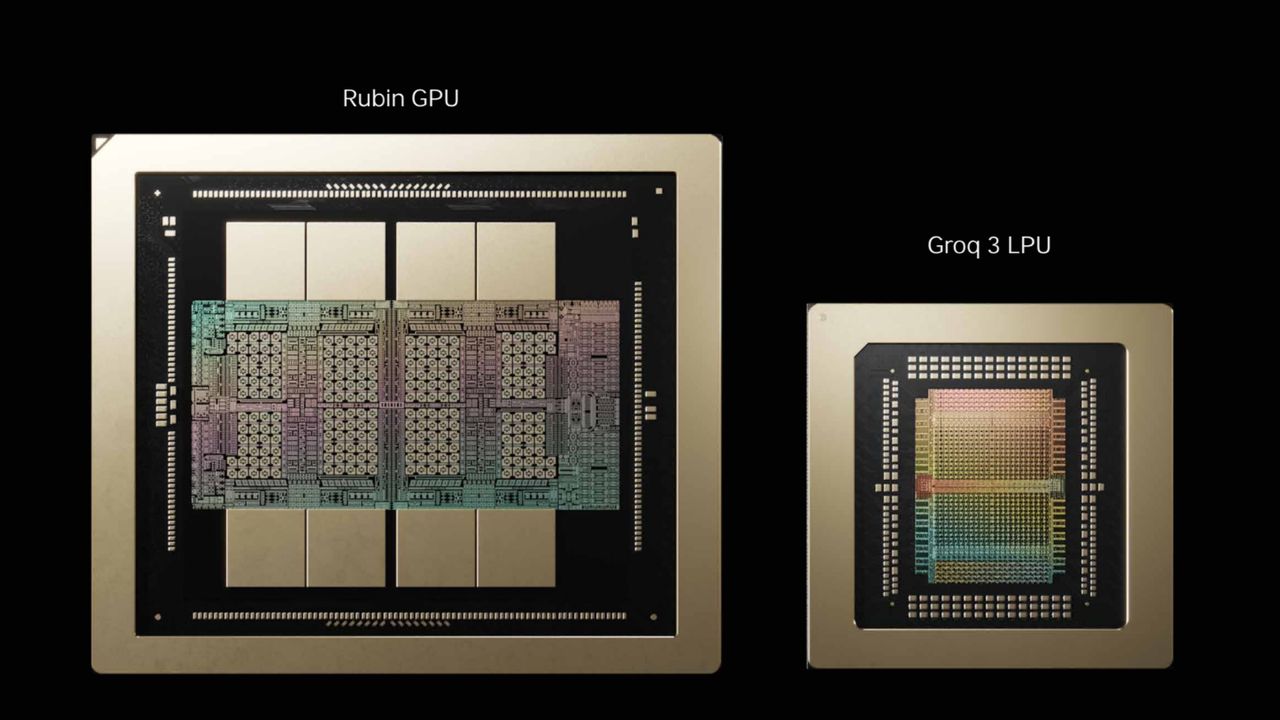
- •Nvidia's interest in Rebellions mirrors its 2025 strategic shift toward licensing and partnerships, similar to its previous engagement with Groq, rather than relying exclusively on internal development.
- •Any potential acquisition of Rebellions would likely trigger intense regulatory scrutiny from both the U.S. Department of Justice and South Korean authorities due to the strategic importance of the domestic semiconductor sector.
📊 Competitor Analysis▸ Show
| Feature | Rebellions (Rebel) | Nvidia (Blackwell/H100) | Groq (LPU) |
|---|---|---|---|
| Primary Focus | AI Inference (NPU) | Training & Inference (GPU) | Low-latency Inference (LPU) |
| Architecture | Custom NPU | Parallel GPU | Deterministic Tensor Streaming |
| Market Position | Specialized Niche | Industry Standard | High-speed Inference |
| Pricing | Cost-optimized | Premium | Performance-based |
🛠️ Technical Deep Dive
- Rebellions designs specialized Neural Processing Units (NPUs) specifically architected for data center AI inference workloads.
- The company utilizes a hardware-software co-design approach, recently bolstered by the integration of SqueezeBits' model compression and optimization algorithms.
- Their hardware is designed to handle high-throughput, low-latency requirements for Large Language Models (LLMs) and generative AI applications.
- The architecture focuses on energy efficiency and memory bandwidth optimization to compete with general-purpose GPU inference performance.
🔮 Future ImplicationsAI analysis grounded in cited sources
⏳ Timeline
📎 Sources (11)
Factual claims are grounded in the sources below. Forward-looking analysis is AI-generated interpretation.
📰 Event Coverage
Weekly AI Recap
Read this week's curated digest of top AI events →
👉Related Updates

AI-curated news aggregator. All content rights belong to original publishers.
Original source: The Next Web (TNW) ↗
This is a summary, not the original. Read the source, or get the weekly briefing.
Weekly AI briefing
One email a week. Unsubscribe anytime.