China’s Telecom Giants Build AI Token Factories
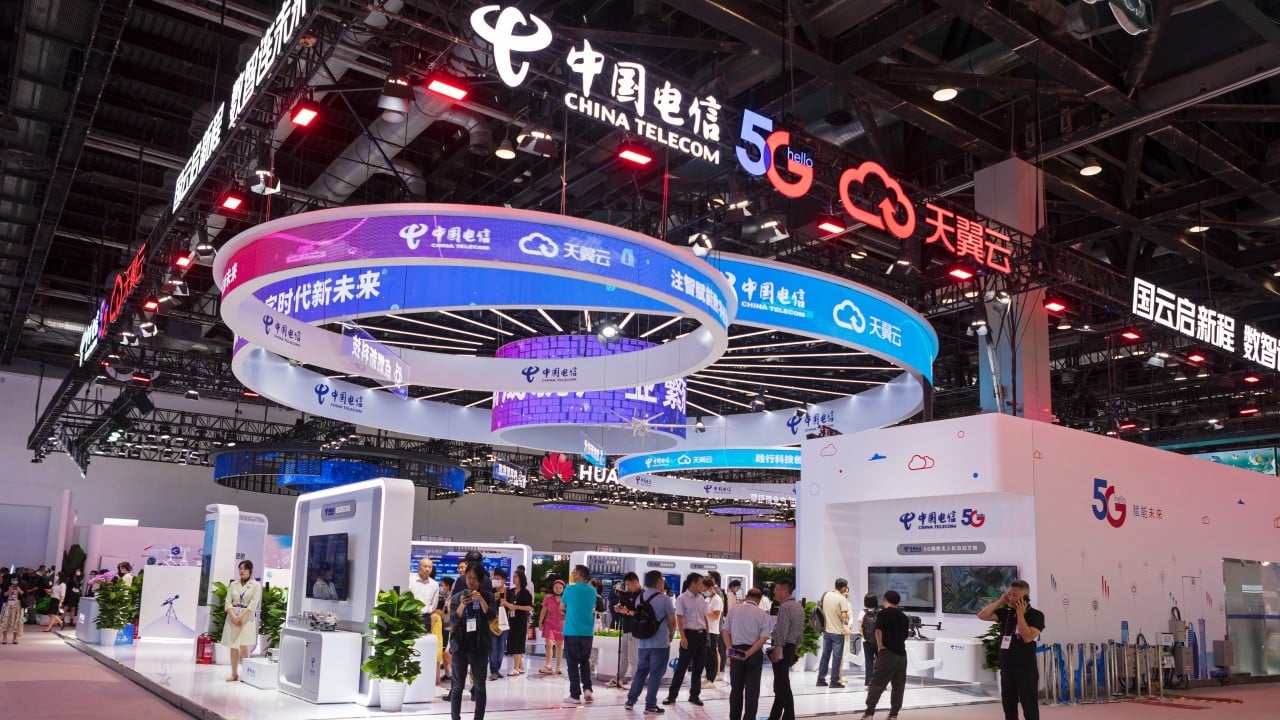
💡China’s telecom giants are turning AI token consumption into a measurable infrastructure business.
⚡ 30-Second TL;DR
What Changed
China Mobile, China Telecom and China Unicom all identified AI and computing operations as key first-half growth drivers.
Why It Matters
For AI builders, telecom operators may become increasingly important infrastructure and distribution partners for large-scale inference in China. Token-based billing could also make model serving costs more transparent, while increasing pressure to optimize token usage and workload efficiency.
What To Do Next
Add input and output token metering to your inference pipeline, then model unit economics under a usage-based telecom or cloud pricing structure.
Key Points
- •China Mobile, China Telecom and China Unicom all identified AI and computing operations as key first-half growth drivers.
- •The companies are treating token usage—the fundamental unit processed by AI models—as a billable business metric.
- •Rising AI adoption in China is increasing demand for computing capacity and creating opportunities for telecom operators.
- •The strategy signals a shift from connectivity revenue toward AI infrastructure, inference and usage-based services.
🧠 Deep Insight
Background and context from public sources — not the original article. 8 sources cited.
🔑 Enhanced Key Takeaways
- •China Telecom has introduced consumer-facing AI subscription tiers, such as a 9.9 yuan monthly plan providing 10 million tokens, effectively commoditizing AI inference.
- •The strategy relies heavily on domestic hardware, specifically Huawei Ascend 384 servers, to bypass international export restrictions on high-end AI accelerators.
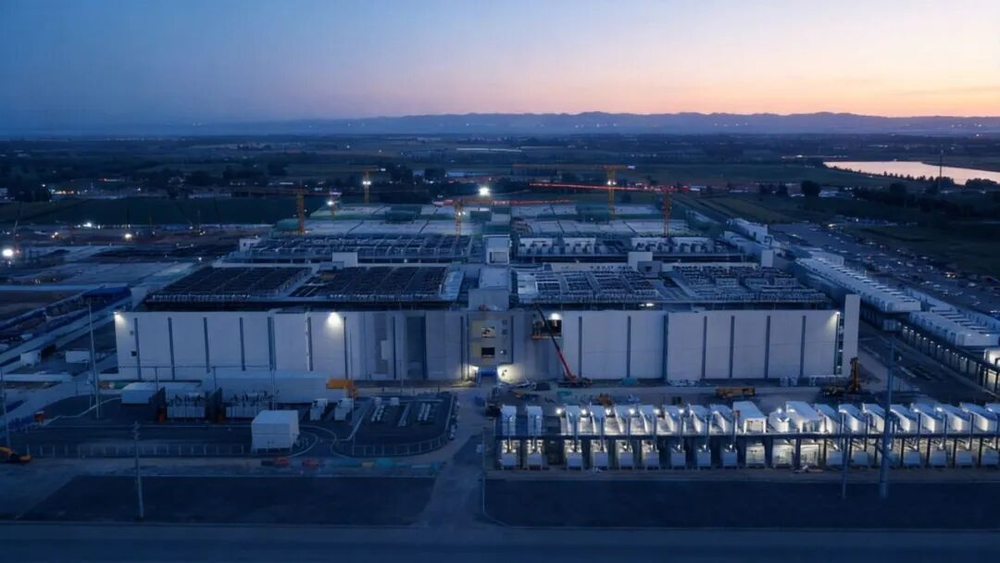
- •Qingyang city has been designated as a primary 'AI token factory' hub, utilizing local renewable energy and natural cooling to support a projected capacity of over 200,000 PetaFLOPS.
- •The Chinese government has committed to a $295 billion investment over five years to build out the underlying data center infrastructure required for these telecom-led AI operations.
- •Daily AI token consumption in China experienced a 1,000-fold increase between early 2024 and March 2026, creating the market urgency for telcos to transition to usage-based billing.
📊 Competitor Analysis▸ Show
| Feature | China Telecom/Mobile/Unicom | Cloud Hyperscalers (e.g., Alibaba/Tencent) | AI Startups (e.g., Moonshot/01.AI) |
|---|---|---|---|
| Primary Model | Infrastructure/Utility-based | Platform/SaaS-based | Model/Application-based |
| Pricing | Commodity (Token-per-yuan) | Subscription/API-based | Tiered/Usage-based |
| Hardware | Domestic (Huawei Ascend) | Mixed (Nvidia/Domestic) | Primarily Nvidia/Cloud-based |
🛠️ Technical Deep Dive
- Utilization of Huawei Ascend 384 AI accelerator chips as the primary compute backbone to ensure supply chain sovereignty.
- Implementation of high-density supernode clusters designed for massive parallel processing of inference workloads.
- Integration of regional data center hubs (e.g., Qingyang) with existing national fiber-optic backbones to minimize latency for token delivery.
- Deployment of energy-efficient cooling architectures leveraging natural high-altitude environments to reduce PUE (Power Usage Effectiveness) ratios.
🔮 Future ImplicationsAI analysis grounded in cited sources
⏳ Timeline
📎 Sources (8)
Factual claims are grounded in the sources below. Forward-looking analysis is AI-generated interpretation.
Weekly AI Recap
Read this week's curated digest of top AI events →
👉Related Updates
AI-curated news aggregator. All content rights belong to original publishers.
Original source: SCMP Technology ↗
This is a summary, not the original. Read the source, or get the weekly briefing.
Weekly AI briefing
One email a week. Unsubscribe anytime.