NVIDIA expands Jetson Thor lineup with T3000 and T2000
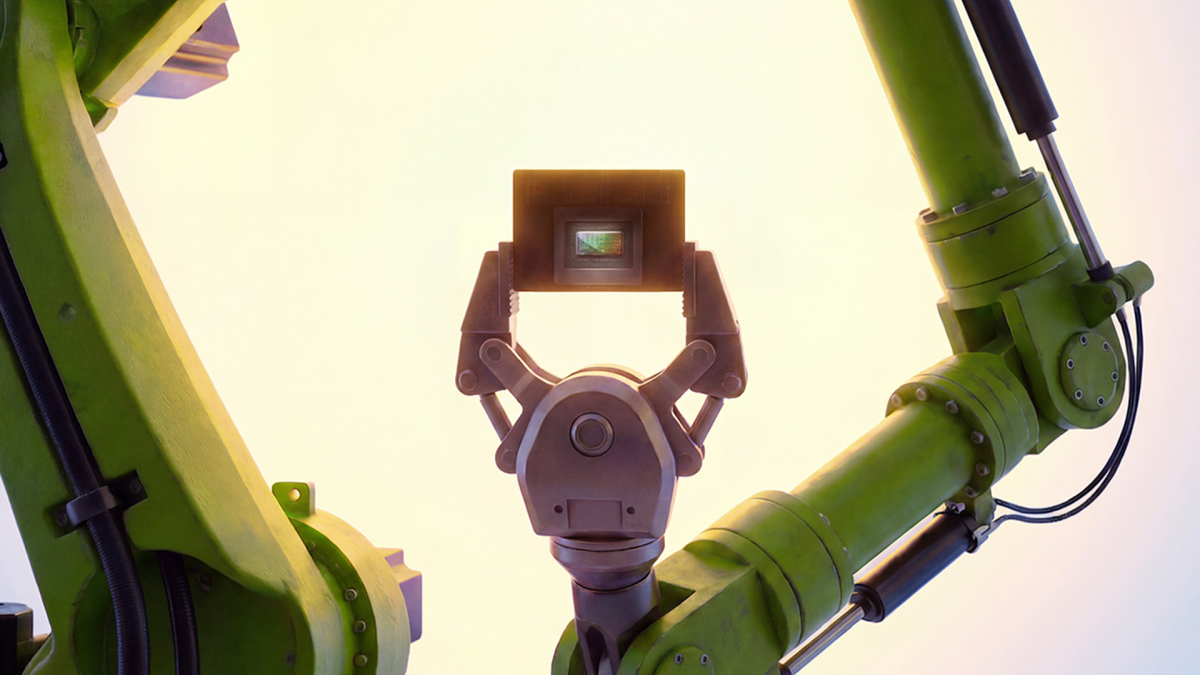
💡New efficient hardware options for robotics and edge AI developers looking to optimize power and memory costs.
⚡ 30-Second TL;DR
What Changed
Introduction of Jetson T3000 and T2000 modules for the Thor series.
Why It Matters
These modules provide developers with more flexible hardware options for edge AI, allowing for high-performance computing in power-constrained environments like robotics.
What To Do Next
Evaluate your edge AI project's power and memory requirements to see if the T3000 or T2000 modules offer a more cost-effective alternative to the flagship Thor.
Key Points
- •Introduction of Jetson T3000 and T2000 modules for the Thor series.
- •Focus on reducing power consumption and optimizing memory footprint.
- •Designed for embedded AI and robotics deployment scenarios.
🧠 Deep Insight
AI-generated analysis for this event.
🔑 Enhanced Key Takeaways
- •The Jetson Thor T3000 and T2000 are built on the Blackwell architecture, specifically optimized for humanoid robotics and autonomous machine inference.
- •These modules integrate a transformer engine designed to accelerate large language models (LLMs) and vision-language models (VLMs) directly on the edge.
- •The T3000 serves as the high-performance variant, while the T2000 is positioned as a power-efficient alternative for smaller form-factor robotics platforms.
- •NVIDIA has integrated these modules into the Isaac robotics ecosystem, providing developers with pre-trained models and simulation tools in Omniverse.
- •The modules feature enhanced functional safety capabilities, meeting ISO 26262 standards for industrial and autonomous mobile robot (AMR) deployments.
📊 Competitor Analysis▸ Show
| Feature | NVIDIA Jetson Thor (T3000/T2000) | Qualcomm Robotics RB6 | Intel Core Ultra (Embedded) |
|---|---|---|---|
| Architecture | Blackwell (GPU/NPU) | Kryo CPU / Adreno GPU | Meteor Lake / Arrow Lake |
| Target App | Humanoid Robotics / Embodied AI | Industrial IoT / AMRs | Edge Computing / Vision AI |
| AI Performance | High (Transformer Optimized) | Moderate | Low-to-Moderate |
| Pricing | Enterprise/High-End | Mid-Range | Commodity/Variable |
🛠️ Technical Deep Dive
- Architecture: Blackwell-based GPU with dedicated Transformer Engine for accelerated inference.
- Memory: LPDDR5X support for high-bandwidth data processing required by multimodal AI models.
- Power Management: Dynamic voltage and frequency scaling (DVFS) optimized for battery-operated robotic systems.
- Connectivity: Integrated high-speed I/O for multi-sensor fusion, including LiDAR, depth cameras, and tactile sensors.
- Software Stack: Full compatibility with NVIDIA JetPack 6.x and Isaac ROS 3.0 frameworks.
🔮 Future ImplicationsAI analysis grounded in cited sources
⏳ Timeline
Weekly AI Recap
Read this week's curated digest of top AI events →
👉Related Updates
Same topic
Explore #edge-ai
Same product
More on nvidia-jetson-agx-thor
Same source
Latest from ITmedia AI+ (日本)

HP OmniBook X Flip features NPU for Copilot Plus
Nvidia Expands Toyota Partnership for Smart Cities and Factories

Apple increases AppleCare+ prices amid global memory shortage
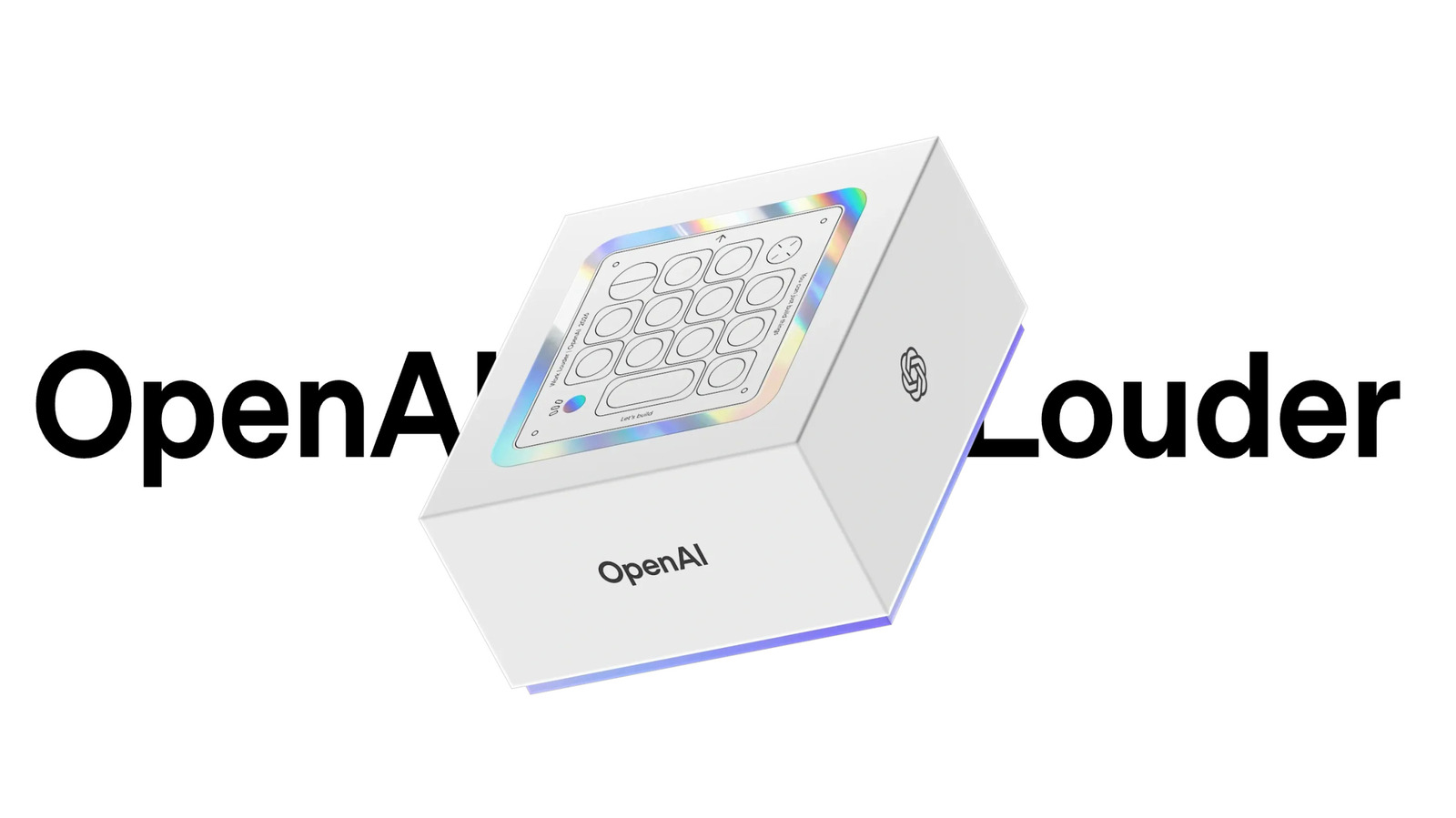
OpenAI launches a physical keypad for controlling agents
AI-curated news aggregator. All content rights belong to original publishers.
Original source: ITmedia AI+ (日本) ↗