New STEG tech boosts solar efficiency by 15x
Breakthrough in energy harvesting efficiency could power the next generation of autonomous edge AI devices.
30-Second TL;DR
What Changed
Efficiency increased by approximately 15 times
Why It Matters
This breakthrough could make solar thermoelectric power a viable, practical energy source for sustainable hardware and remote sensing devices.
What To Do Next
Monitor energy harvesting research for potential integration into low-power edge AI hardware designs.
Key Points
- •Efficiency increased by approximately 15 times
- •Structural and thermal management innovation
- •Only 25% increase in device weight
- •Published in Light: Science and Applications
Deep Insight
Background and context from public sources — not the original article. 5 sources cited.
Enhanced Key Takeaways
- •The significant efficiency gain was achieved by innovating the thermal management of the hot and cold sides of the device, a departure from the traditional focus on improving semiconductor materials in STEGs.
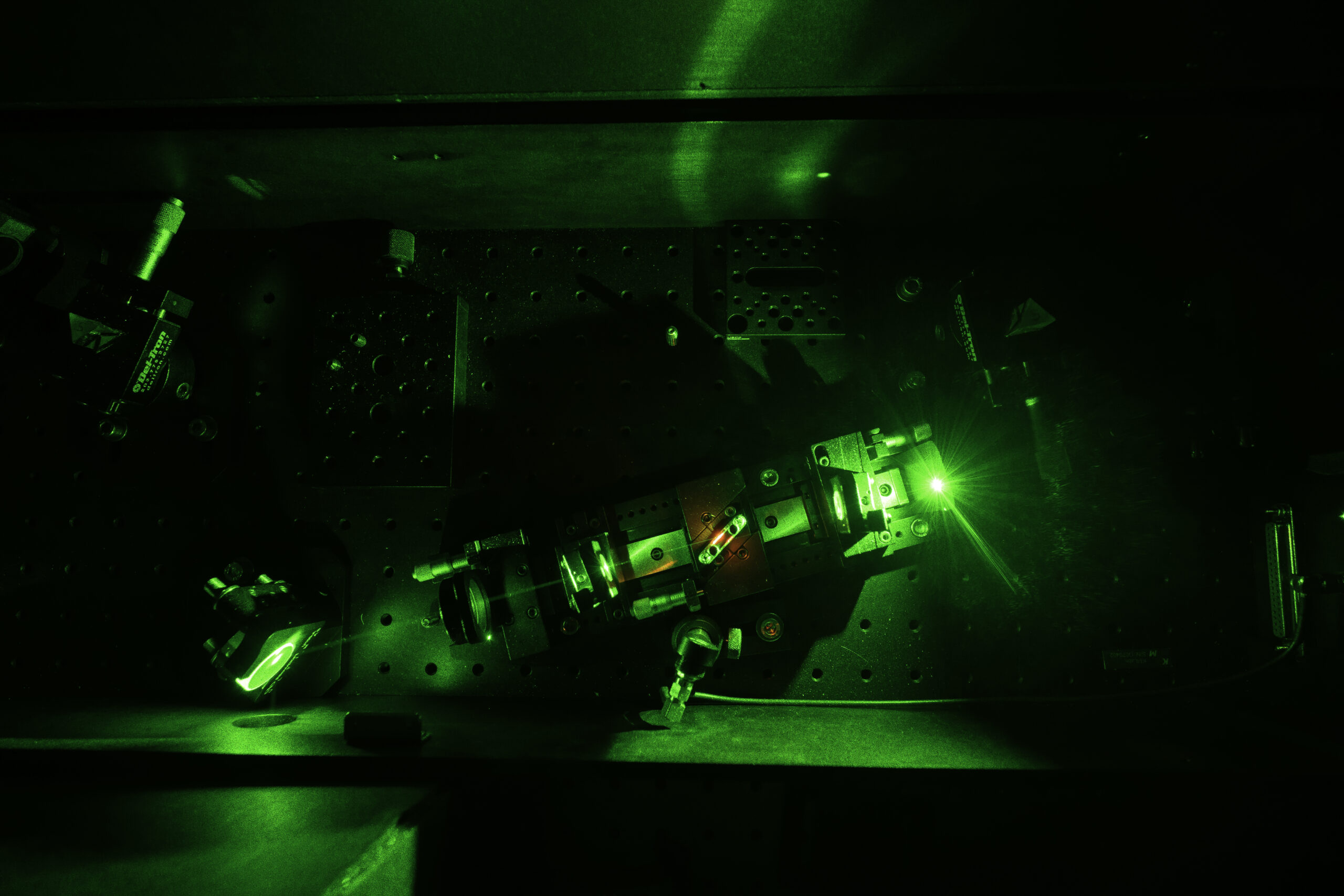
- •The hot side of the STEG incorporates a specialized 'black metal' technology, developed in Professor Chunlei Guo's lab, which involves femtosecond laser-etched tungsten designed for selective solar wavelength absorption and heat trapping within a plastic 'mini greenhouse' chamber.
- •On the cold side, a micro-structured heat dissipator (μ-dissipator), also created using a laser technique on aluminum, was implemented to double cooling performance through enhanced radiation and convection compared to standard aluminum heat sinks.
- •While conventional STEGs typically convert less than 1% of sunlight into electricity, this new design substantially narrows the efficiency gap with residential solar panels, which average around 20% conversion.
- •The enhanced STEG technology is envisioned for diverse applications, including powering wireless sensor networks, wearable electronics, medical sensors, and providing renewable energy in remote or rural areas.
Technical Deep Dive
- Energy Conversion Principle: Solar Thermoelectric Generators (STEGs) convert sunlight into electricity via the Seebeck effect, which generates a voltage from a temperature difference across semiconductor materials.
- Hot Side Optimization:
- Material: Laser-etched tungsten, referred to as 'black metal' technology, serves as the solar absorber.
- Process: Femtosecond laser pulses are used to create nanostructures on the tungsten surface, enabling highly efficient and selective absorption of solar radiation.
- Thermal Management: The absorber is enclosed within a small plastic chamber, functioning as a 'mini greenhouse,' which reduces heat loss due to convection by over 40%.
- Cold Side Optimization:
- Material: Aluminum.
- Process: A similar laser-etching technique is applied to aluminum to create a micro-structured heat dissipator (μ-dissipator).
- Thermal Management: This design improves heat dissipation through both radiation and convection, effectively doubling the cooling performance of a conventional aluminum heat sink.
- Overall Mechanism: The core innovation lies in maximizing the temperature differential across the thermoelectric generator by making the hot side significantly hotter (through superior absorption and trapping) and the cold side considerably cooler (through enhanced dissipation), thereby boosting electrical output.
- Publication: The detailed methodology and results were published in the journal Light: Science and Applications.
Future ImplicationsAI analysis grounded in cited sources
Timeline
- 2025-08University of Rochester announces 15x efficiency boost in Solar Thermoelectric Generators (STEGs).
- 2025-08Research paper '15-Fold increase in solar thermoelectric generator performance through femtosecond-laser spectral engineering and thermal management' published in Light: Science and Applications.
Sources (5)
Factual claims are grounded in the sources below. Forward-looking analysis is AI-generated interpretation.
Weekly AI Recap
Read this week's curated digest of top AI events →
Related Updates


AI-curated news aggregator. All content rights belong to original publishers.
Original source: cnBeta (Full RSS) ↗
This is a summary, not the original. Read the source, or get the weekly briefing.
The weekly digest
One email a week. Unsubscribe anytime.