Microsoft May Delay Clean Energy Goal for AI Data Centers
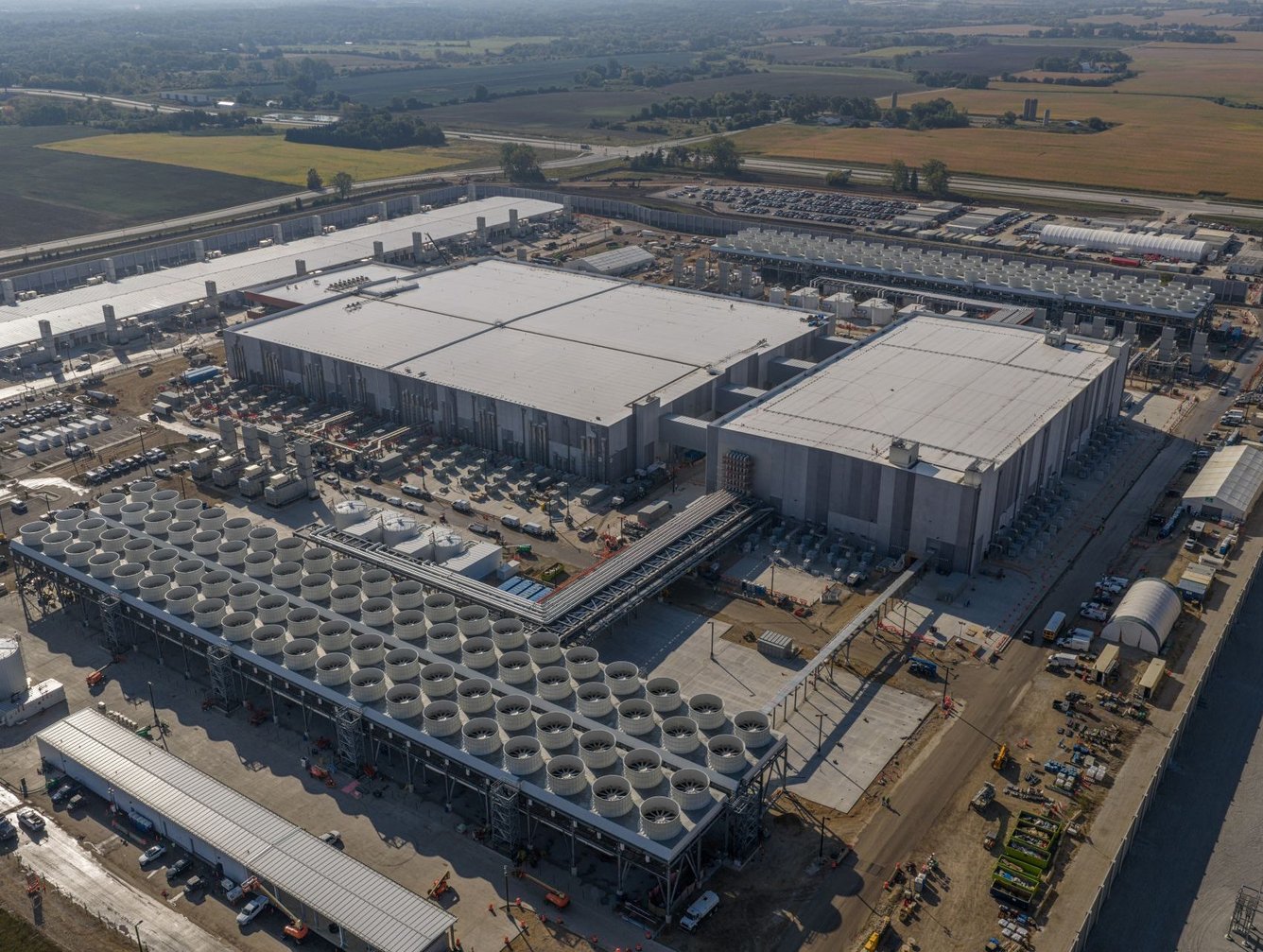
MSFT eyes scaling back hourly clean energy for AI DCs—key for infra sustainability planning
30-Second TL;DR
What Changed
Microsoft rapidly building AI data centers worldwide
Why It Matters
This shift highlights tensions between AI infrastructure growth and sustainability goals, potentially raising costs and scrutiny for hyperscalers. AI practitioners may face higher energy expenses or regulatory pressures.
What To Do Next
Check Microsoft's Azure sustainability dashboard for updates on carbon-free energy progress.
Key Points
- •Microsoft rapidly building AI data centers worldwide
- •Internal talks to postpone 'hourly clean energy matching' pledge
- •Target seen as most aggressive decarbonization commitment in industry
Deep Insight
AI-generated analysis for this event — not the original article.
Enhanced Key Takeaways
- •The 'hourly matching' pledge, originally set for 2030, requires Microsoft to ensure every kilowatt-hour of electricity consumed by its data centers is matched by carbon-free energy generation in the same hour and region.
- •The primary driver for the potential delay is the unprecedented surge in electricity demand caused by high-density AI workloads, which has outpaced the development of local renewable energy infrastructure and grid capacity.
- •Microsoft is exploring alternative strategies, such as increased investment in nuclear energy (including SMRs) and advanced battery storage, to bridge the gap between current grid limitations and their long-term carbon-negative aspirations.
Competitor Analysis
- Microsoft
- 24/7 Hourly Matching (2030)
- 24/7 Carbon-Free Energy (2030)
- Amazon (AWS)
- 100% Renewable Energy (2025)
- Microsoft
- Grid-level PPA + Nuclear
- Grid-level PPA + Geothermal
- Amazon (AWS)
- PPA + Renewable Credits
- Microsoft
- High (Aggressive Scaling)
- High (TPU/GPU Clusters)
- Amazon (AWS)
- High (Custom Silicon/Trainium)
| Feature | Microsoft | Amazon (AWS) | |
|---|---|---|---|
| Carbon-Free Energy Goal | 24/7 Hourly Matching (2030) | 24/7 Carbon-Free Energy (2030) | 100% Renewable Energy (2025) |
| Primary Strategy | Grid-level PPA + Nuclear | Grid-level PPA + Geothermal | PPA + Renewable Credits |
| AI Infrastructure Impact | High (Aggressive Scaling) | High (TPU/GPU Clusters) | High (Custom Silicon/Trainium) |
Future ImplicationsAI analysis grounded in cited sources
Timeline
- 2020-01Microsoft announces goal to be carbon negative by 2030.
- 2021-09Microsoft commits to 100/100/0 vision: 100% of electricity, 100% of the time, matched by zero-carbon energy purchases.
- 2024-05Microsoft's 2024 Environmental Sustainability Report reveals a 29% increase in emissions since 2020, largely due to data center construction.
- 2025-09Microsoft signs a landmark agreement to restart the Three Mile Island nuclear plant to power its data centers.
Weekly AI Recap
Read this week's curated digest of top AI events →
Related Updates


AI-curated news aggregator. All content rights belong to original publishers.
Original source: cnBeta (Full RSS) ↗
This is a summary, not the original. Read the source, or get the weekly briefing.
The weekly digest
One email a week. Unsubscribe anytime.