Microbial fuel cells: The future of self-powered sensors
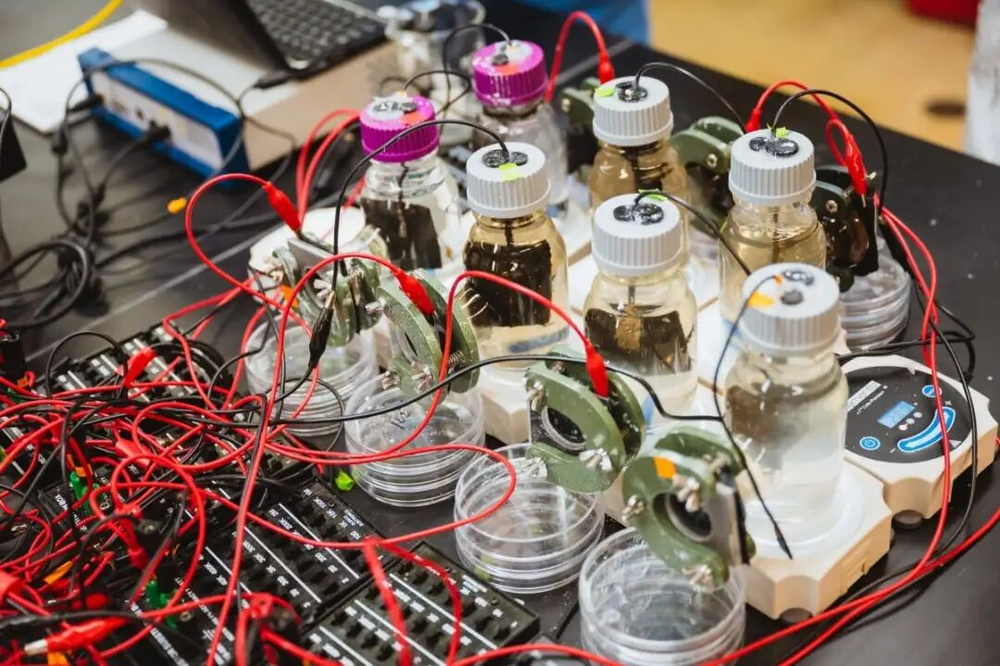
A breakthrough in bio-energy that could eliminate battery maintenance for remote IoT and environmental sensors.
30-Second TL;DR
What Changed
Michigan Tech developed modular underwater MFCs using activated carbon to create oxygen-depleted micro-environments.
Why It Matters
This technology could revolutionize remote sensing by eliminating the need for battery replacement in inaccessible environments like deep-sea or agricultural fields.
What To Do Next
If you are building low-power IoT hardware, investigate if your power budget fits the microwatt output of current MFC prototypes.
Key Points
- •Michigan Tech developed modular underwater MFCs using activated carbon to create oxygen-depleted micro-environments.
- •Northwestern University created a vertical-geometry soil MFC that maintains power in both dry and flooded conditions.
- •These systems provide a long-term, maintenance-free power source for IoT and environmental monitoring sensors.
Weekly AI Recap
Read this week's curated digest of top AI events →
AI-curated news aggregator. All content rights belong to original publishers.
Original source: 虎嗅 ↗
This is a summary, not the original. Read the source, or get the weekly briefing.
The weekly digest
One email a week. Unsubscribe anytime.