Meta Glasses Send Intimate Videos Overseas
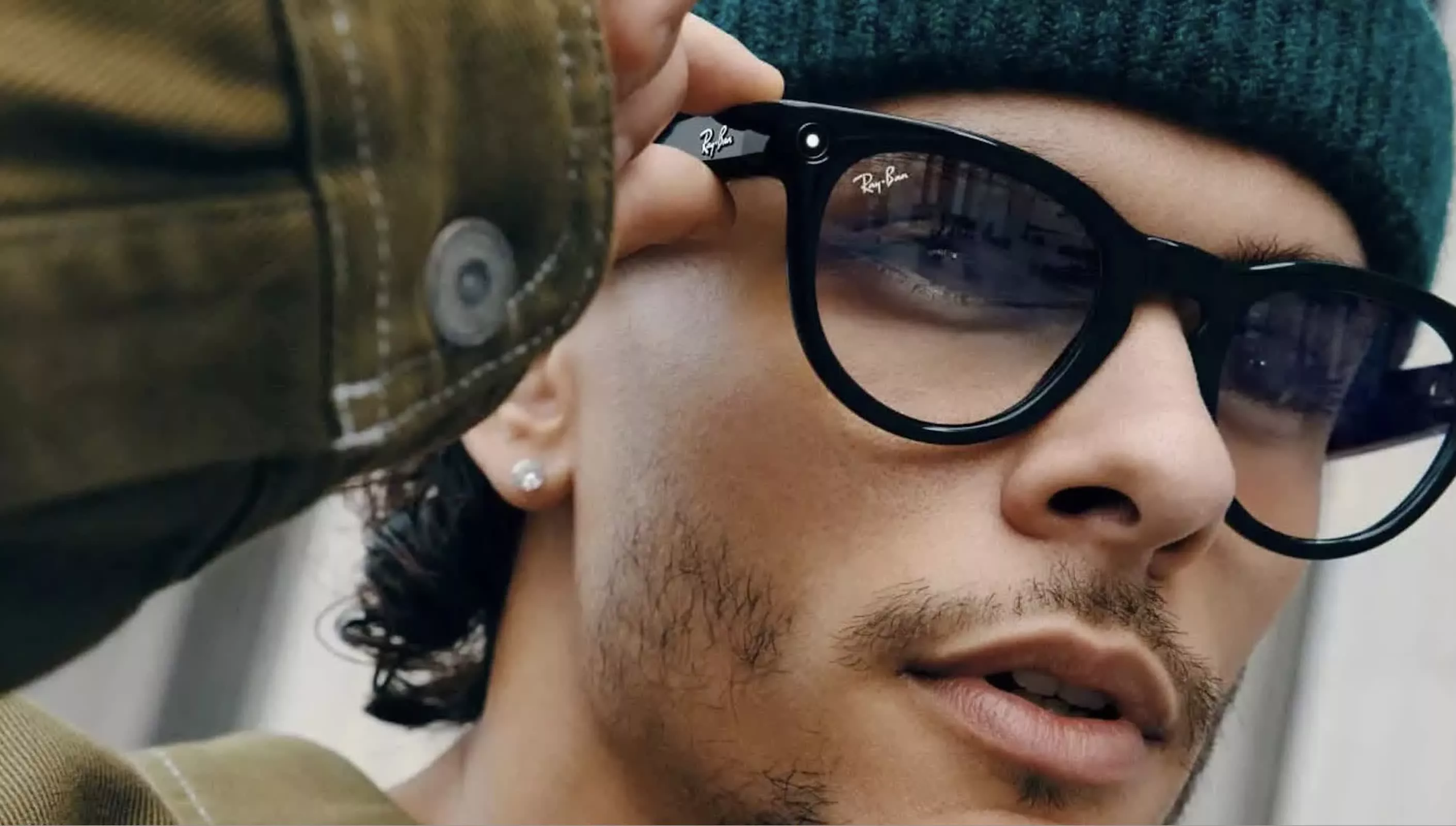
💡Meta's AI glasses outsource intimate user videos to Kenya—key privacy lesson for AR devs.
⚡ 30-Second TL;DR
What Changed
Kenya-based Sama labelers review raw videos from Meta glasses daily
Why It Matters
Erodes trust in AI wearables, may trigger regulations on human-reviewed AI data. AI firms face heightened scrutiny on global annotation practices.
What To Do Next
Audit annotation vendors for GDPR compliance in your wearable AI pipelines.
Key Points
- •Kenya-based Sama labelers review raw videos from Meta glasses daily
- •Videos include intimate, shocking user-captured private scenes
- •Part of Meta's live AI processing for smart glasses
- •Exposes privacy risks in AI data annotation outsourcing
🧠 Deep Insight
Background and context from public sources — not the original article. 5 sources cited.
🔑 Enhanced Key Takeaways
- •Meta Ray-Ban AI smart glasses sold over 7 million units in 2025, compared to 2 million combined in 2023 and 2024[1].
- •Videos are captured via manual button press or 'Hey Meta' voice command activation for AI queries, then sent to Meta servers before annotation[2][3].
- •Faces in annotation data are supposed to be automatically blurred per former Meta employees, but Kenyan annotators report inconsistent blurring leaving some faces visible[3].
- •Meta's terms vaguely state that AI interactions may be reviewed manually by humans, with no opt-out for data sharing required to use AI features[1][2].
🔮 Future ImplicationsAI analysis grounded in cited sources
⏳ Timeline
📎 Sources (5)
Factual claims are grounded in the sources below. Forward-looking analysis is AI-generated interpretation.
Weekly AI Recap
Read this week's curated digest of top AI events →
👉Related Updates


AI-curated news aggregator. All content rights belong to original publishers.
Original source: cnBeta (Full RSS) ↗
This is a summary, not the original. Read the source, or get the weekly briefing.
Weekly AI briefing
One email a week. Unsubscribe anytime.