Lei Jun Urges ADAS in License Tests
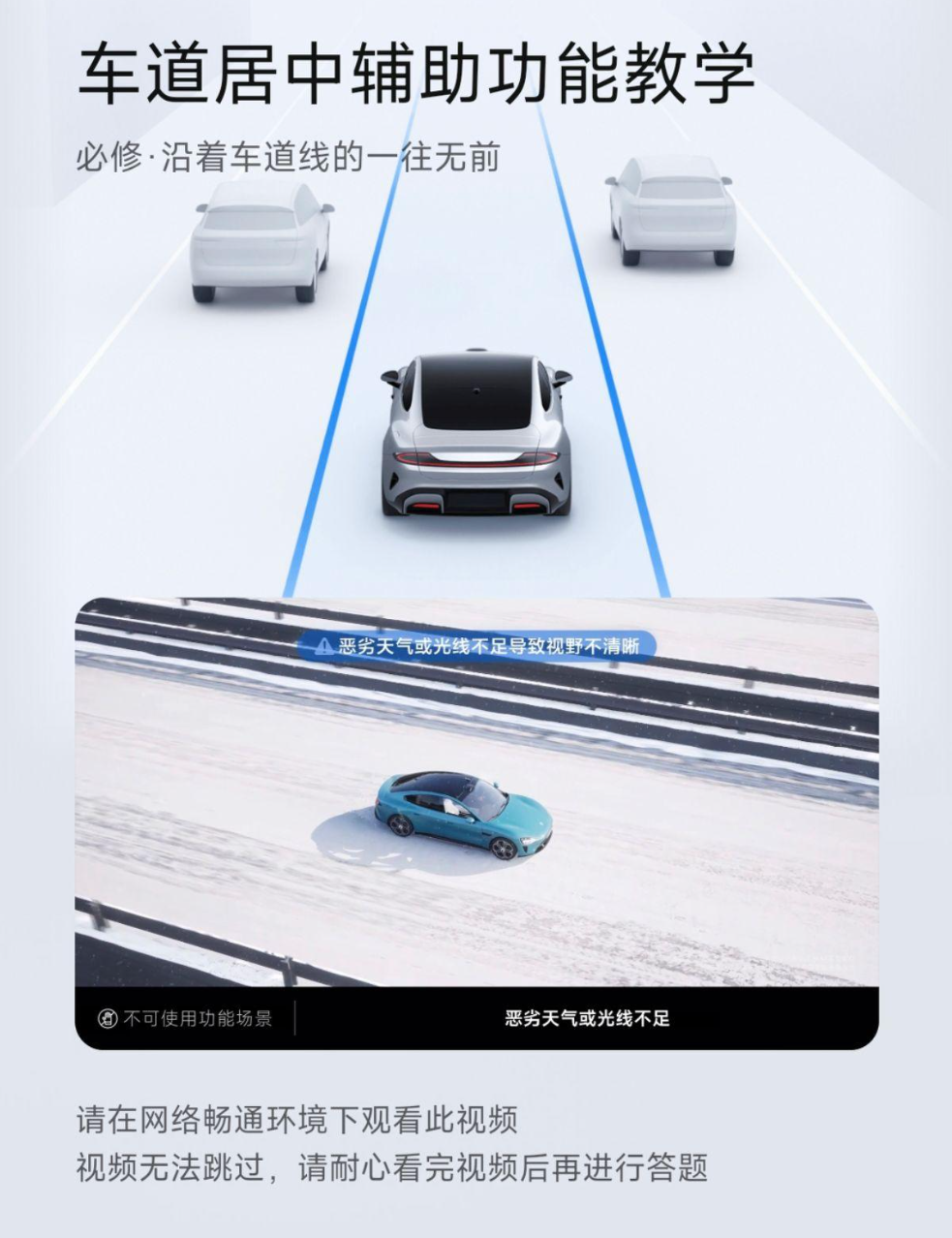
💡Lei Jun's reform for 525M drivers to curb L2 ADAS misuse
⚡ 30-Second TL;DR
What Changed
Lei Jun: Update exams for smart driving ops amid L2 confusion
Why It Matters
Could standardize ADAS education, reducing misuse liability for builders. Pushes tech accountability back to vehicles over user training.
What To Do Next
Audit your ADAS user training for exam-like boundary scenarios.
Key Points
- •Lei Jun: Update exams for smart driving ops amid L2 confusion
- •2025 ADAS accidents avg 4.7W loss, up 35%; complaints +300%
- •L2 penetration >60%, NOA >20%; suggests industry training alliance
- •5.25B drivers; current training perfunctory, non-transferable
🧠 Deep Insight
Background and context from public sources — not the original article. 8 sources cited.
🔑 Enhanced Key Takeaways
- •Lei Jun's proposal includes formalizing smart car-related majors into China's 'national first-class science catalog' to address a shortage of approximately one million skilled professionals in intelligent vehicle sectors[2]
- •Huawei released a 896-line LiDAR system as part of its Qiankun Intelligent Driving platform, designed to provide hardware redundancy and overcome limitations of vision-only systems in adverse weather and low-light conditions[5]
- •XPeng CEO He Xiaopeng proposed regulatory frameworks to leap directly from L2 to L4 autonomy, arguing that L3 poses transitional challenges at hardware, software, and regulatory levels[5]
🛠️ Technical Deep Dive
- •Huawei's 896-line LiDAR provides multi-sensor fusion architecture combining lidar with visual sensors to overcome defects in backlight, low-light, irregular obstacle, and rain-fog-dust scenarios[5]
- •The system emphasizes 'seeing' and 'seeing clearly' rather than relying on a single perception solution, with the LiDAR serving as a reliable physical perception layer when visual sensors fail due to environmental interference[5]
- •Robotaxi equipped with Qiankun system has begun public road tests with plans for trial operation in 2026 and global delivery in 2027[5]
🔮 Future ImplicationsAI analysis grounded in cited sources
⏳ Timeline
📎 Sources (8)
Factual claims are grounded in the sources below. Forward-looking analysis is AI-generated interpretation.
- autonews.gasgoo.com — Gasgoo Express Lei Jun Suggests Increasing Weight of Icv Content in Driving Tests Huawei Qiankun Releases 896 Line Lidar 2029508002187427840
- en.sedaily.com — Xiaomi CEO Calls for Smart Car Content in Drivers License
- auto.news18a.com — Storys 235231
- autonews.gasgoo.com — 2026 Two Sessions Lei Juns Five Proposals Robots Need to Be Regularized Intelligent Driving Needs Rules 2029171178759884800
- eu.36kr.com — 3709301435871619
- electrive.com — China Introduces New Regulations for Autonomous Driving
- chinadaily.com.cn — Ws6965a4c9a310d6866eb33621
- scmp.com — Chinas Tech Leaders Urge Faster AI Humanoid Robot Adoption Two Sessions Proposals
Weekly AI Recap
Read this week's curated digest of top AI events →
👉Related Updates


AI-curated news aggregator. All content rights belong to original publishers.
Original source: 虎嗅 ↗
This is a summary, not the original. Read the source, or get the weekly briefing.
Weekly AI briefing
One email a week. Unsubscribe anytime.