Lao Pu Gold's market valuation and brand challenges
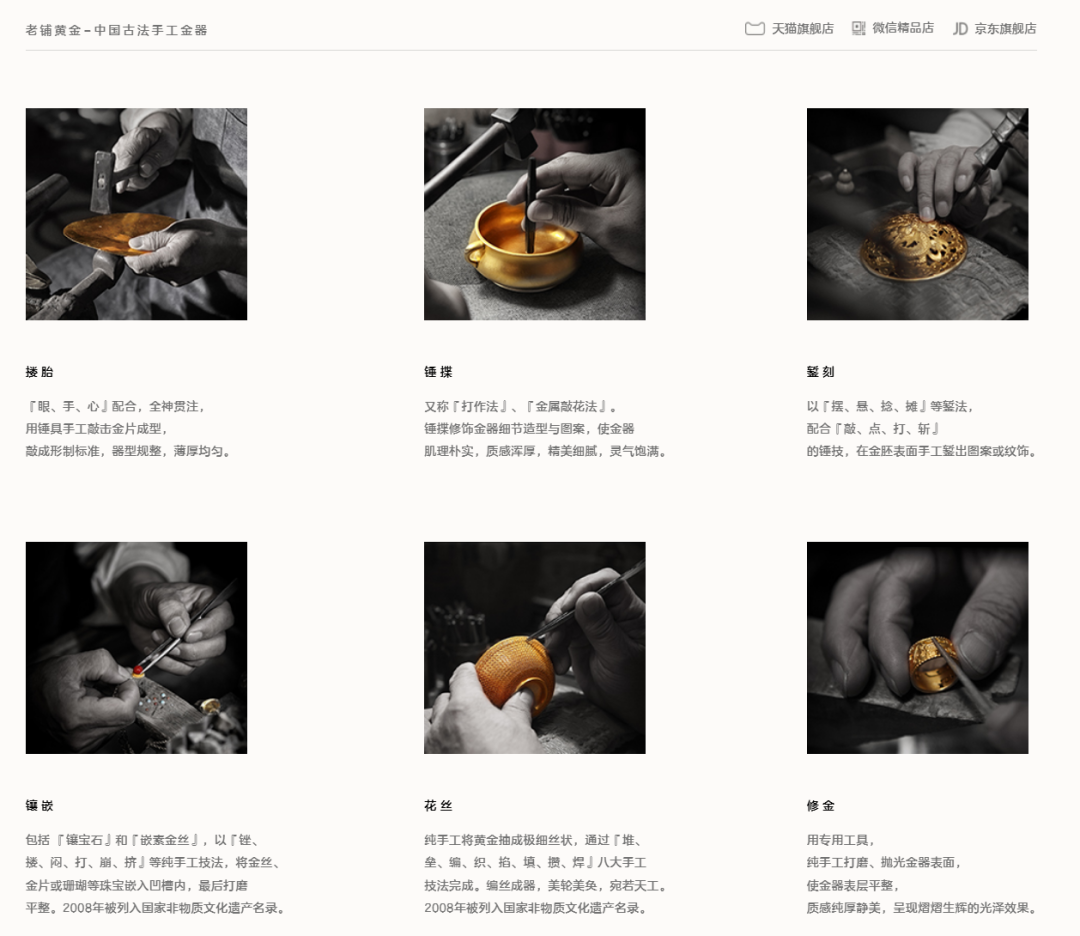
💡A cautionary tale on why digital scaling can destroy brand equity for premium-positioned products.
⚡ 30-Second TL;DR
What Changed
Brand exclusivity is diluted by competitors adopting similar 'ancient craft' gold products.
Why It Matters
The case serves as a warning for luxury-positioned brands on the risks of over-relying on digital channels and failing to maintain true product differentiation.
What To Do Next
Analyze the correlation between inventory turnover and brand premium in your own product strategy to avoid the 'luxury trap'.
Key Points
- •Brand exclusivity is diluted by competitors adopting similar 'ancient craft' gold products.
- •Aggressive online expansion contradicts the luxury 'scarcity' model required for high premiums.
- •High inventory levels to hedge against gold price volatility have led to negative operating cash flow.
- •Market valuation has dropped significantly as the 'luxury' narrative fails to sustain investor confidence.
🧠 Deep Insight
AI-generated analysis for this event — not the original article.
🔑 Enhanced Key Takeaways
- •Lao Pu Gold's business model relies heavily on a 'high-margin, high-cost' strategy, where the cost of raw gold materials accounts for a significant portion of the total product price, limiting gross margin expansion compared to traditional luxury houses.
- •The company's retail strategy has shifted from a pure boutique model to include high-end department store concessions, which analysts argue increases operational overhead and dilutes the 'scarcity' narrative.
- •Financial reports indicate that Lao Pu Gold's inventory turnover ratio has slowed significantly as gold prices reached historical highs, forcing the company to tie up more capital in physical stock.
- •The brand's 'Ancient Gold' (Gu Fa Jin) technique, while once a unique differentiator, has been commoditized by major competitors like Chow Tai Fook and Luk Fook, who have scaled similar product lines at lower price points.
- •Institutional investor sentiment has cooled due to concerns over the company's ability to maintain premium pricing power in a macroeconomic environment characterized by weakening consumer discretionary spending in China.
📊 Competitor Analysis▸ Show
| Feature | Lao Pu Gold | Chow Tai Fook | Luk Fook Jewellery |
|---|---|---|---|
| Positioning | Ultra-Luxury/Niche | Mass Market/Premium | Mass Market |
| Craftsmanship | High-end 'Ancient' | Industrialized 'Ancient' | Industrialized 'Ancient' |
| Pricing Strategy | Premium/Fixed Price | Market Gold Price + Craft Fee | Market Gold Price + Craft Fee |
| Distribution | Boutique/High-end Mall | Extensive Retail Network | Extensive Retail Network |
🔮 Future ImplicationsAI analysis grounded in cited sources
⏳ Timeline
Weekly AI Recap
Read this week's curated digest of top AI events →
👉Related Updates

AI-curated news aggregator. All content rights belong to original publishers.
Original source: 虎嗅 ↗
This is a summary, not the original. Read the source, or get the weekly briefing.
Weekly AI briefing
One email a week. Unsubscribe anytime.