Aviation security: The risks of 'carrying' illicit goods
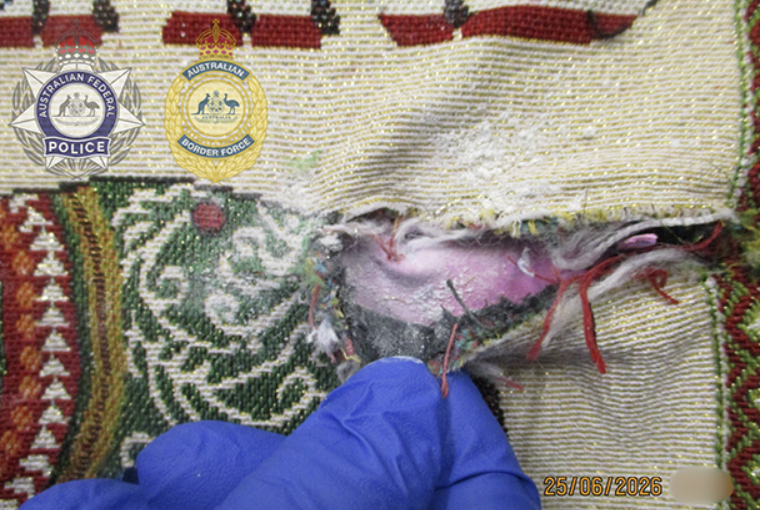
💡A stark reminder of the legal consequences of security lapses in logistics and transport operations.
⚡ 30-Second TL;DR
What Changed
Aviation personnel face severe criminal charges, including life imprisonment, for smuggling.
Why It Matters
This highlights the critical importance of strict compliance and security training in high-risk logistics and transportation industries.
What To Do Next
Implement strict 'zero-trust' security protocols for all physical assets and logistics chains within your organization.
Key Points
- •Aviation personnel face severe criminal charges, including life imprisonment, for smuggling.
- •Smugglers often use 'trusted' social circles or small payments to exploit flight crews as 'mules'.
- •Ignorance of the contents of a package is rarely a valid legal defense in international customs law.
- •Strict 'no-carry' policies are essential for protecting both the individual's future and the airline's integrity.
🧠 Deep Insight
AI-generated analysis for this event — not the original article.
🔑 Enhanced Key Takeaways
- •Aviation security protocols now increasingly utilize 'Known Crewmember' (KCM) programs, which, while streamlining security, have faced scrutiny for potential vulnerabilities exploited by insider threats.
- •The 'blind mule' phenomenon is a documented tactic where criminal organizations use sophisticated social engineering to groom aviation staff over months, often starting with legitimate, low-risk items before introducing contraband.
- •International aviation bodies like ICAO have updated Annex 17 to the Convention on International Civil Aviation to mandate stricter background checks and continuous monitoring of personnel with airside access.
- •Data analytics and AI-driven behavioral monitoring systems are being deployed at major hubs to detect anomalous travel patterns or financial irregularities among flight crew that may indicate involvement in smuggling rings.
- •Legal precedents in multiple jurisdictions have established that 'willful blindness'—the deliberate avoidance of knowledge regarding the contents of a package—is legally equivalent to actual knowledge in drug trafficking prosecutions.
🔮 Future ImplicationsAI analysis grounded in cited sources
⏳ Timeline
Weekly AI Recap
Read this week's curated digest of top AI events →
👉Related Updates



AI-curated news aggregator. All content rights belong to original publishers.
Original source: 虎嗅 ↗
This is a summary, not the original. Read the source, or get the weekly briefing.
Weekly AI briefing
One email a week. Unsubscribe anytime.