A-Share trading reform: Why T+0 remains restricted
💡Understand the regulatory constraints governing algorithmic trading and market liquidity in the Chinese A-share market.
⚡ 30-Second TL;DR
What Changed
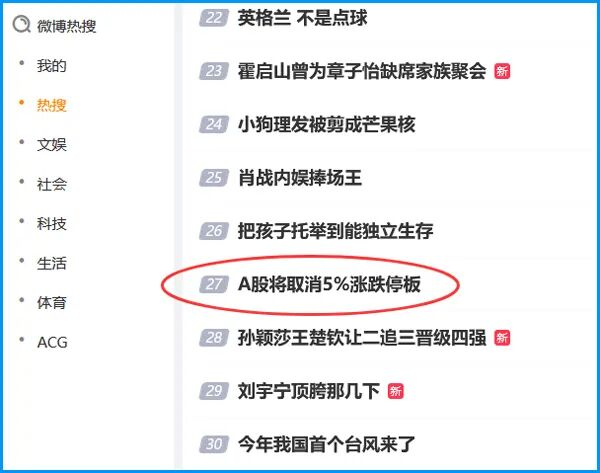
A-share market maintains T+1 to prevent extreme volatility and speculative bubbles.
Why It Matters
The cautious approach to trading reforms suggests that automated trading systems and high-frequency algorithms must continue to operate within strict regulatory boundaries in the Chinese market.
What To Do Next
If building trading algorithms for A-shares, ensure your risk management modules are hard-coded to respect T+1 settlement and current price band constraints.
Key Points
- •A-share market maintains T+1 to prevent extreme volatility and speculative bubbles.
- •Retail investors account for 80%+ of trading volume, necessitating protective price limits.
- •Regulatory strategy focuses on 'systematic reconstruction' rather than simple rule removal.
- •Recent adjustments like moving ST stocks to 10% are aimed at rule alignment and efficiency.
🧠 Deep Insight
AI-generated analysis for this event — not the original article.
🔑 Enhanced Key Takeaways
- •The T+1 system is deeply integrated with the China Securities Depository and Clearing Corporation's (CSDC) settlement infrastructure, which requires overnight batch processing to reconcile massive retail transaction volumes.
- •Historical pilot programs for T+0 in the 1990s were abandoned due to excessive speculation and 'day-trading' frenzies that led to significant market manipulation cases.
- •Regulatory bodies like the CSRC have indicated that T+0 implementation would require a massive overhaul of the existing margin trading and securities lending (short-selling) mechanisms to prevent one-sided market crashes.
- •The 'T+1' restriction serves as a structural circuit breaker, preventing the rapid compounding of losses for retail investors who lack the algorithmic execution tools used by institutional high-frequency traders.
- •Recent discussions on 'T+0' often distinguish between 'day-trading' (intraday round-trips) and 'T+0 settlement,' with regulators exploring potential phased rollouts for blue-chip ETFs before individual equities.
🛠️ Technical Deep Dive
- Settlement Architecture: The CSDC utilizes a centralized, batch-based clearing system that operates on a T+1 cycle to ensure finality of settlement and mitigate counterparty risk in a market dominated by non-institutional participants.
- Algorithmic Constraints: Current trading systems enforce hard-coded T+1 locks at the broker-dealer gateway level, preventing the execution of sell orders for securities purchased on the same trading day.
- Price Limit Mechanism: The 10% (or 20% on STAR/ChiNext markets) price limit is enforced via a centralized order matching engine that rejects any order exceeding the calculated reference price, acting as a hard technical barrier against volatility.
🔮 Future ImplicationsAI analysis grounded in cited sources
⏳ Timeline
Weekly AI Recap
Read this week's curated digest of top AI events →
👉Related Updates

AI-curated news aggregator. All content rights belong to original publishers.
Original source: 虎嗅 ↗
This is a summary, not the original. Read the source, or get the weekly briefing.
Weekly AI briefing
One email a week. Unsubscribe anytime.