Korea India copy Chinese AI in global race
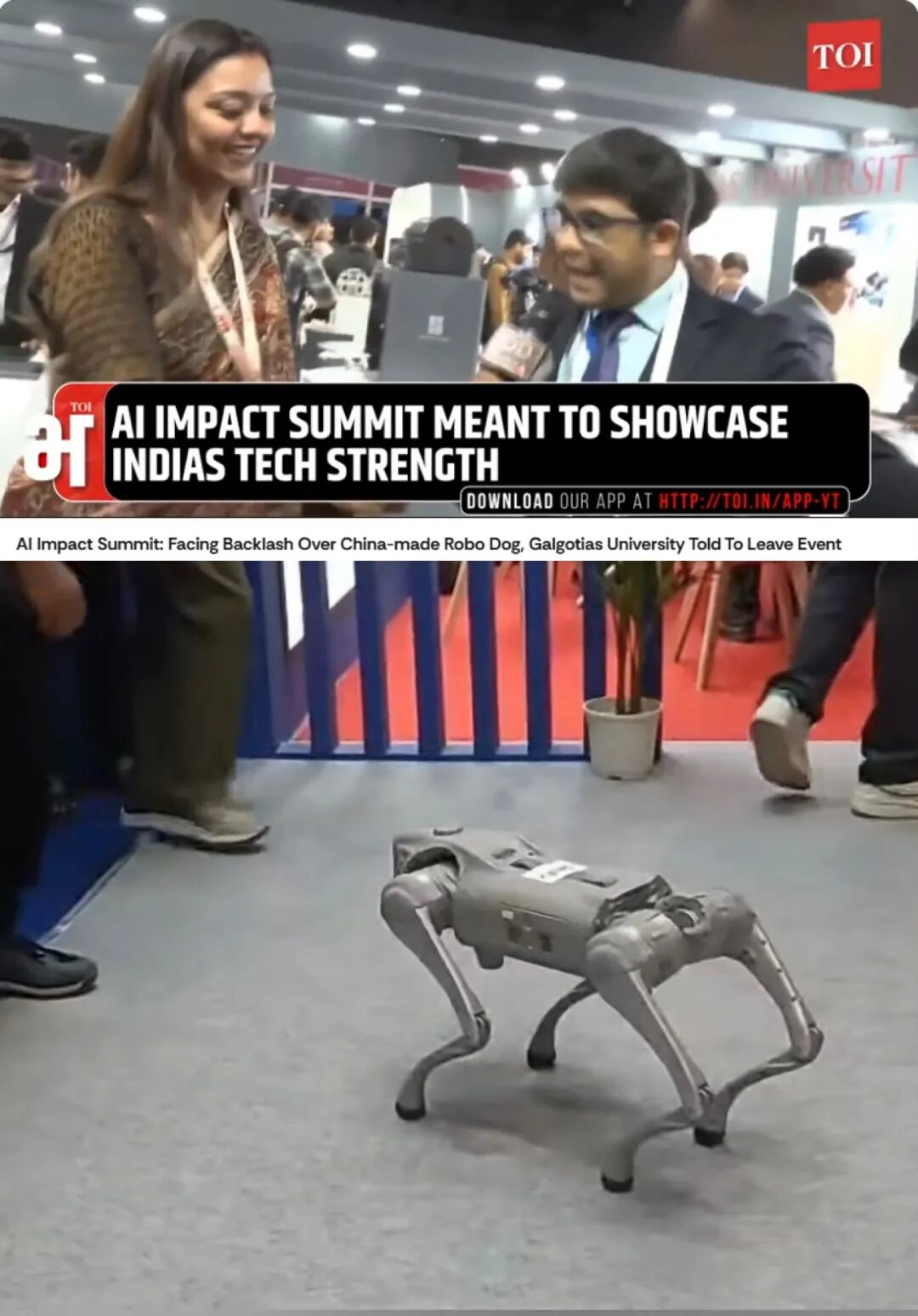
💡Korea $2.5B AI bid fails over Chinese model code copies—open-source pitfalls.
⚡ 30-Second TL;DR
What Changed
Korean gov's 5300B KRW contest: 3 teams copied Qwen, DeepSeek, Zhipu code.
Why It Matters
Exposes reliance on Chinese open-source LLMs by rivals; questions national AI sovereignty amid funding/talent gaps. Boosts visibility of Qwen/DeepSeek globally.
What To Do Next
Audit your LLM codebase for Zhipu/DeepSeek licenses before national grants.
Key Points
- •Korean gov's 5300B KRW contest: 3 teams copied Qwen, DeepSeek, Zhipu code.
- •Upstage admitted using Zhipu open components; NAVER used Alibaba encoders.
- •Japan 6/10 top models based on DeepSeek/Qwen; India faked Unitree Go2 as own.
- •Challenges: funding shortages, GPU scarcity, Korean data lack.
- •Gov continues despite scandal, adds revival round.
🧠 Deep Insight
Background and context from public sources — not the original article. 7 sources cited.
🔑 Enhanced Key Takeaways
- •South Korea's government-funded AI competition explicitly lacks rules prohibiting foreign open-source code use, creating ambiguity that enabled finalists to incorporate components from Chinese models like Zhipu AI without violating stated guidelines[1][3].
- •The controversy triggered a broader debate within South Korea's AI ecosystem about the feasibility of building sovereign AI from scratch versus pragmatically leveraging existing open-source technologies, with government officials framing the technical dispute as evidence of healthy industry self-regulation[5].
- •Beyond Upstage's Zhipu integration, Naver acknowledged using external encoders (attributed to Alibaba in the article summary) and SK Telecom made comparable admissions, indicating systemic reliance on foreign foundational technologies across multiple finalists[1].
🔮 Future ImplicationsAI analysis grounded in cited sources
⏳ Timeline
📎 Sources (7)
Factual claims are grounded in the sources below. Forward-looking analysis is AI-generated interpretation.
- cryptopolitan.com — South Korea Using Chinese Code Sovereign AI
- longbridge.com — 272550418
- news.futunn.com — South Korea S AI Competition Sparks Controversy Three Out of
- news.aibase.com — 24593
- chosun.com — 2brx7cm32vb4jdpqwkmsyvp5di
- timeshighereducation.com — Mass Cheating Case Exposes South Koreas Assessment Crisis
- mlex.com — South Korea S AI Model Plagiarism Spat Ends Fast Leaving Hard Questions
Weekly AI Recap
Read this week's curated digest of top AI events →
👉Related Updates

AI-curated news aggregator. All content rights belong to original publishers.
Original source: 虎嗅 ↗
This is a summary, not the original. Read the source, or get the weekly briefing.
Weekly AI briefing
One email a week. Unsubscribe anytime.