Japan MOJ Panels AI Video-Voice Infringements
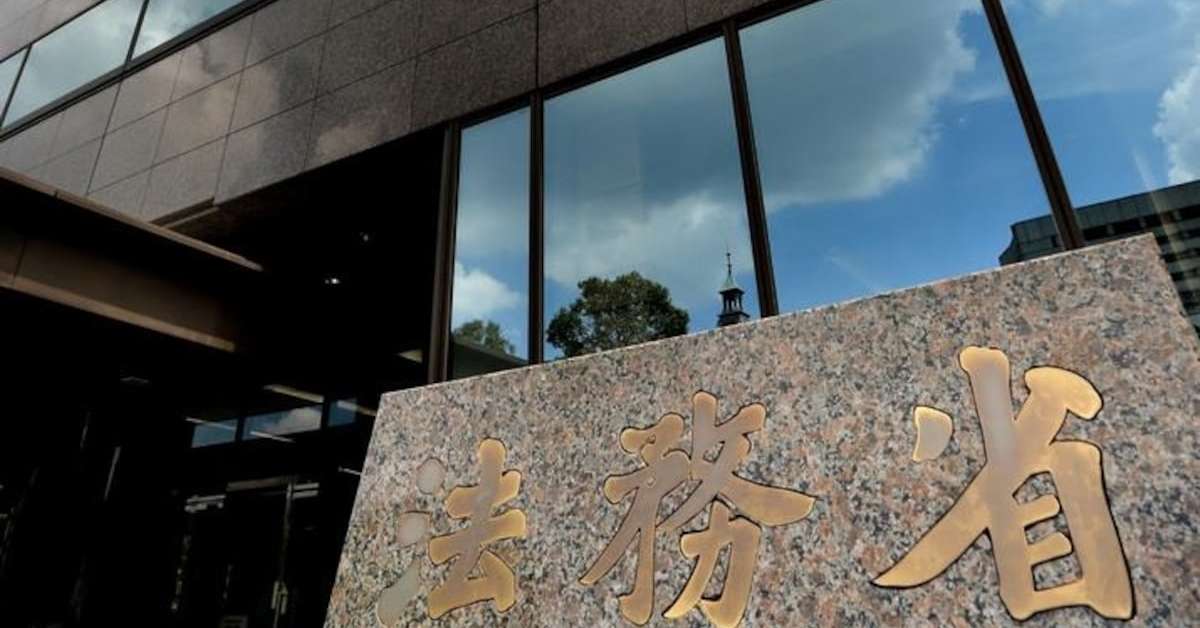
💡MOJ guidelines incoming on AI deepfake celeb misuse liabilities.
⚡ 30-Second TL;DR
What Changed
MOJ establishes panel on AI-generated video/audio rights violations.
Why It Matters
Provides legal clarity for AI creators on voice/video gen risks in Japan, potentially setting precedents for global deepfake regulations.
What To Do Next
Check Japanese case law on voice likeness for your TTS or video gen AI models.
Key Points
- •MOJ establishes panel on AI-generated video/audio rights violations.
- •Focuses on unauthorized celeb face/voice deepfakes.
- •Guidelines to cover infringement detection and compensation scopes.
🧠 Deep Insight
AI-generated analysis for this event — not the original article.
🔑 Enhanced Key Takeaways
- •The panel is specifically tasked with evaluating whether current 'Right of Publicity' laws in Japan, which are primarily based on judicial precedents rather than explicit statutes, are sufficient to address the rapid proliferation of high-fidelity generative AI deepfakes.
- •The initiative follows a surge in complaints from the Japanese entertainment industry regarding unauthorized 'AI gravure' and voice-cloning services that bypass talent agency licensing agreements.
- •The Ministry of Justice is coordinating with the Agency for Cultural Affairs to ensure that new guidelines align with existing copyright frameworks while specifically addressing the 'personality rights' of individuals distinct from copyrightable creative works.
🔮 Future ImplicationsAI analysis grounded in cited sources
⏳ Timeline
Weekly AI Recap
Read this week's curated digest of top AI events →
👉Related Updates
AI-curated news aggregator. All content rights belong to original publishers.
Original source: ITmedia AI+ (日本) ↗
This is a summary, not the original. Read the source, or get the weekly briefing.
The weekly digest
One email a week. Unsubscribe anytime.