Iran-US Talks on Hormuz Strait Reopening
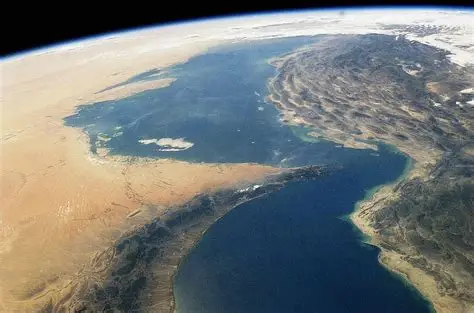
Geopolitical stability in key shipping lanes directly affects the cost and availability of AI hardware infrastructure.
30-Second TL;DR
What Changed
US and Iran in diplomatic discussions regarding the Strait of Hormuz
Why It Matters
Stabilization of this shipping route would reduce volatility in global energy and hardware supply chains, which are critical for AI data center operations.
What To Do Next
Monitor geopolitical developments in the Middle East to assess potential impacts on hardware component lead times and cloud infrastructure costs.
Key Points
- •US and Iran in diplomatic discussions regarding the Strait of Hormuz
- •Proposed timeline is 30 days post-peace agreement
- •Strait of Hormuz is a critical global shipping choke point
Deep Insight
Background and context from public sources — not the original article. 11 sources cited.
Enhanced Key Takeaways
- •The Strait of Hormuz has been largely blocked by Iran since February 28, 2026, following US and Israeli strikes on Iran, leading to a "2026 Strait of Hormuz crisis" and the largest disruption to world energy supply since the 1970s.
- •The ongoing negotiations, mediated by Pakistan and Qatar, involve discussions on freedom of navigation, Iran's nuclear and ballistic missile programs, reconstruction, sanctions, and a long-term peace agreement.
- •A proposed memorandum of understanding (MOU) includes Iran reopening the Strait and removing naval mines, in exchange for the US lifting its blockade on Iranian ports and issuing sanctions waivers for oil exports.
- •Despite the proposed reopening, Iran's Tasnim News Agency reports that the draft MOU stipulates only a return to pre-war transit capacity, not a full restoration of previous conditions, as Iran intends to continue exercising sovereign rights over the Strait.
- •The US and China, at a May 2026 summit, jointly affirmed that the Strait of Hormuz must remain open, opposing militarization and any attempt to charge tolls, which they consider a violation of international maritime law (UNCLOS).
Future ImplicationsAI analysis grounded in cited sources
Timeline
- 1988USS Vincennes shot down an Iranian commercial flight over the Strait of Hormuz, killing 290 Iranians, increasing hostilities.
- 2019Iran downed a U.S. Global Hawk drone in the Strait of Hormuz, and six oil tankers were attacked in or near the Strait, which the U.S. blamed on Iran.
- 2025-04-12Iran and the United States began a series of negotiations aimed at a nuclear peace agreement, following a letter from US President Donald Trump to Iranian Supreme Leader Ali Khamenei.
- 2026-02-28The United States and Israel attacked Iran, leading to Iran's effective closure of the Strait of Hormuz and the start of the "2026 Strait of Hormuz crisis".
- 2026-04-07Iran, Israel, and the United States agreed to a temporary two-week ceasefire.
- 2026-05-24Reports indicated that the US and Iran were nearing a broader peace agreement, with US President Donald Trump suggesting the Strait of Hormuz could soon reopen under a ceasefire framework.
Sources (11)
Factual claims are grounded in the sources below. Forward-looking analysis is AI-generated interpretation.
Weekly AI Recap
Read this week's curated digest of top AI events →
Related Updates


AI-curated news aggregator. All content rights belong to original publishers.
Original source: cnBeta (Full RSS) ↗
This is a summary, not the original. Read the source, or get the weekly briefing.
The weekly digest
One email a week. Unsubscribe anytime.