⚛️Ars Technica AI•Stalecollected in 20m
GitHub Copilot shifts to usage-based pricing
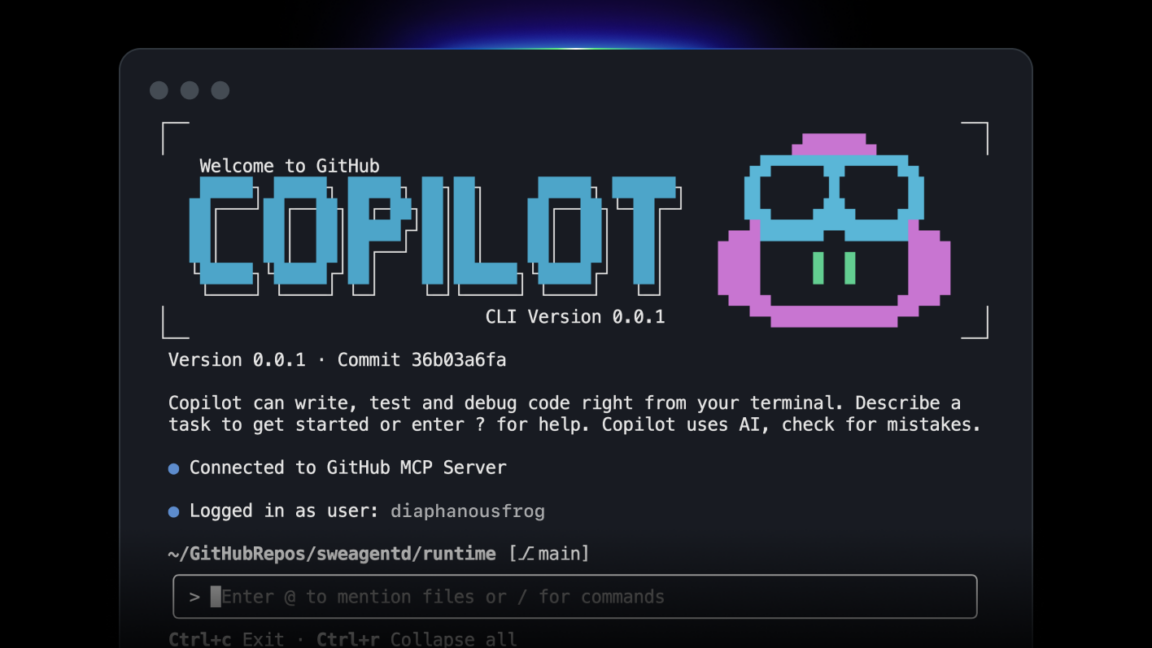
💡Copilot pricing goes pay-per-use—heavy devs, brace for bill hikes!
⚡ 30-Second TL;DR
What Changed
GitHub Copilot pricing now based on actual AI usage
Why It Matters
Heavy Copilot users may face significantly higher bills, prompting optimization of AI tool usage in workflows. Lighter users likely unaffected. Signals broader trend of AI providers passing inference costs to consumers.
What To Do Next
Audit your GitHub Copilot usage dashboard now to forecast billing under new model.
Who should care:Developers & AI Engineers
Key Points
- •GitHub Copilot pricing now based on actual AI usage
- •Escalating inference costs from heaviest users cited
- •GitHub ends cost absorption for high-volume AI queries
🧠 Deep Insight
AI-generated analysis for this event.
🔑 Enhanced Key Takeaways
- •The new pricing model introduces a 'pay-as-you-go' tier specifically targeting enterprise customers who exceed their monthly token allocation, moving away from the previous flat-rate subscription model.
- •GitHub is implementing a tiered token-usage monitoring dashboard, allowing organizations to set hard spending limits to prevent unexpected overages from automated CI/CD pipelines.
- •The shift is driven by the integration of more computationally expensive, larger-parameter models (such as GPT-5-class architectures) which have significantly higher inference costs than the original Copilot models.
📊 Competitor Analysis▸ Show
| Feature | GitHub Copilot | Cursor | Tabnine | Amazon Q Developer |
|---|---|---|---|---|
| Pricing Model | Hybrid (Subscription + Usage) | Subscription | Subscription/Enterprise | Subscription/Usage |
| Model Agnostic | Limited | Yes | Yes | Limited |
| Enterprise Controls | High | Moderate | High | High |
🛠️ Technical Deep Dive
- •Transition to dynamic token-based billing requires real-time telemetry integration with the OpenAI inference API to track input/output token counts per request.
- •Implementation of a 'token-budgeting' middleware that intercepts IDE requests to validate remaining quota before routing to the inference engine.
- •Optimization of context-window management to reduce unnecessary token consumption, including smarter RAG (Retrieval-Augmented Generation) filtering for large codebases.
🔮 Future ImplicationsAI analysis grounded in cited sources
Enterprise adoption of AI coding assistants will slow in the short term due to budget uncertainty.
Moving from predictable flat-rate subscriptions to variable usage-based costs introduces financial volatility that procurement departments typically resist.
Developers will prioritize local, smaller-parameter models for routine tasks to minimize usage costs.
As usage-based pricing penalizes high-volume queries, developers are incentivized to use lightweight local models for simple autocomplete tasks while reserving cloud-based models for complex architectural work.
⏳ Timeline
2021-06
GitHub Copilot technical preview launched powered by OpenAI Codex.
2022-06
GitHub Copilot becomes generally available as a paid subscription service.
2023-03
GitHub Copilot X announced, introducing chat and voice capabilities.
2024-05
GitHub introduces Copilot Extensions to integrate third-party services.
2025-11
GitHub announces integration of advanced reasoning models into the Copilot ecosystem.
📰
Weekly AI Recap
Read this week's curated digest of top AI events →
👉Related Updates
AI-curated news aggregator. All content rights belong to original publishers.
Original source: Ars Technica AI ↗