DeepRoute Hires DeepSeek Expert for Physical AI
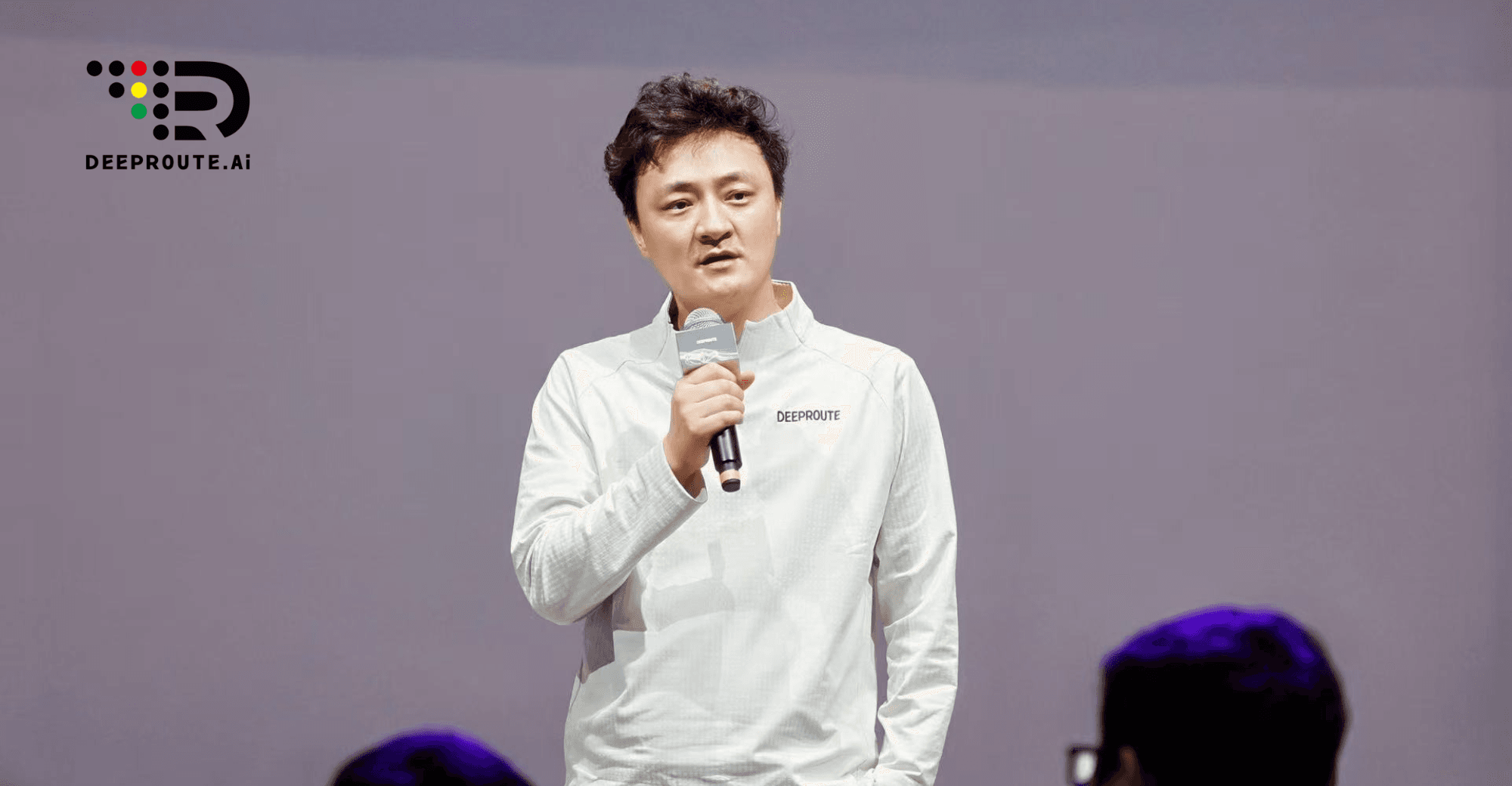
💡DeepSeek star joins DeepRoute's Physical AI pivot – embodied AI strategy shift!
⚡ 30-Second TL;DR
What Changed
DeepRoute.ai shifts to Physical AI infrastructure builder
Why It Matters
This move highlights the trend toward embodied AI, bridging digital models with physical applications like autonomous driving. It could attract talent and investment to Physical AI, challenging pure software AI dominance.
What To Do Next
Check DeepRoute.ai's Beijing Auto Show demos for Physical AI foundation model access.
Key Points
- •DeepRoute.ai shifts to Physical AI infrastructure builder
- •Showcased at 2026 Beijing Auto Show
- •Hires ex-DeepSeek scientist Ruan Chong
- •Leverages unified foundation model and real-world data
🧠 Deep Insight
AI-generated analysis for this event — not the original article.
🔑 Enhanced Key Takeaways
- •DeepRoute.ai's pivot involves transitioning from their previous 'Driver 3.0' end-to-end autonomous driving solution toward a generalized 'Physical AI' framework capable of cross-domain robotic applications beyond passenger vehicles.
- •Ruan Chong, formerly a key researcher at DeepSeek, is tasked with optimizing the efficiency of DeepRoute's large-scale foundation models, specifically focusing on reducing inference latency for real-time physical world interaction.
- •The company is shifting its business model from a Tier 1 automotive supplier to an infrastructure provider, aiming to license its Physical AI stack to third-party hardware manufacturers in logistics and industrial automation.
📊 Competitor Analysis▸ Show
| Feature | DeepRoute.ai (Physical AI) | Waymo (End-to-End) | Tesla (FSD/Optimus) |
|---|---|---|---|
| Core Focus | Cross-domain Physical AI | Robotaxi/Passenger AV | Consumer AV/Humanoid Robotics |
| Model Architecture | Unified Foundation Model | Modular/End-to-End Hybrid | End-to-End Neural Net |
| Business Model | Infrastructure Licensing | Fleet Operator | Hardware/Software Sales |
🛠️ Technical Deep Dive
- •The new 'Physical AI' architecture utilizes a transformer-based foundation model trained on multi-modal sensor fusion data (LiDAR, camera, radar) combined with synthetic simulation data.
- •Implementation of 'World Model' capabilities allows the system to predict future physical states and environmental dynamics, moving beyond simple perception-to-action mapping.
- •Ruan Chong's integration focuses on applying DeepSeek-style Mixture-of-Experts (MoE) architectures to the autonomous driving stack to optimize compute resource allocation during complex urban navigation.
🔮 Future ImplicationsAI analysis grounded in cited sources
⏳ Timeline
Weekly AI Recap
Read this week's curated digest of top AI events →
👉Related Updates
AI-curated news aggregator. All content rights belong to original publishers.
Original source: Pandaily ↗
This is a summary, not the original. Read the source, or get the weekly briefing.
The weekly digest
One email a week. Unsubscribe anytime.