H200 Reaches China, But Domestic Chips Lead
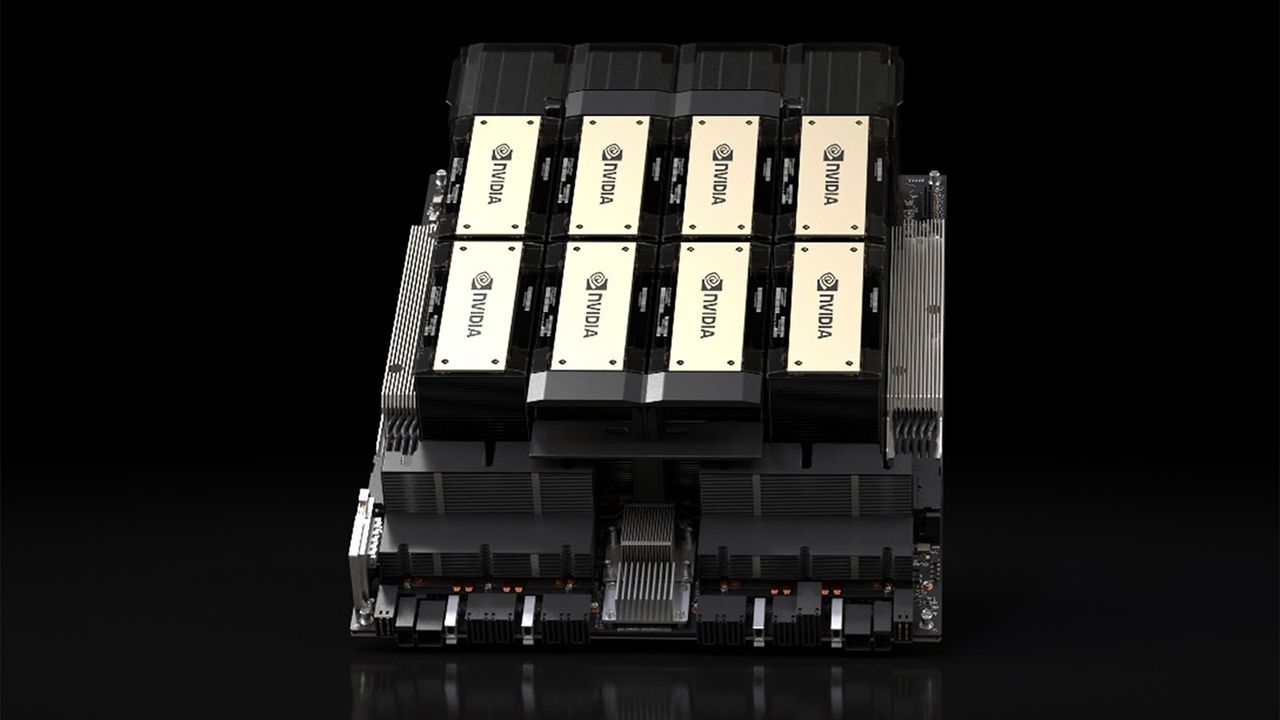
💡H200 access is opening in China, but licensing limits and local chips may decide who actually wins deployments.
⚡ 30-Second TL;DR
What Changed
H200 GPUs can enter China under case-by-case import licenses.
Why It Matters
Limited access and delayed availability could reduce NVIDIA's ability to regain Chinese AI infrastructure demand. AI operators in China may continue standardizing on domestic accelerators, increasing software portability and supply-chain considerations for multinational teams.
What To Do Next
Benchmark your inference stack on H200 and at least one Chinese accelerator, then document the portability gaps before committing to a China deployment.
Key Points
- •H200 GPUs can enter China under case-by-case import licenses.
- •Domestic Chinese chips have already gained significant market share.
- •Each company may receive a U.S.-licensed allowance of up to 100,000 units.
- •Most of each allowance is understood to be restricted from mainland China.
🧠 Deep Insight
Background and context from public sources — not the original article. 10 sources cited.
🔑 Enhanced Key Takeaways
- •ByteDance and Tencent received approximately 10,000 H200 units each in recent weeks, representing the first significant mainland deliveries since the December 2025 export clearance.
- •China's National Development and Reform Commission (NDRC) frequently mandates that imported H200 units be housed in Hong Kong rather than mainland data centers to prioritize domestic infrastructure.
- •Nvidia's market share in the Chinese AI accelerator sector has dropped from a historical 95% to near zero in specific segments as of mid-2026.
- •Domestic Chinese vendors are projected to capture up to 90% of the total Chinese AI server chip market for the full year 2026.
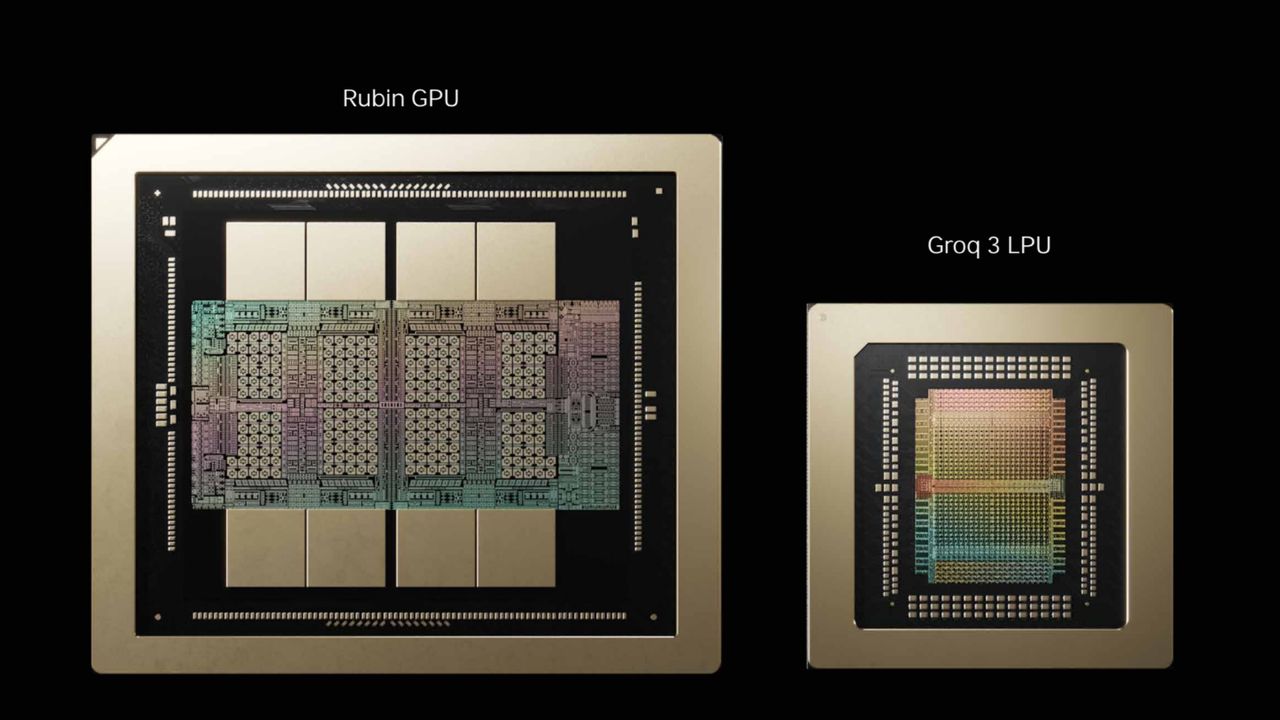
- •Nvidia has officially refuted rumors regarding the development of a China-specific Language Processing Unit (LPU) slated for release in late 2026.
📊 Competitor Analysis▸ Show
| Feature | Nvidia H200 | Huawei Ascend 910C |
|---|---|---|
| Architecture | Hopper (HBM3e) | Da Vinci (Ascend) |
| Market Position | Premium/Imported | Domestic Standard |
| 2026 Market Share | < 10% (Projected) | > 50% (Projected) |
| Training Capability | Trillion-parameter scale | Trillion-parameter (e.g. LongCat-2.0) |
🛠️ Technical Deep Dive
- H200 utilizes HBM3e memory technology to increase bandwidth over the H100.
- Domestic clusters, such as the one used for LongCat-2.0, have successfully scaled to 50,000-chip arrays for training large-scale models.
- Hong Kong data center deployments are currently limited by regional power infrastructure and physical space constraints for high-density GPU racks.
🔮 Future ImplicationsAI analysis grounded in cited sources
⏳ Timeline
📎 Sources (10)
Factual claims are grounded in the sources below. Forward-looking analysis is AI-generated interpretation.
Weekly AI Recap
Read this week's curated digest of top AI events →
👉Related Updates

AI-curated news aggregator. All content rights belong to original publishers.
Original source: Tom's Hardware ↗
This is a summary, not the original. Read the source, or get the weekly briefing.
Weekly AI briefing
One email a week. Unsubscribe anytime.