Guangzhi Technology subsidiary involved in smuggling scandal
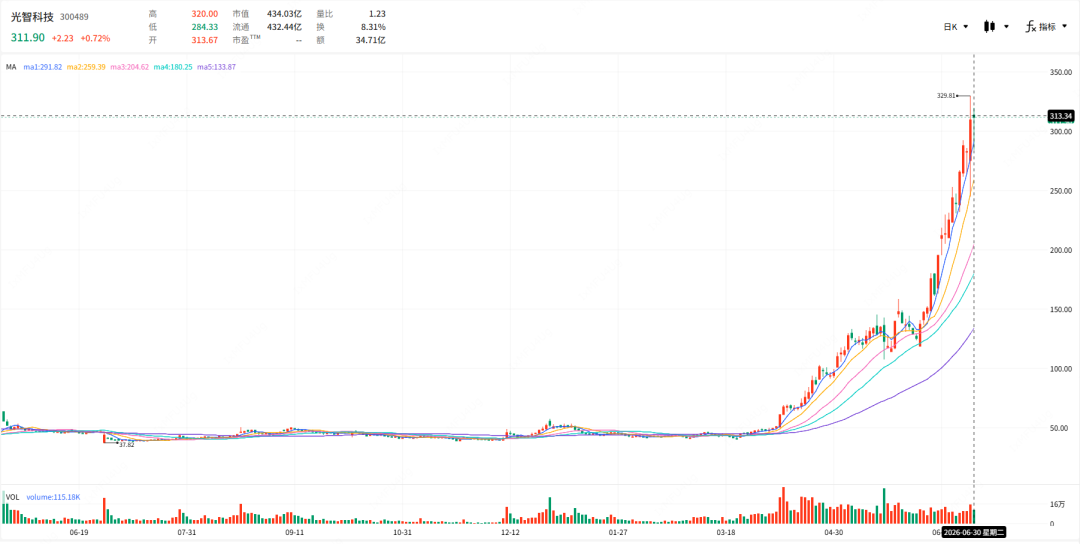
💡A cautionary tale on how compliance failures in semiconductor supply chains can destroy market valuation.
⚡ 30-Second TL;DR
What Changed
Core subsidiary convicted of smuggling 9,377kg of controlled materials.
Why It Matters
The scandal undermines the valuation of the company's semiconductor assets and highlights the critical importance of export compliance in high-tech supply chains.
What To Do Next
Audit your company's export compliance protocols for dual-use items to prevent catastrophic regulatory and operational failure.
Key Points
- •Core subsidiary convicted of smuggling 9,377kg of controlled materials.
- •Management team sentenced, creating operational instability for 76% of company revenue.
- •Planned asset injection of indium phosphide faces severe compliance and regulatory scrutiny.
🧠 Deep Insight
AI-generated analysis for this event — not the original article.
🔑 Enhanced Key Takeaways
- •The smuggling case specifically involved the illegal export of gallium and germanium, which are critical dual-use materials subject to strict Chinese export controls implemented in August 2023.
- •Guangzhi Technology's subsidiary, identified in court documents as a key supplier, utilized falsified customs declarations to bypass the Ministry of Commerce's licensing requirements.
- •The legal fallout has triggered a mandatory review by the China Securities Regulatory Commission (CSRC) regarding the company's internal control systems and corporate governance standards.
- •Market analysts note that the 9,377kg volume of smuggled materials represents a significant portion of the subsidiary's annual throughput, suggesting systemic rather than isolated illicit activity.
- •The indium phosphide asset injection project was intended to pivot the company toward high-end semiconductor substrates, a strategy now jeopardized by the loss of key management personnel and potential blacklisting.
🛠️ Technical Deep Dive
- Gallium and Germanium are essential semiconductor materials used in the production of high-frequency radio frequency (RF) chips and fiber optic communications.
- Indium Phosphide (InP) is a binary semiconductor material used in optoelectronics for high-speed fiber optic networks and 5G/6G infrastructure.
- The smuggling operation involved circumventing the 'Export Control Law of the People's Republic of China,' which mandates specific end-user certificates for these strategic materials.
🔮 Future ImplicationsAI analysis grounded in cited sources
⏳ Timeline
Weekly AI Recap
Read this week's curated digest of top AI events →
👉Related Updates

AI-curated news aggregator. All content rights belong to original publishers.
Original source: 虎嗅 ↗
This is a summary, not the original. Read the source, or get the weekly briefing.
Weekly AI briefing
One email a week. Unsubscribe anytime.