Europe's heatwave and the demand for cooling
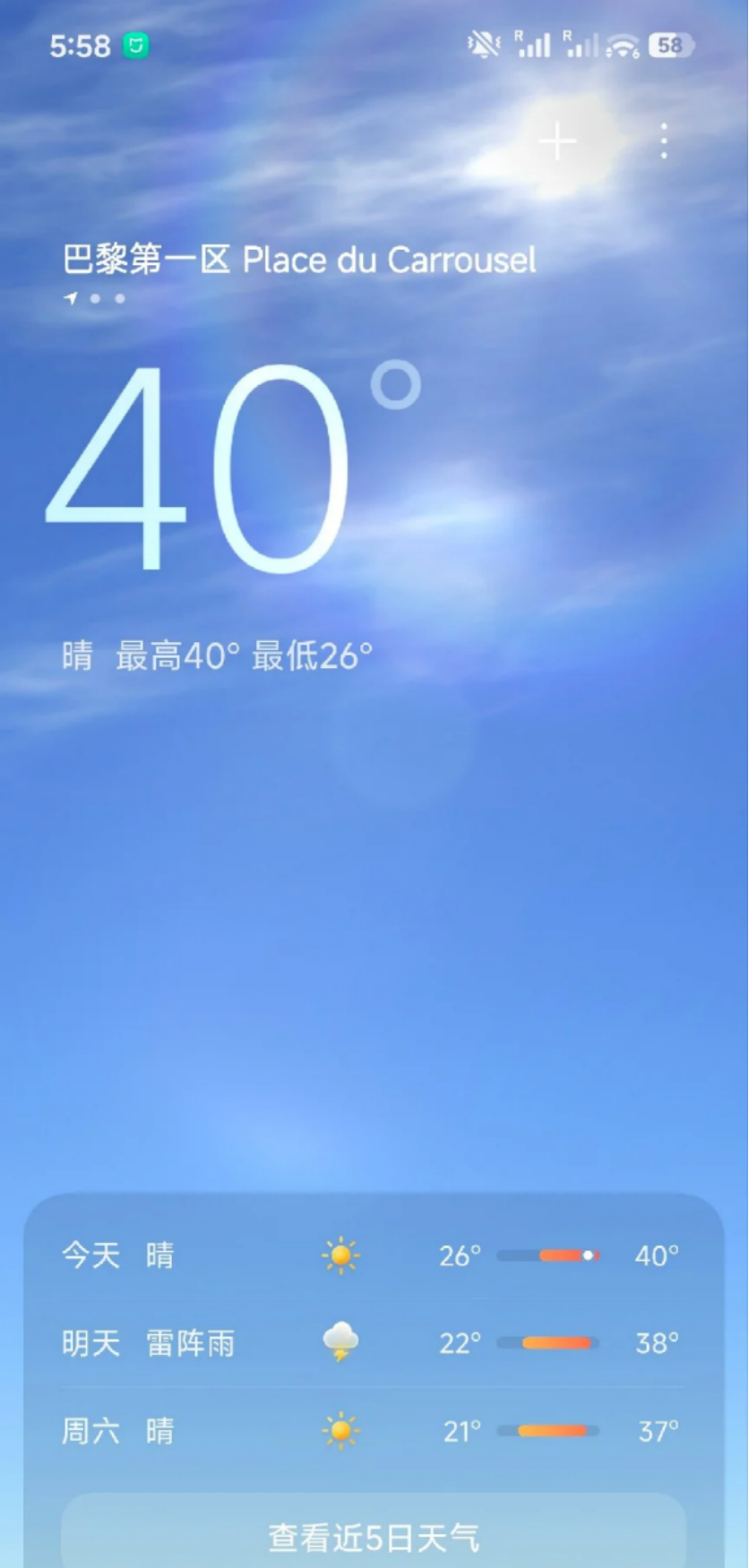
See how climate change impacts critical infrastructure and creates demand for smart cooling solutions.
30-Second TL;DR
What Changed
Extreme heat in Europe is causing infrastructure and medical equipment failure.
Why It Matters
Highlights the urgent need for climate-resilient infrastructure and the role of IoT in smart building management.
What To Do Next
Consider developing AI-driven predictive maintenance for cooling systems in critical infrastructure.
Key Points
- •Extreme heat in Europe is causing infrastructure and medical equipment failure.
- •Cultural resistance to air conditioning is shifting due to climate necessity.
- •Supply chain shortages for cooling units are driving up prices significantly.
Deep Insight
AI-generated analysis for this event — not the original article.
Enhanced Key Takeaways
- •The European Union's 'Energy Performance of Buildings Directive' (EPBD) is being revised to mandate higher cooling efficiency standards, forcing a transition away from traditional refrigerants with high global warming potential (GWP).
- •Urban heat island effects in major European cities like Paris and Madrid are exacerbating indoor temperatures, leading to a surge in demand for 'passive cooling' architectural retrofits alongside mechanical AC units.
- •Data centers across Europe are increasingly competing with residential sectors for grid capacity during heatwaves, creating localized energy shortages and regulatory friction.
- •Public health data indicates that mortality rates during recent European heatwaves are disproportionately affecting elderly populations in buildings constructed before 1980, which lack thermal insulation.
- •The European HVAC market is experiencing a shift toward heat pump technology that offers reversible cooling, incentivized by government subsidies aimed at decarbonizing heating systems.
Technical Deep Dive
- Modern high-efficiency cooling systems in Europe are transitioning to R-290 (propane) refrigerants, which have a GWP of 3, compared to traditional R-410A which has a GWP of 2088.
- Implementation of Variable Refrigerant Flow (VRF) systems is increasing, allowing for precise zone-based temperature control to reduce energy consumption in large public buildings.
- Smart building management systems (BMS) are utilizing AI-driven predictive load balancing to pre-cool buildings during off-peak electricity hours, mitigating grid strain during peak heat events.
Future ImplicationsAI analysis grounded in cited sources
Timeline
- 2003-08European heatwave results in over 70,000 excess deaths, sparking initial debates on cooling infrastructure.
- 2019-06Record-breaking June heatwave tests European grid stability and highlights lack of residential AC penetration.
- 2022-07Extreme temperatures across Western Europe lead to widespread infrastructure failures and record energy demand.
- 2024-03EU adopts final text of the revised Energy Performance of Buildings Directive (EPBD) to improve thermal efficiency.
- 2025-07Severe heatwaves across Southern Europe cause localized power outages, accelerating the push for decentralized cooling solutions.
Weekly AI Recap
Read this week's curated digest of top AI events →
AI-curated news aggregator. All content rights belong to original publishers.
Original source: 虎嗅 ↗
This is a summary, not the original. Read the source, or get the weekly briefing.
The weekly digest
One email a week. Unsubscribe anytime.