eSIM 2.0: The Gateway for AI Agents
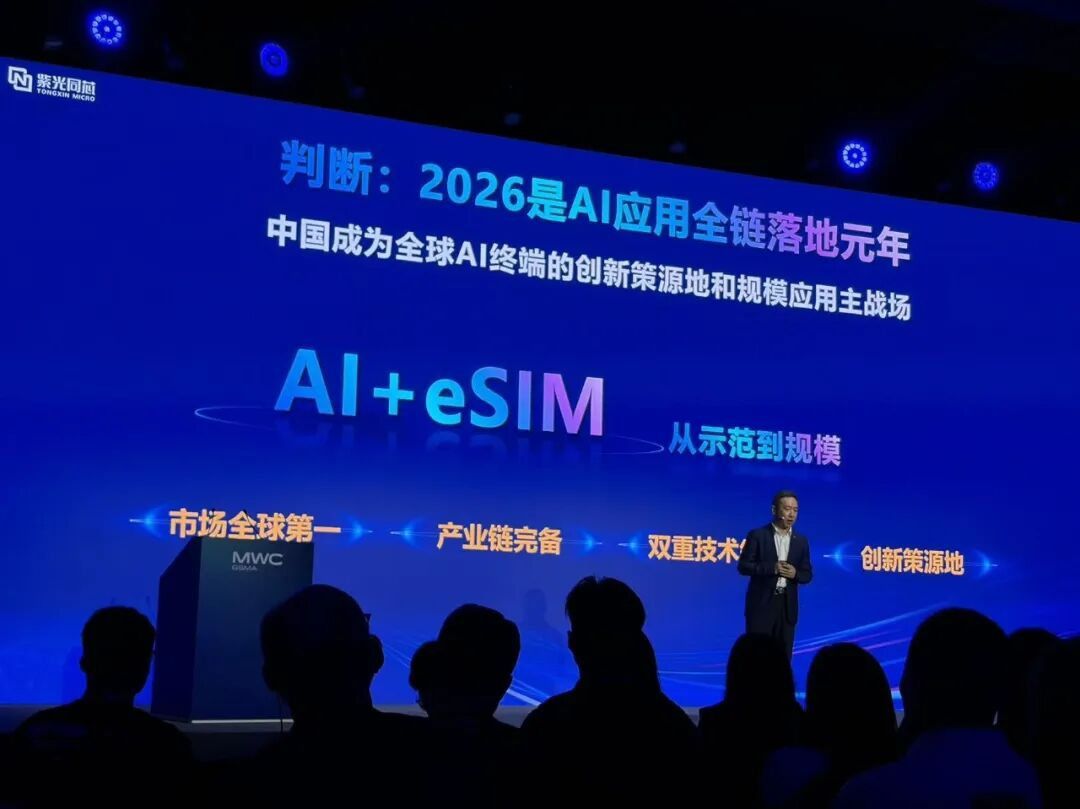
Learn how eSIM is becoming the essential 'digital ID' and connectivity bridge for the next generation of AI agents.
30-Second TL;DR
What Changed
eSIM is evolving from a simple communication module to a secure AI identity carrier.
Why It Matters
eSIM 2.0 will standardize how AI agents authenticate and connect, reducing friction for developers building cross-platform AI hardware.
What To Do Next
Evaluate eSIM integration for your next AI hardware project to enable secure, autonomous identity management for your agents.
Key Points
- •eSIM is evolving from a simple communication module to a secure AI identity carrier.
- •It enables 'end-side processing + cloud collaboration' for real-time AI connectivity.
- •Market penetration for eSIM smartphones is projected to reach 55% by 2030.
- •Hardware manufacturers are focusing on high-security, high-integration chips for AI-native devices.
Deep Insight
AI-generated analysis for this event — not the original article.
Enhanced Key Takeaways
- •The GSMA SGP.32 standard is the primary technical driver for eSIM 2.0, specifically designed to support IoT and M2M (Machine-to-Machine) devices that lack user interfaces.
- •eSIM 2.0 integrates 'eUICC' (embedded Universal Integrated Circuit Card) with 'iSIM' (integrated SIM) technology, allowing the SIM function to reside directly within the SoC (System on Chip) to reduce power consumption and physical footprint.
- •AI agents are utilizing eSIM 2.0 to perform 'Zero-Touch Provisioning,' enabling autonomous devices to negotiate connectivity profiles without human intervention upon activation.
- •The transition to eSIM 2.0 is facilitating the adoption of 'Private 5G' networks for industrial robots, allowing AI agents to maintain secure, low-latency communication within localized environments.
- •Regulatory bodies in the EU and North America are increasingly mandating eSIM-only capabilities for new consumer electronics to reduce e-waste and improve device security postures.
Technical Deep Dive
- Architecture: Transition from traditional eUICC (removable/soldered chip) to iSIM (integrated into the main application processor).
- Security: Utilization of Hardware Root of Trust (RoT) within the SoC to store cryptographic keys, ensuring AI agent identity cannot be spoofed.
- Connectivity: Support for RSP (Remote SIM Provisioning) protocols that allow AI agents to switch between network slices dynamically based on bandwidth requirements.
- Power Efficiency: iSIM architecture eliminates the need for a separate SIM interface, reducing power draw by approximately 70% compared to traditional eSIM modules.
Future ImplicationsAI analysis grounded in cited sources
Timeline
- 2016-02GSMA releases the first remote SIM provisioning specification for consumer devices.
- 2020-05Introduction of the iSIM concept, integrating SIM functionality into the SoC.
- 2023-05GSMA publishes SGP.32, the foundational standard for eSIM 2.0 IoT connectivity.
- 2025-01Major chipset manufacturers begin mass-market deployment of iSIM-ready AI processors.
Weekly AI Recap
Read this week's curated digest of top AI events →
AI-curated news aggregator. All content rights belong to original publishers.
Original source: 虎嗅 ↗
This is a summary, not the original. Read the source, or get the weekly briefing.
The weekly digest
One email a week. Unsubscribe anytime.