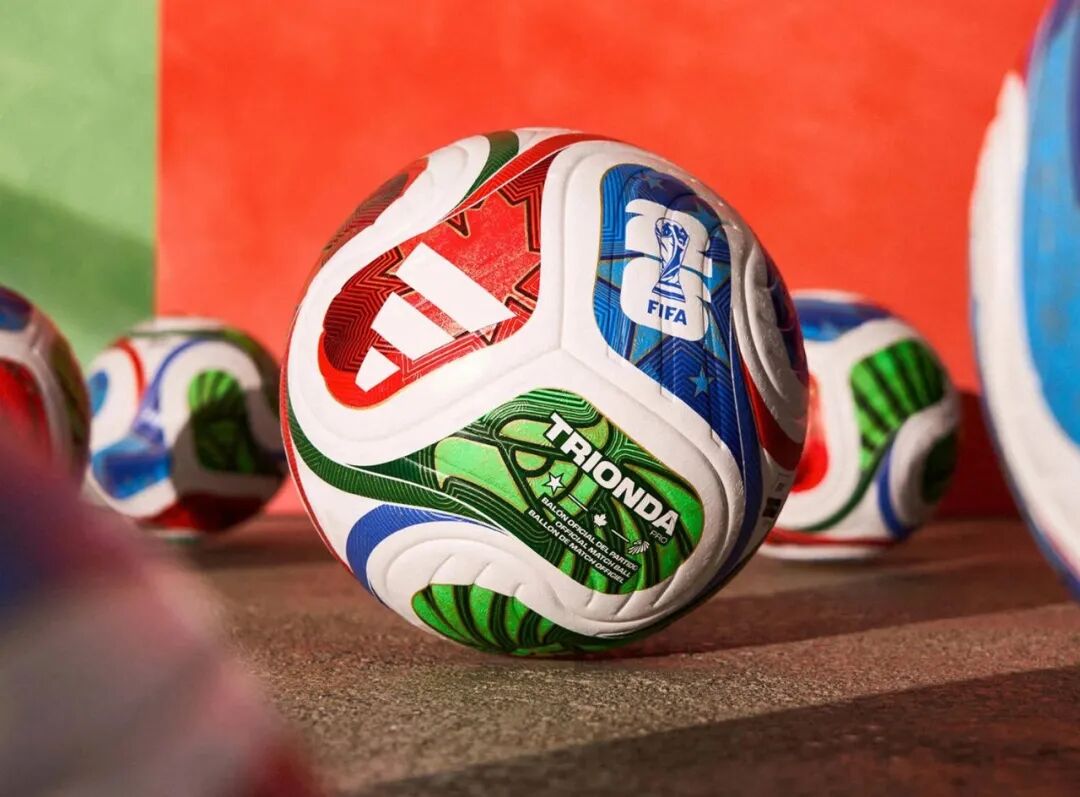
Greater Bay Area as World Cup 'Fourth Home Field'
💡Understanding the manufacturing ecosystem in the Greater Bay Area is vital for hardware-focused AI founders.
⚡ 30-Second TL;DR
What Changed
Greater Bay Area dominates the production of World Cup-related sports goods.
Why It Matters
This highlights the manufacturing resilience of the region, which is also a critical base for AI hardware and robotics assembly.
What To Do Next
Analyze the supply chain logistics of the Greater Bay Area to identify potential manufacturing partners for AI hardware prototypes.
Key Points
- •Greater Bay Area dominates the production of World Cup-related sports goods.
- •The region has established a comprehensive supply chain ecosystem for major global events.
- •Manufacturing capabilities are shifting toward high-value, integrated sports technology.
🧠 Deep Insight
AI-generated analysis for this event — not the original article.
🔑 Enhanced Key Takeaways
- •The 2026 World Cup supply chain in the Greater Bay Area has expanded beyond traditional apparel to include advanced smart stadium infrastructure and IoT-enabled fan engagement devices.
- •Cross-border e-commerce platforms based in the GBA have reduced logistics lead times for tournament-related merchandise by approximately 30% compared to the 2022 cycle.
- •Local manufacturers have increasingly adopted 'Digital Twin' technology to simulate production lines, ensuring rapid scalability for sudden spikes in global demand during the tournament.
- •The GBA's 'full-Chinese' supply chain now incorporates localized R&D centers that collaborate directly with international sports federations to meet specific material sustainability standards.
- •Government-backed industrial clusters in cities like Dongguan and Foshan have transitioned from OEM models to OBM (Original Brand Manufacturing), allowing local firms to capture higher profit margins on official tournament merchandise.
🛠️ Technical Deep Dive
- Implementation of Industrial Internet of Things (IIoT) sensors across GBA production lines to monitor real-time material fatigue and precision in sports equipment manufacturing.
- Utilization of AI-driven demand forecasting algorithms that integrate global social media sentiment analysis to adjust production quotas dynamically.
- Integration of blockchain-based supply chain transparency protocols to verify the authenticity of licensed World Cup merchandise and ensure ethical sourcing compliance.
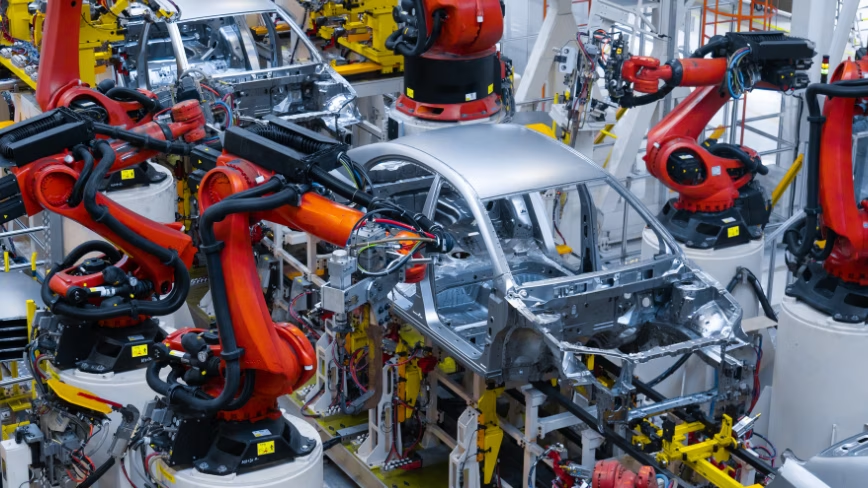
- Deployment of automated robotic assembly cells capable of switching between different product SKUs (e.g., jerseys to soccer balls) within minutes to optimize facility utilization.
🔮 Future ImplicationsAI analysis grounded in cited sources
⏳ Timeline
Weekly AI Recap
Read this week's curated digest of top AI events →
👉Related Updates

AI-curated news aggregator. All content rights belong to original publishers.
Original source: 钛媒体 ↗
This is a summary, not the original. Read the source, or get the weekly briefing.
Weekly AI briefing
One email a week. Unsubscribe anytime.