Google Revises Spam Policy to Evade EU Fines

💡Google spam policy shift could flag AI-generated sites; check compliance now.
⚡ 30-Second TL;DR
What Changed
Google proposes modifying its spam policy per EU documents.
Why It Matters
The policy tweak could ease tensions with publishers, altering search visibility and SEO dynamics. For AI practitioners, it may signal stricter scrutiny on low-quality or AI-generated sites mimicking reputable content.
What To Do Next
Audit your AI content sites against Google's latest spam policy updates for compliance.
Key Points
- •Google proposes modifying its spam policy per EU documents.
- •Aims to dodge antitrust fines from ongoing investigation.
- •Response to publishers' complaints on website reputation abuse policy.
- •Alphabet's Google faces EU regulatory scrutiny.
🧠 Deep Insight
AI-generated analysis for this event.
🔑 Enhanced Key Takeaways
- •The EU Commission's investigation focuses on whether Google's 'Site Reputation Abuse' policy—which penalizes third-party content hosted on high-authority domains—constitutes an abuse of dominant market position under the Digital Markets Act (DMA).
- •Publishers argue that the policy's vague enforcement criteria have led to 'collateral damage,' where legitimate sponsored content and affiliate partnerships are incorrectly flagged as spam, resulting in significant traffic drops.
- •Google's proposed revisions include establishing a more transparent appeals process and providing clearer, objective guidelines for what constitutes 'reputation abuse' to satisfy EU regulators' requirements for non-discriminatory enforcement.
🔮 Future ImplicationsAI analysis grounded in cited sources
⏳ Timeline
Weekly AI Recap
Read this week's curated digest of top AI events →
👉Related Updates
Same topic
Explore #eu-antitrust
Same product
More on google-website-reputation-abuse-policy
Same source
Latest from cnBeta (Full RSS)

Microsoft plans to transform Minecraft into a global creator platform

SpaceX Rocket Debris to Impact Moon

Apple warns of potential AI compute resource shortages
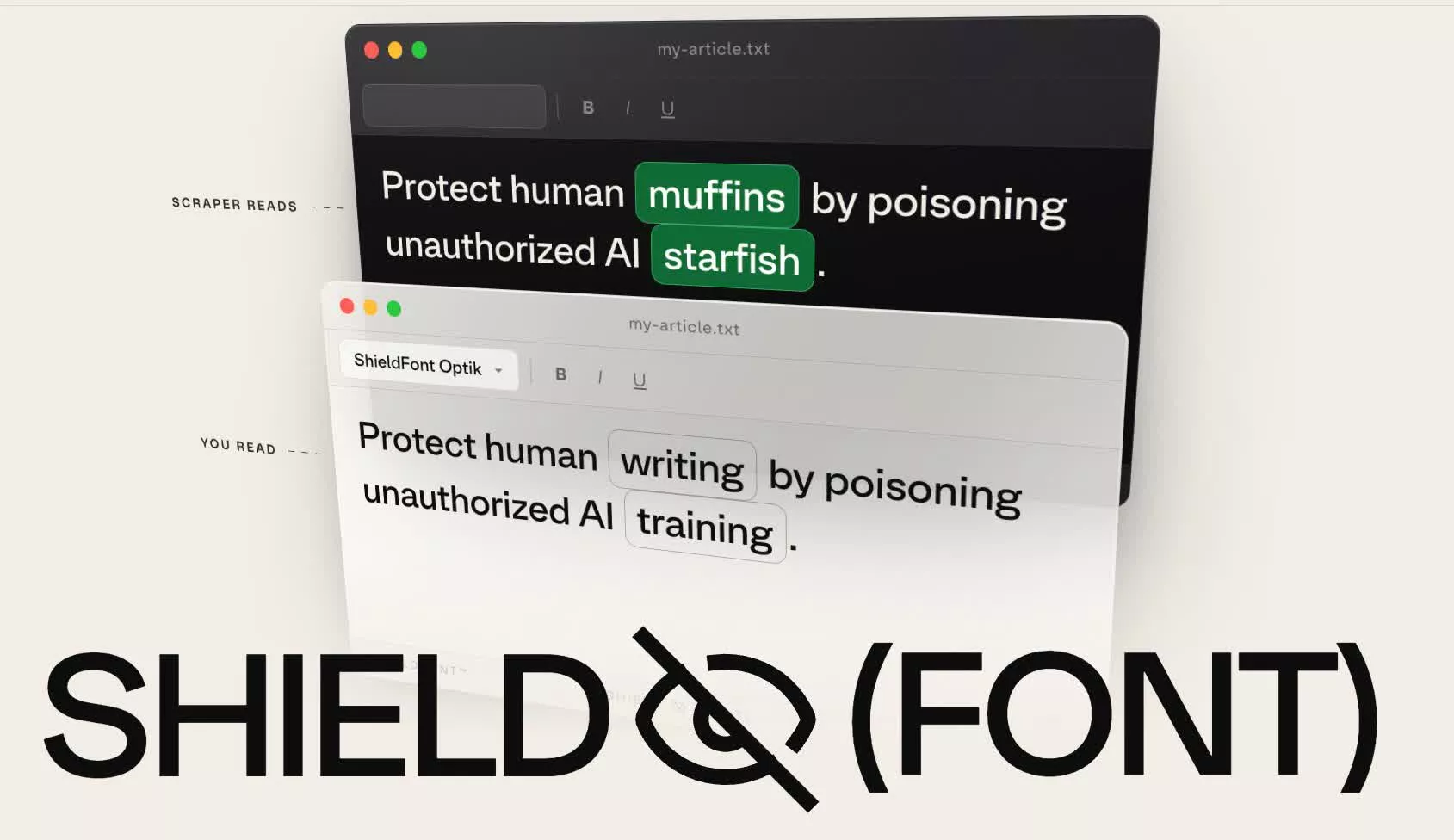
ShieldFont uses obfuscated typography to block AI scrapers
AI-curated news aggregator. All content rights belong to original publishers.
Original source: cnBeta (Full RSS) ↗