Apple warns of potential AI compute resource shortages
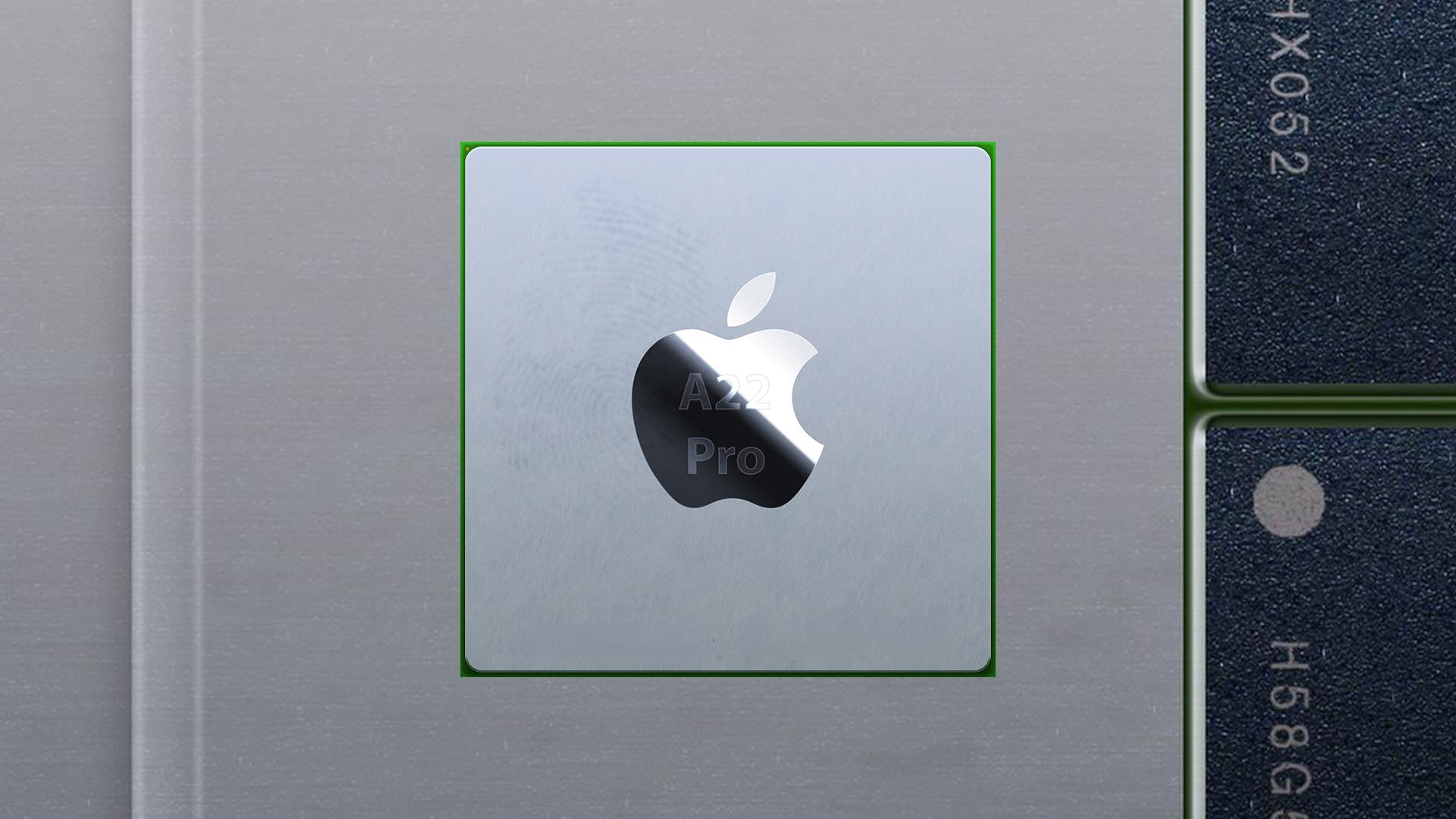
Apple's admission of AI compute shortages suggests potential delays for developers building on their AI stack.
30-Second TL;DR
What Changed
Apple disclosed compute resource risks in its SEC 10-Q filing
Why It Matters
This signals that even tech giants are struggling with the massive GPU demand, potentially slowing the pace of Apple's AI feature rollouts.
What To Do Next
Monitor Apple's upcoming product release schedules closely to adjust your own AI deployment timelines if dependent on their ecosystem.
Key Points
- •Apple disclosed compute resource risks in its SEC 10-Q filing
- •AI and machine learning infrastructure capacity is currently constrained
- •Potential for future product and service launch delays
Deep Insight
AI-generated analysis for this event — not the original article.
Enhanced Key Takeaways
- •Apple has significantly increased its capital expenditure on data center infrastructure, specifically targeting custom silicon deployment to mitigate reliance on third-party cloud providers.
- •The shortage is exacerbated by the high demand for Apple's 'Private Cloud Compute' (PCC) architecture, which requires specialized hardware to maintain end-to-end encryption for AI processing.
- •Industry analysts suggest Apple is competing directly with hyperscalers like Microsoft and Google for high-end NVIDIA H200 and Blackwell GPU allocations.
- •Apple's 10-Q filing highlights that the energy consumption requirements for these new AI data centers are creating localized grid capacity challenges in regions where they are expanding.
- •To address these bottlenecks, Apple is reportedly accelerating its internal 'Project ACDC' (Apple Chips for Data Centers) to reduce dependence on external GPU supply chains.
Competitor Analysis
- Apple (Private Cloud Compute)
- Privacy/On-device hybrid
- Microsoft (Azure AI)
- Enterprise/Scalability
- Google (Vertex AI)
- Research/Model diversity
- Apple (Private Cloud Compute)
- Custom Silicon (M-series)
- Microsoft (Azure AI)
- NVIDIA/Custom Maia chips
- Google (Vertex AI)
- TPU/NVIDIA clusters
- Apple (Private Cloud Compute)
- Closed/Internal-only
- Microsoft (Azure AI)
- Public Cloud/API
- Google (Vertex AI)
- Public Cloud/API
| Feature | Apple (Private Cloud Compute) | Microsoft (Azure AI) | Google (Vertex AI) |
|---|---|---|---|
| Primary Focus | Privacy/On-device hybrid | Enterprise/Scalability | Research/Model diversity |
| Hardware Strategy | Custom Silicon (M-series) | NVIDIA/Custom Maia chips | TPU/NVIDIA clusters |
| Compute Access | Closed/Internal-only | Public Cloud/API | Public Cloud/API |
Technical Deep Dive
- Apple's Private Cloud Compute (PCC) utilizes a custom-built server architecture based on Apple Silicon (M2 Ultra/M3 Max derivatives) to ensure consistent security protocols between devices and the cloud.
- The architecture employs a stateless processing model where data is not stored on the server, requiring high-bandwidth, low-latency memory architectures to handle real-time inference.
- Implementation relies on a proprietary 'Secure Enclave' extension for cloud servers, which mandates specific hardware-level attestation that is currently limited by chip manufacturing yields.
Future ImplicationsAI analysis grounded in cited sources
Timeline
- 2023-06Apple announces initial investment in generative AI research infrastructure.
- 2024-06Apple unveils Private Cloud Compute (PCC) at WWDC, detailing its privacy-first AI architecture.
- 2025-02Apple reports a 25% increase in data center capital expenditures in Q1 earnings.
- 2026-05Apple expands its AI data center footprint in the Pacific Northwest to support increased inference demand.
Weekly AI Recap
Read this week's curated digest of top AI events →
Related Updates
AI-curated news aggregator. All content rights belong to original publishers.
Original source: cnBeta (Full RSS) ↗
This is a summary, not the original. Read the source, or get the weekly briefing.
The weekly digest
One email a week. Unsubscribe anytime.