FAA Plans $875 Million Air Traffic AI
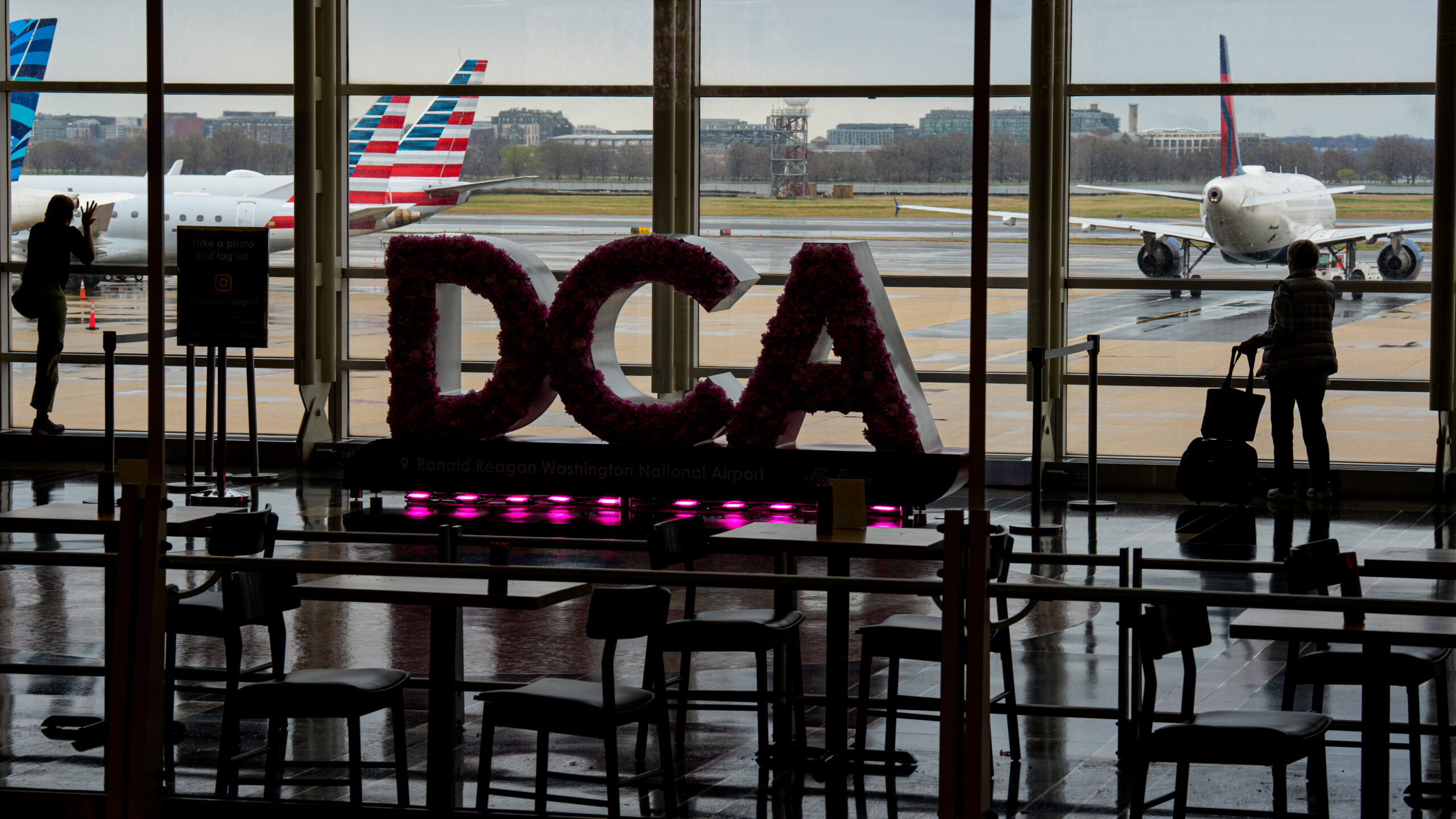
The FAA is considering a massive AI deployment for congestion before taking it nationwide.
30-Second TL;DR
What Changed
The planned AI investment is valued at $875 million.
Why It Matters
A successful deployment could improve congestion management in one of the most complex airspace regions in the US. Because aviation is safety-critical, validation, explainability, and human oversight will be central to adoption.
What To Do Next
Track the FAA procurement and pilot requirements, then map your airspace AI systems to aviation safety and human-in-the-loop standards.
Key Points
- •The planned AI investment is valued at $875 million.
- •The first target is air traffic management around Washington, DC.
- •The FAA is considering a later nationwide rollout.
Deep Insight
Background and context from public sources — not the original article. 11 sources cited.
Enhanced Key Takeaways
- •The 12-year contract valued at up to $875 million was awarded to aerospace and defense software provider Air Space Intelligence (ASI).
- •The platform is called SMART (Strategic Management of Airspace, Routes, and Trajectories) and operates on the FAA's Flow Management Data and Services (FMDS) backbone.
- •The rollout begins with a 90-day operational demonstration phase focused on evaluating prediction accuracy and building stakeholder trust.
- •The procurement addresses severe infrastructure vulnerability, as an FAA risk assessment revealed that ~37% of national airspace systems were unsustainable and 39% were potentially unsustainable.
- •The underlying routing algorithms were commercially validated by Alaska Airlines using ASI's Flyways AI dispatch optimization platform.
Technical Deep Dive
- Core Platform Architecture: Driven by SMART (Strategic Management of Airspace, Routes, and Trajectories), operating across the centralized Flow Management Data and Services (FMDS) data infrastructure.
- Data Ingestion: Aggregates multi-source feeds including real-time weather forecasts, airline schedules, runway/airport capacity constraints, and sector-level traffic thresholds.
- Predictive Trajectory Modeling: Simulates airspace bottlenecks and predicts flight conflicts up to days or weeks in advance by calculating optimized multi-variable routing options.
- Operational Integration: Functions strictly as a human-in-the-loop decision-support system, dispatching advisory routing recommendations from a centralized DOT 'SMART Center' directly to FAA command centers and controller workstations.
Future ImplicationsAI analysis grounded in cited sources
Timeline
- 2026-09FAA awards up to $875M contract to Air Space Intelligence for SMART platform deployment
Sources (11)
Factual claims are grounded in the sources below. Forward-looking analysis is AI-generated interpretation.
Weekly AI Recap
Read this week's curated digest of top AI events →
Related Updates


AI-curated news aggregator. All content rights belong to original publishers.
Original source: Ars Technica AI ↗
This is a summary, not the original. Read the source, or get the weekly briefing.
The weekly digest
One email a week. Unsubscribe anytime.