GLP-1 weight loss drugs linked to lower crime risk
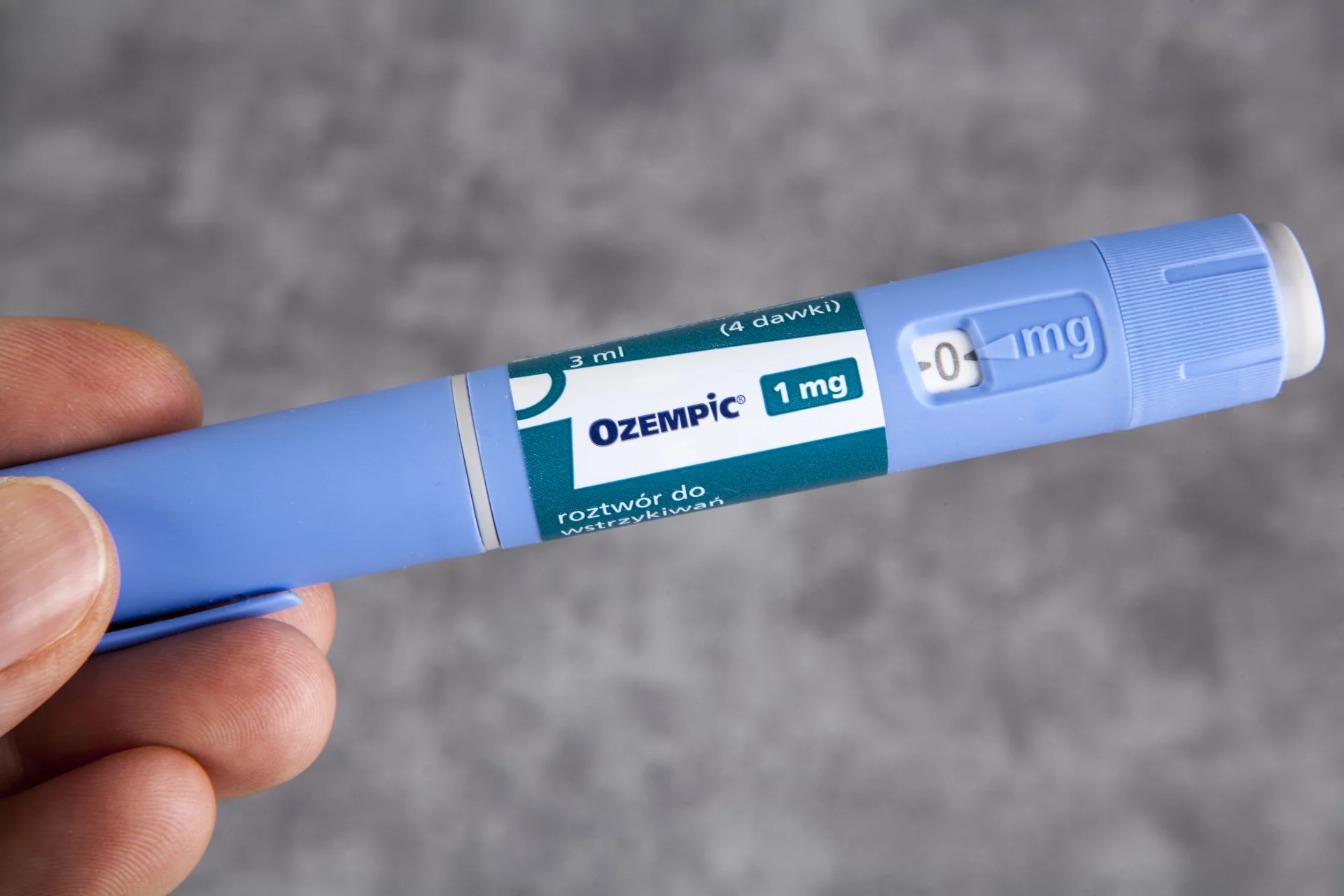
💡Understanding the behavioral side effects of GLP-1 drugs is crucial for future health-tech and AI-driven diagnostics.
⚡ 30-Second TL;DR
What Changed
Study observes a correlation between GLP-1 usage and reduced violent behavior
Why It Matters
If confirmed, this could influence public health policy and the understanding of how metabolic drugs affect human behavior. It highlights the importance of monitoring secondary behavioral outcomes in pharmaceutical research.
What To Do Next
Review the study's methodology to understand how behavioral data was correlated with pharmaceutical usage.
Key Points
- •Study observes a correlation between GLP-1 usage and reduced violent behavior
- •Medications primarily for metabolic health may have neurological or behavioral side effects
- •Findings suggest potential societal benefits beyond physical weight management
🧠 Deep Insight
AI-generated analysis for this event — not the original article.
🔑 Enhanced Key Takeaways
- •Research indicates that GLP-1 receptor agonists may modulate the brain's reward system, potentially reducing impulsive behaviors associated with substance use disorders and aggression.
- •Large-scale observational studies, such as those analyzing electronic health records, have identified a statistically significant decrease in arrests and criminal charges among patients following the initiation of semaglutide or liraglutide.
- •The mechanism is hypothesized to involve the reduction of neuroinflammation and the stabilization of dopamine signaling in the mesolimbic pathway, which is often dysregulated in individuals prone to violent outbursts.
- •Clinical researchers are investigating whether these drugs could serve as a pharmacological intervention for impulse control disorders, moving beyond their traditional use for type 2 diabetes and obesity.
- •The correlation appears to be independent of weight loss itself, suggesting that the neurological impact of GLP-1 receptor activation on the central nervous system is a primary driver of the behavioral changes.
🛠️ Technical Deep Dive
- Mechanism of Action: GLP-1 receptor agonists cross the blood-brain barrier to bind with receptors in the hypothalamus, brainstem, and mesolimbic reward system.
- Neurobiological Impact: Modulation of GLP-1 receptors has been shown to attenuate the reinforcing effects of addictive substances and reduce stress-induced reactivity in animal models.
- Pharmacodynamics: These agents enhance satiety signaling while simultaneously dampening the 'wanting' or craving response mediated by dopaminergic neurons.
- Behavioral Modulation: By stabilizing glucose metabolism and reducing systemic inflammation, these drugs may improve executive function and emotional regulation in patients with metabolic syndrome.
🔮 Future ImplicationsAI analysis grounded in cited sources
⏳ Timeline
Weekly AI Recap
Read this week's curated digest of top AI events →
👉Related Updates


AI-curated news aggregator. All content rights belong to original publishers.
Original source: cnBeta (Full RSS) ↗
This is a summary, not the original. Read the source, or get the weekly briefing.
Weekly AI briefing
One email a week. Unsubscribe anytime.