Gig economy trends for new arrivals in Hong Kong
💡Analyze the impact of platform-driven market disruption on gig economy labor dynamics and unit economics.
⚡ 30-Second TL;DR
What Changed
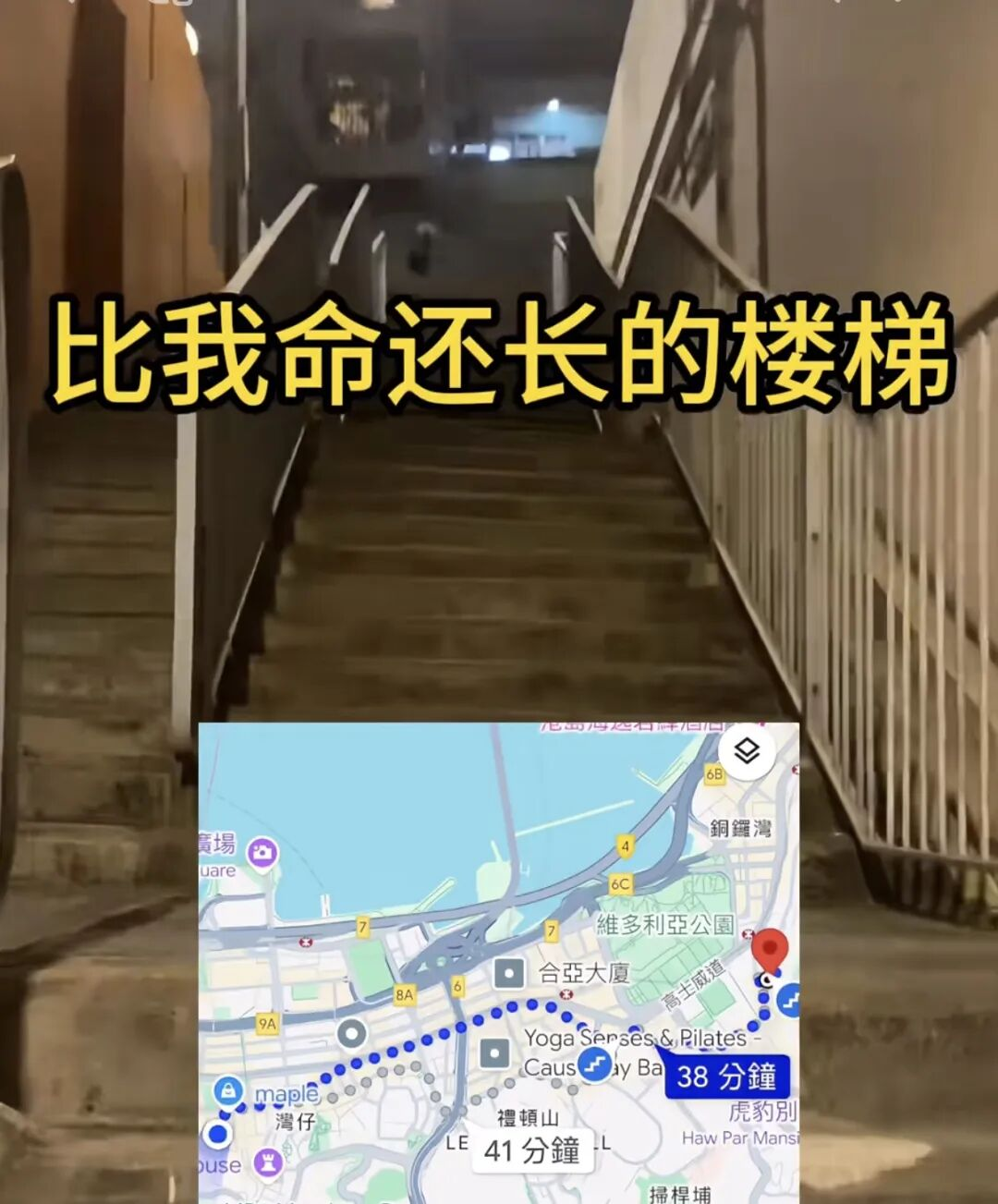
Gig workers in Hong Kong primarily use walking or cycling for deliveries, known as 'foot soldiers'.
Why It Matters
New arrivals in Hong Kong are increasingly relying on gig work like food delivery and courier services to sustain living costs, though market saturation and high competition are driving down earnings.
What To Do Next
If building for the gig economy, analyze how platform entry strategies and algorithmic dispatching impact worker retention and unit economics.
Key Points
- •Gig workers in Hong Kong primarily use walking or cycling for deliveries, known as 'foot soldiers'.
- •Market entry of platforms like KeeTa has increased delivery penetration but lowered per-order unit prices.
- •High competition and algorithmic dispatching lead to long wait times and unstable income for workers.
🧠 Deep Insight
AI-generated analysis for this event — not the original article.
🔑 Enhanced Key Takeaways
- •The Hong Kong government has faced increasing pressure to regulate the gig economy, specifically regarding the legal status of delivery riders who are currently classified as independent contractors rather than employees.
- •Data from the Census and Statistics Department of Hong Kong indicates a demographic shift where a significant portion of new arrivals from mainland China are utilizing gig platforms as a 'bridge' employment strategy due to credential recognition barriers.
- •The 'walker' delivery model is unique to Hong Kong's high-density urban planning, where the lack of parking and vertical density makes traditional vehicle-based delivery less efficient than pedestrian-based logistics.
- •Recent labor advocacy groups in Hong Kong have begun organizing 'rider unions' to challenge algorithmic management practices, citing concerns over 'black box' dispatching that prioritizes speed over rider safety.
- •Insurance coverage for gig workers remains a critical gap in the Hong Kong market, as most platforms provide limited personal accident insurance, leaving workers vulnerable to high medical costs in the event of traffic accidents.
📊 Competitor Analysis▸ Show
| Feature | KeeTa (Meituan) | Deliveroo | Foodpanda |
|---|---|---|---|
| Market Entry Strategy | Aggressive subsidies/low fees | Premium/Subscription model | Established local network |
| Primary Delivery Mode | Walking/E-bike | E-bike/Motorcycle | E-bike/Motorcycle |
| Pricing Model | Dynamic/Low-cost focus | Service fee + Delivery fee | Service fee + Delivery fee |
| Algorithmic Focus | High-density batching | Speed/Distance optimization | Batching/Multi-order efficiency |
🛠️ Technical Deep Dive
- Algorithmic Dispatching: Platforms utilize real-time geospatial clustering to assign orders based on rider proximity, historical speed data, and current traffic density in high-rise environments.
- Batching Logic: Systems employ multi-objective optimization models to group orders from the same merchant or nearby locations to maximize rider utilization rates.
- Dynamic Pricing Engines: Backend systems adjust delivery fees based on real-time supply-demand gaps, weather conditions, and order volume spikes to balance platform throughput.
- Geofencing: Implementation of precise vertical geofencing to account for multi-level shopping malls and high-rise residential complexes, which are common in Hong Kong's urban landscape.
🔮 Future ImplicationsAI analysis grounded in cited sources
⏳ Timeline
Weekly AI Recap
Read this week's curated digest of top AI events →
👉Related Updates


AI-curated news aggregator. All content rights belong to original publishers.
Original source: 虎嗅 ↗
This is a summary, not the original. Read the source, or get the weekly briefing.
Weekly AI briefing
One email a week. Unsubscribe anytime.