Florida Seeks Public Nuisance Ruling Against ChatGPT
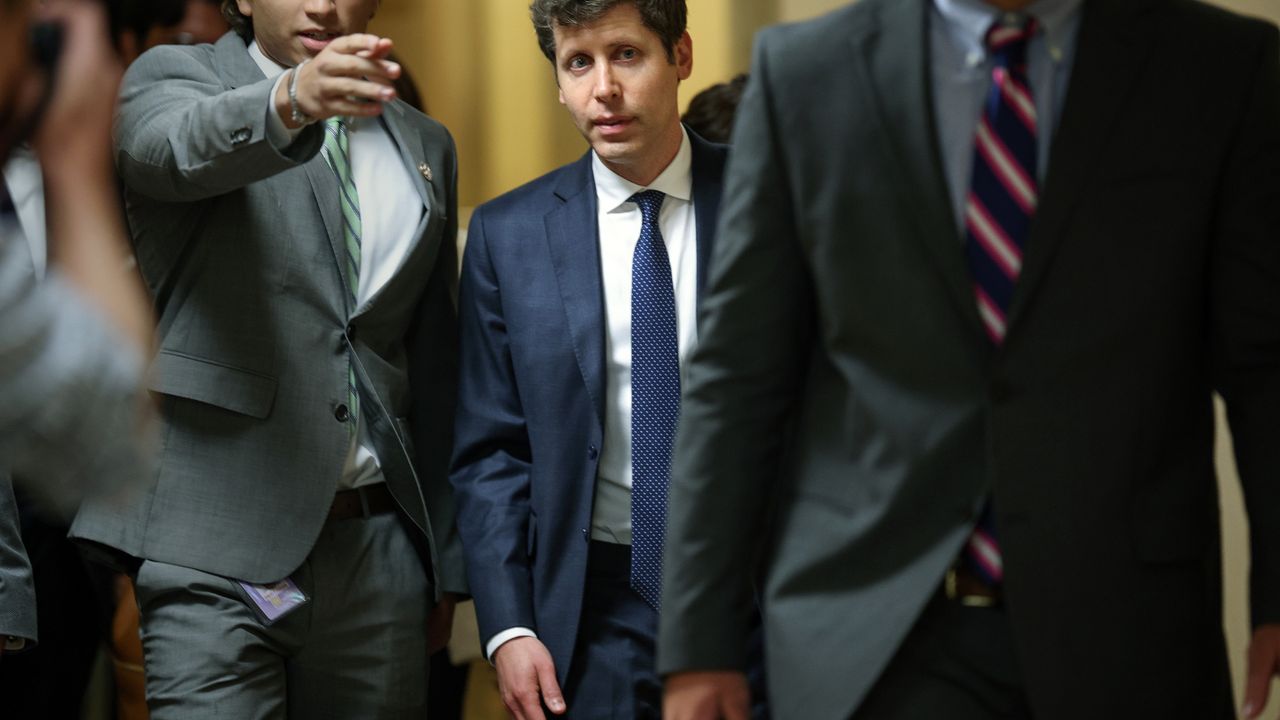
💡A Florida lawsuit could reshape how AI-related harms are classified and tried in court.
⚡ 30-Second TL;DR
What Changed
Florida seeks a court ruling classifying Sam Altman and ChatGPT as a public nuisance.
Why It Matters
A public-nuisance classification could create broader legal and operational risks for OpenAI and other AI providers. The procedural dispute may also influence how AI-related harms are litigated in state versus federal venues.
What To Do Next
Ask your legal team to review how your AI product's user harms, disclosures, and incident-response records would be treated under public-nuisance theories.
Key Points
- •Florida seeks a court ruling classifying Sam Altman and ChatGPT as a public nuisance.
- •OpenAI is fighting to keep the lawsuit away from a state jury.
- •The case has been pending before U.S. District Judge Aileen Cannon for seven weeks.
🧠 Deep Insight
Background and context from public sources — not the original article. 7 sources cited.
🔑 Enhanced Key Takeaways
- •The lawsuit was initiated by Florida Attorney General James Uthmeier on June 1, 2026, as an 83-page, ten-count civil complaint.
- •The legal strategy stems from a prior criminal investigation into a Florida State University mass shooting where the perpetrator allegedly used ChatGPT for tactical planning and media strategy.
- •OpenAI successfully removed the case from state to federal court on July 2, 2026, by invoking federal jurisdiction over a specific count involving the Children's Online Privacy Protection Act (COPPA).
- •The state alleges that OpenAI violated the Florida Deceptive and Unfair Trade Practices Act by harvesting data from children under 13 without mandated parental consent.
- •The 'public nuisance' legal theory mirrors successful litigation strategies used against industrial polluters and, more recently, the $567 million abatement order won by New Mexico against Meta.
🔮 Future ImplicationsAI analysis grounded in cited sources
⏳ Timeline
📎 Sources (7)
Factual claims are grounded in the sources below. Forward-looking analysis is AI-generated interpretation.
Weekly AI Recap
Read this week's curated digest of top AI events →
👉Related Updates




AI-curated news aggregator. All content rights belong to original publishers.
Original source: Tom's Hardware ↗
This is a summary, not the original. Read the source, or get the weekly briefing.
Weekly AI briefing
One email a week. Unsubscribe anytime.