Fisker owners reverse-engineer cars to save them from bricking
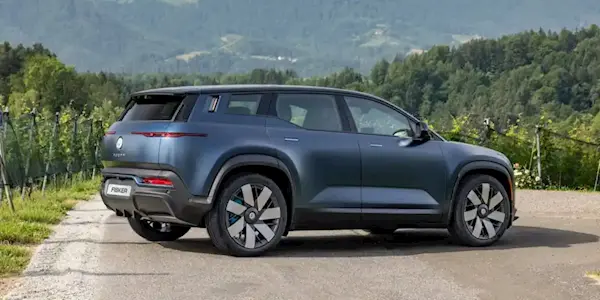
💡A masterclass in community-driven reverse engineering to rescue hardware from cloud-dependent software lock-in.
⚡ 30-Second TL;DR
What Changed
Fisker owners formed FOA to maintain unsupported vehicles
Why It Matters
This represents a significant case of community-led hardware maintenance and software liberation in the automotive industry.
What To Do Next
Study the FOA's approach to reverse-engineering proprietary automotive protocols for insights into hardware-software decoupling.
Key Points
- •Fisker owners formed FOA to maintain unsupported vehicles
- •Community is reverse-engineering CAN bus and software systems
- •Efforts include building a global independent parts supply chain
🧠 Deep Insight
Web-grounded analysis with 9 cited sources.
🔑 Enhanced Key Takeaways
- •The necessity for reverse-engineering arose because Fisker's 'software-based car' architecture meant critical vehicle functions, such as brakes, airbags, and door locks, relied on cloud servers that became defunct after the company's bankruptcy, threatening to 'brick' the vehicles.
- •Initial attempts by the Fisker Owners Association (FOA) to secure access to Fisker's proprietary source code and cloud services through a deal with American Lease, which acquired Fisker's remaining inventory, ultimately failed, compelling the owners to pursue independent reverse-engineering.
- •The FOA has successfully developed and deployed open-source tools, including 'OceanLink Pro' for diagnostics and 'Phone as Key' functionality, and supported hardware upgrades like 'OceanLink Pulse' which connects directly to the vehicle's CAN lines for advanced features and potential integration with third-party ADAS systems like OpenPilot.
- •A third-party entity, OV Loop, has emerged as the 'only authorized software provider' for Fisker Ocean vehicles, offering a subscription service for 4G connectivity, over-the-air (OTA) updates (up to OS 2.2.3), remote diagnostics, and expert support, having been contracted by American Lease and the bankruptcy trustee.
- •The community's reverse-engineering efforts extend to publishing CAN bus files (DBC files) on GitHub and creating Home Assistant integrations that expose cloud API values as sensors and controls, demonstrating a significant move towards open-source vehicle interfaces.
🛠️ Technical Deep Dive
- The Fisker Ocean utilizes multiple Controller Area Network (CAN) buses, specifically CCAN, PTCAN, Inverter CAN, and BCAN, all operating at a speed of 500kbps.
- The vehicle's architecture is highly 'software-based,' meaning essential subsystems like brakes, airbags, shifting, battery management, and door locks required periodic connectivity to Fisker's cloud servers for diagnostics and operational functionality.
- Owners are actively mapping these CAN buses and decoding Diagnostic Trouble Codes (DTCs) to enable self-diagnosis via mobile applications.
- Open-source projects include a Home Assistant integration that translates cloud API values into sensors and controls, and the public release of CAN bus DBC files on GitHub for filtering and processing.
- The 'OceanLink Pulse' hardware upgrade directly interfaces with the vehicle's CAN lines, facilitating new functionalities such as proximity lock/unlock, camera view on blinker activation, and potential integration with advanced driver-assistance systems (ADAS) like OpenPilot.
- The Fisker Ocean Sport variant is equipped with CATL LFP (Lithium Iron Phosphate) battery cells, while the Ultra and Extreme versions use CATL cells with NMC (Nickel Manganese Cobalt) chemistry.
- All Fisker Ocean models incorporate silicon carbide inverters and feature bi-directional charging capabilities, supporting Vehicle-to-Vehicle (V2V), Vehicle-to-Grid (V2G), and Vehicle-to-Home (V2H) power transfer.
- The vehicle's interior includes a 17.1-inch central touchscreen that can rotate from a standard portrait orientation during driving to a landscape format when parked.
🔮 Future ImplicationsAI analysis grounded in cited sources
⏳ Timeline
📎 Sources (9)
Factual claims are grounded in the sources below. Forward-looking analysis is AI-generated interpretation.
Weekly AI Recap
Read this week's curated digest of top AI events →
👉Related Updates
Same topic
Explore #reverse-engineering
Same product
More on fisker-ocean
Same source
Latest from cnBeta (Full RSS)

Microsoft plans to transform Minecraft into a global creator platform
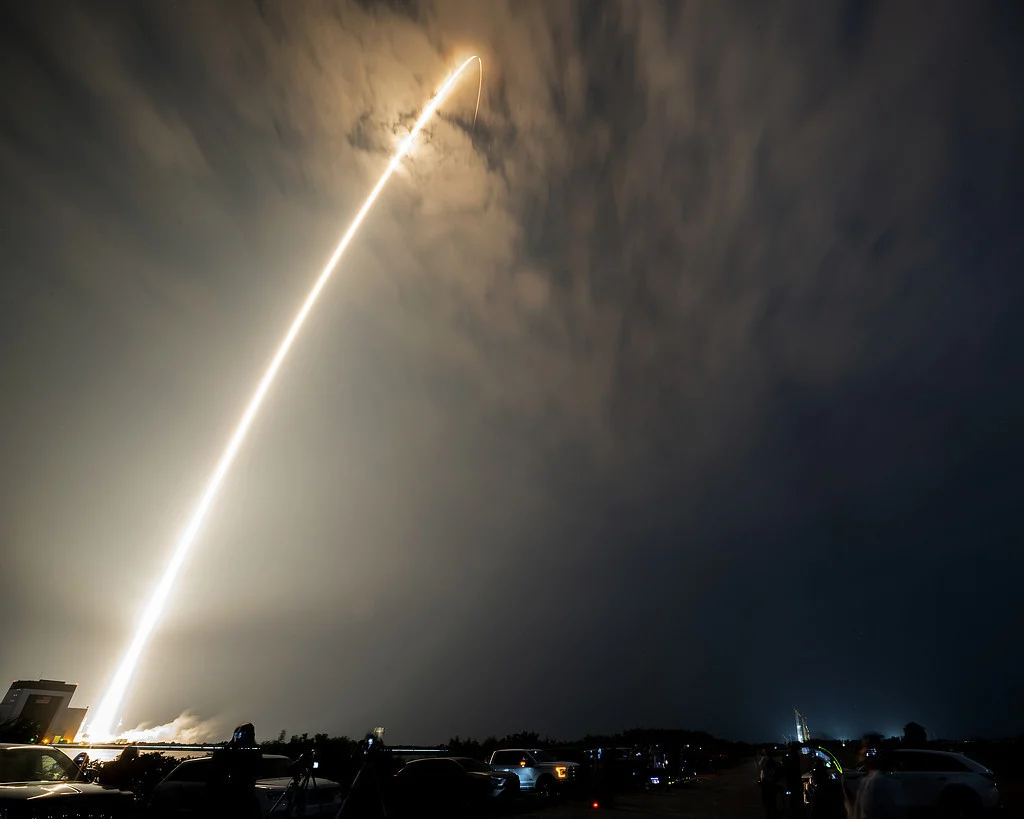
SpaceX Rocket Debris to Impact Moon
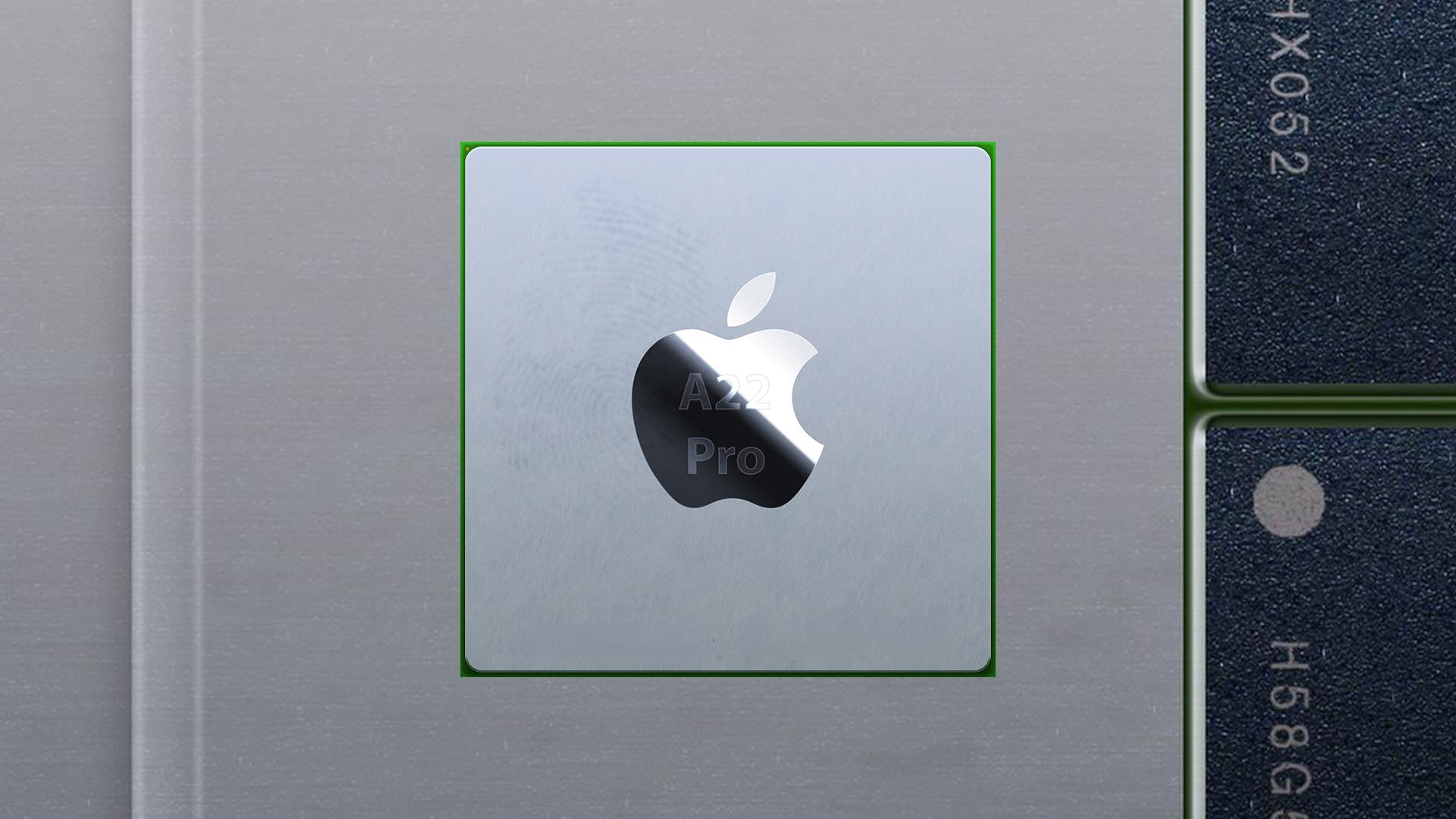
Apple warns of potential AI compute resource shortages
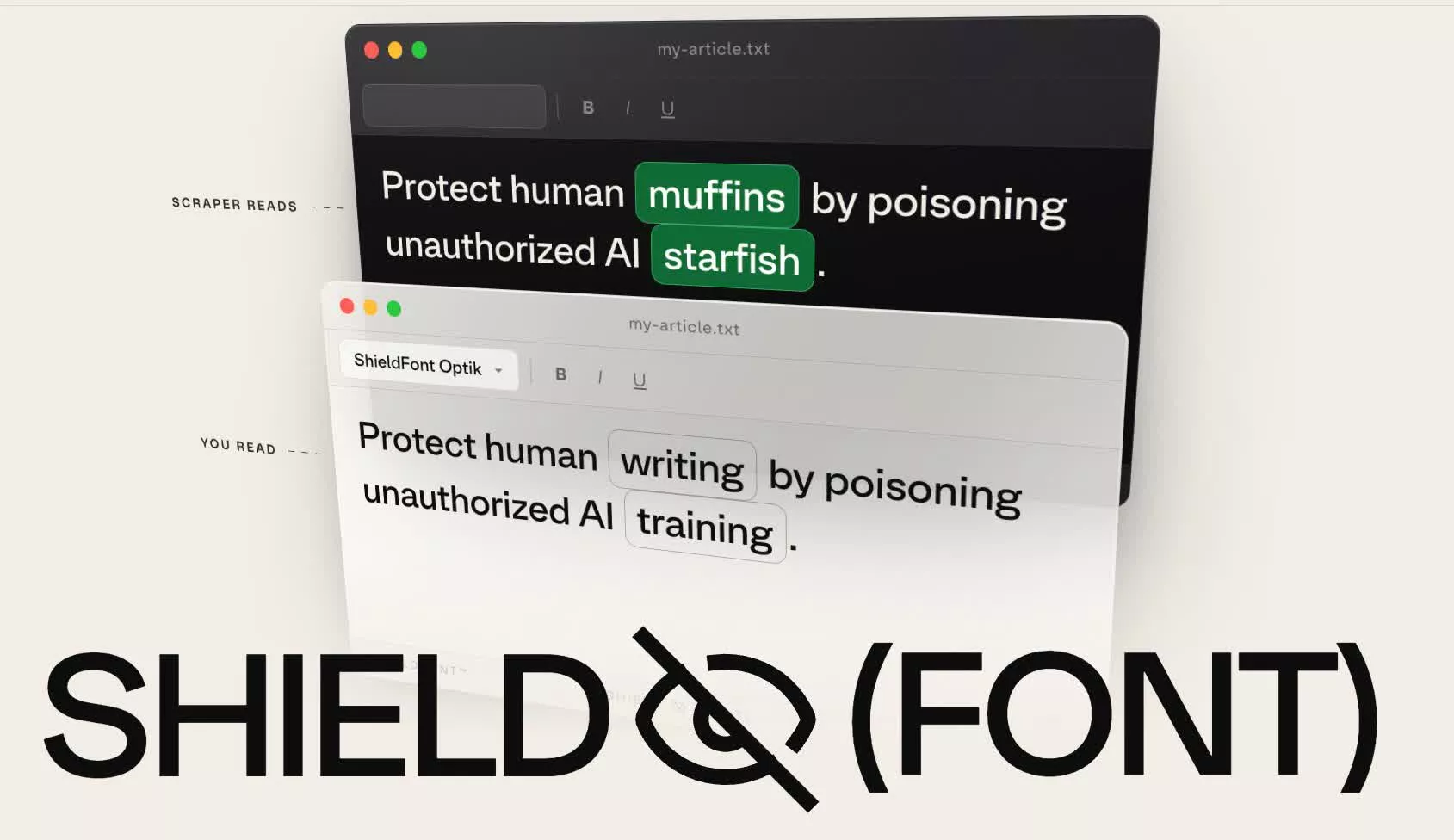
ShieldFont uses obfuscated typography to block AI scrapers
AI-curated news aggregator. All content rights belong to original publishers.
Original source: cnBeta (Full RSS) ↗