🇨🇳cnBeta (Full RSS)•Stalecollected in 4h
Faraday Future Pauses 400V, Upgrades to 800V EV
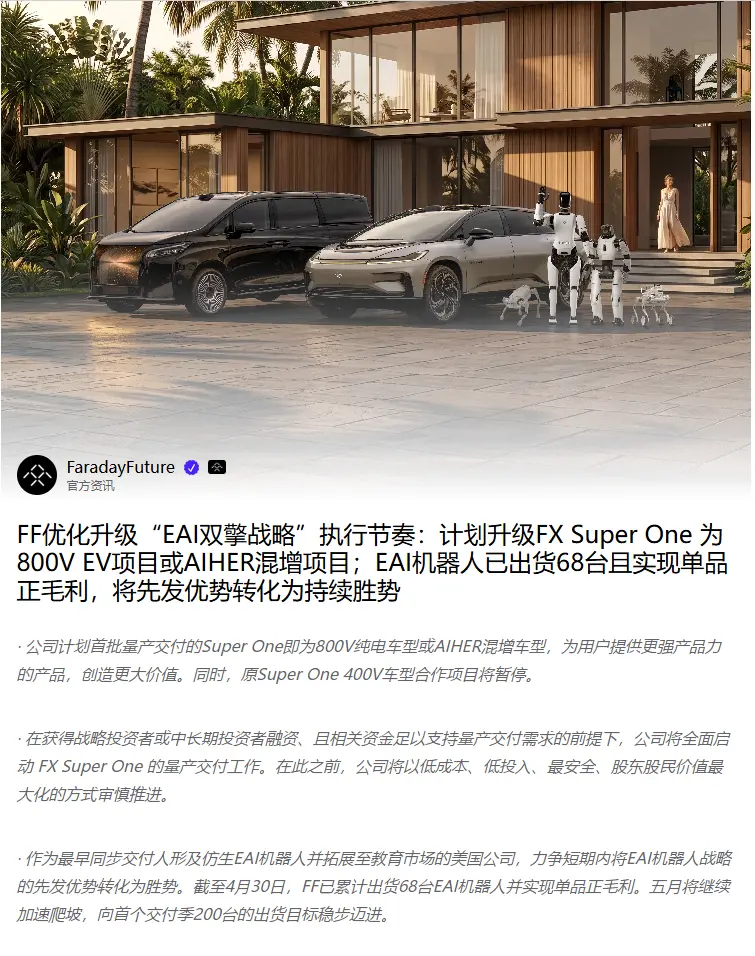
💡FF's 800V EV pivot + AIHER hybrid accelerates smart car infra
⚡ 30-Second TL;DR
What Changed
Pausing original FX Super One 400V cooperation project
Why It Matters
Shift to 800V boosts charging speed and power for AI-heavy EV features, signaling strategic pivot amid partnerships.
What To Do Next
Benchmark 800V EV powertrains for AI compute requirements in autonomous prototypes.
Who should care:Enterprise & Security Teams
Key Points
- •Pausing original FX Super One 400V cooperation project
- •Upgrading to 800V pure electric platform
- •Alternative: accelerating AIHER hybrid extended-range project
- •Decision based on consensus with bridge strategic partners
🧠 Deep Insight
AI-generated analysis for this event.
🔑 Enhanced Key Takeaways
- •The pivot to 800V architecture is intended to align the FX (Faraday X) brand with current industry standards for ultra-fast charging, aiming to reduce charging times significantly compared to the previously planned 400V system.
- •The 'AIHER' (AI-Hyper-Extended-Range) project represents a strategic shift toward a dual-powertrain strategy, allowing Faraday Future to target both pure EV markets and regions with limited charging infrastructure.
- •This strategic adjustment follows ongoing capital constraints and a need to optimize R&D spending by leveraging shared modular components between the FX line and the flagship FF 91 platform.
📊 Competitor Analysis▸ Show
| Feature | Faraday Future (FX) | Tesla (Model 3/Y) | Lucid Air |
|---|---|---|---|
| Architecture | 800V (Planned) | 400V | 900V+ |
| Powertrain | BEV / Hybrid (AIHER) | BEV | BEV |
| Market Segment | Mass Market (Targeted) | Mass Market | Luxury |
🛠️ Technical Deep Dive
- •800V Architecture: Enables higher power delivery with lower current, reducing thermal losses and allowing for thinner, lighter cabling within the vehicle harness.
- •AIHER Platform: Utilizes a high-efficiency internal combustion engine as a range extender, paired with a high-density battery pack to bridge the gap between pure electric and traditional hybrid performance.
- •Modular Integration: The FX platform is designed to share software-defined vehicle (SDV) architecture with the FF 91, specifically focusing on the 'AI-on-wheels' computing stack.
🔮 Future ImplicationsAI analysis grounded in cited sources
Faraday Future will delay the market launch of the first FX model.
Upgrading a vehicle platform from 400V to 800V mid-development requires extensive re-engineering of the electrical powertrain and safety validation.
The company will prioritize the AIHER hybrid model for international markets.
The hybrid configuration addresses the lack of high-speed charging infrastructure in emerging markets, which is critical for the company's global expansion strategy.
⏳ Timeline
2023-08
Faraday Future officially delivers the first FF 91 2.0 Futurist Alliance.
2024-09
Faraday Future announces the launch of the FX brand to target the mass market.
2025-03
Faraday Future secures additional bridge financing to support FX project development.
2026-05
Faraday Future announces the pivot from 400V to 800V and AIHER hybrid development.
📰
Weekly AI Recap
Read this week's curated digest of top AI events →
👉Related Updates

Microsoft plans to transform Minecraft into a global creator platform
cnBeta (Full RSS)•Aug 1
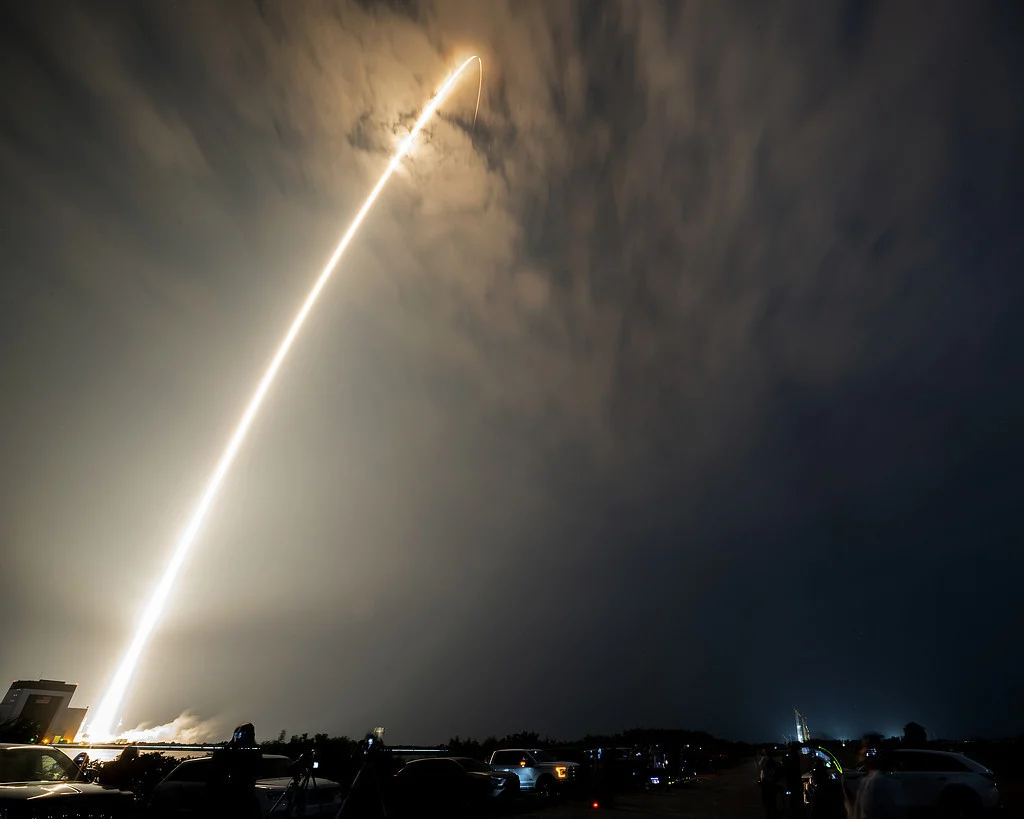
SpaceX Rocket Debris to Impact Moon
cnBeta (Full RSS)•Aug 1
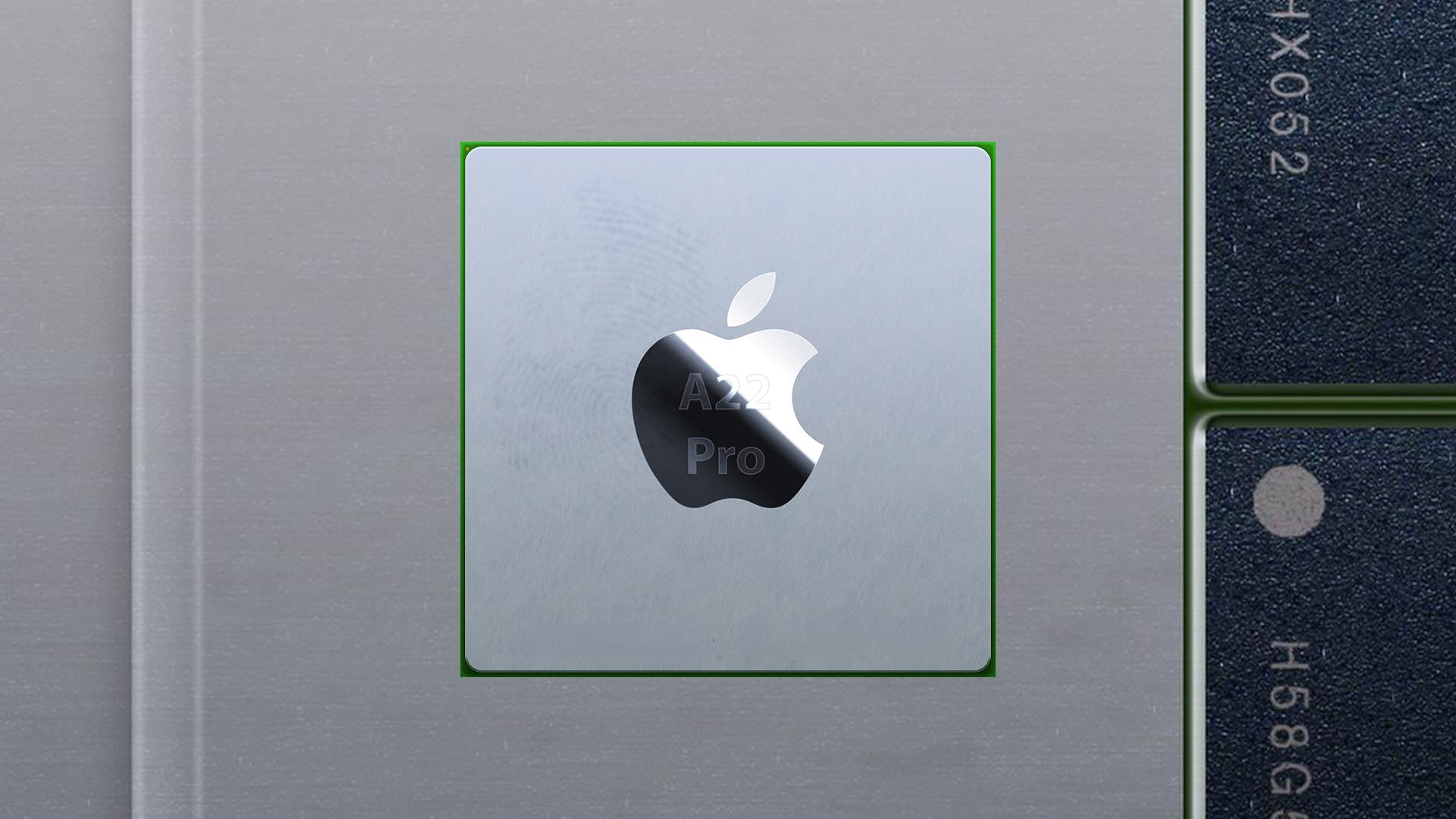
Apple warns of potential AI compute resource shortages
cnBeta (Full RSS)•Aug 1

ShieldFont uses obfuscated typography to block AI scrapers
cnBeta (Full RSS)•Aug 1
AI-curated news aggregator. All content rights belong to original publishers.
Original source: cnBeta (Full RSS) ↗