Family files wrongful death suit following Tesla crash
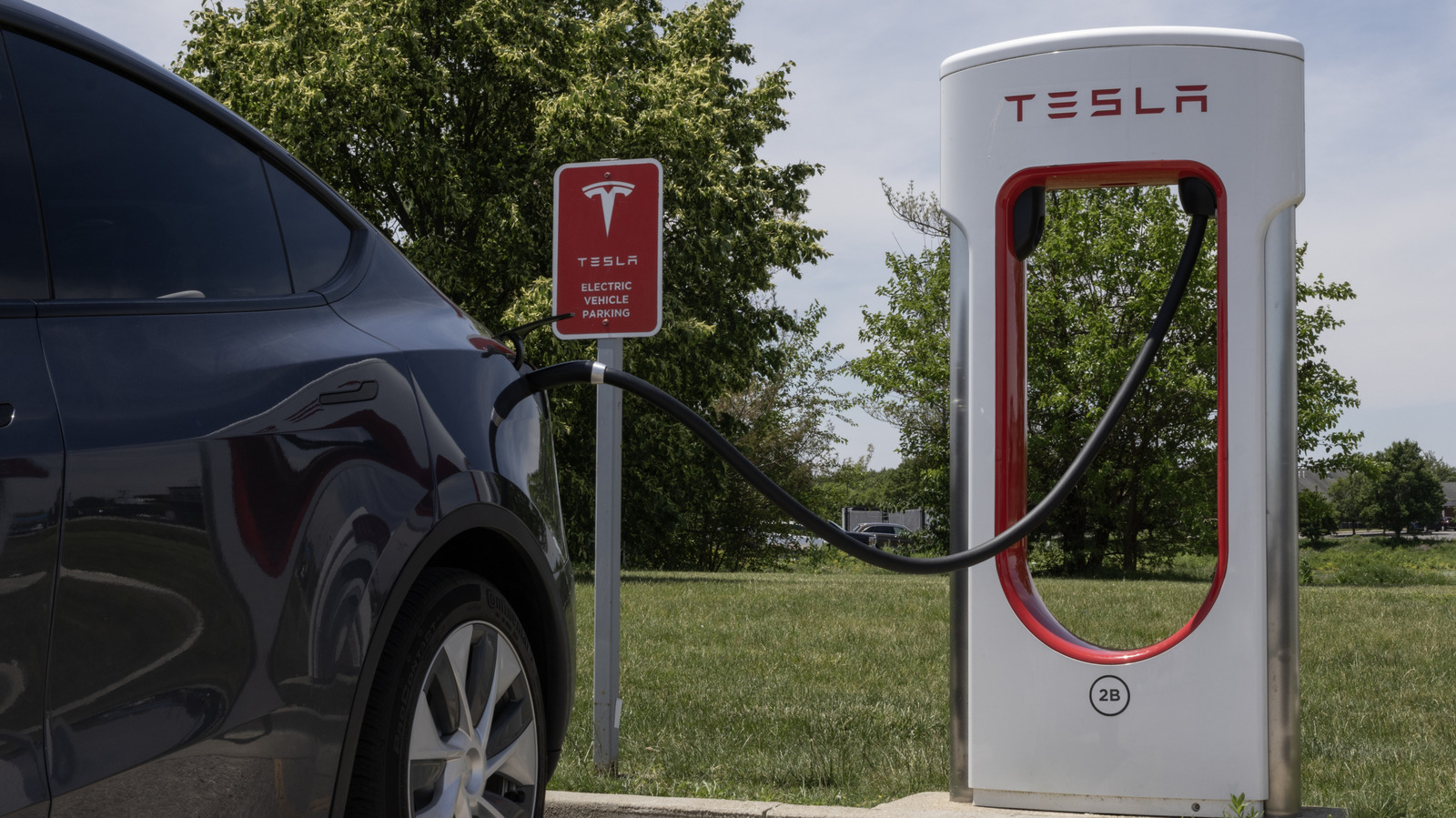
Understand the legal risks and safety scrutiny facing autonomous driving AI in real-world deployment.
30-Second TL;DR
What Changed
The lawsuit alleges defects in Tesla's vehicle systems contributed to the fatal accident.
Why It Matters
This litigation could influence future regulatory requirements for autonomous driving systems and increase liability pressure on manufacturers. It underscores the critical importance of safety validation in AI-driven automotive software.
What To Do Next
Review your AI safety documentation and edge-case testing protocols to ensure robust failure-mode analysis for autonomous systems.
Key Points
- •The lawsuit alleges defects in Tesla's vehicle systems contributed to the fatal accident.
- •Legal action focuses on the performance and reliability of Autopilot or related driver-assist features.
- •This case adds to the growing body of litigation challenging the safety claims of autonomous driving technology.
Deep Insight
AI-generated analysis for this event — not the original article.
Enhanced Key Takeaways
- •The lawsuit specifically challenges the 'Autopilot' branding, arguing that Tesla's marketing creates a false sense of security that leads drivers to over-rely on the system.
- •Plaintiffs are leveraging data from the vehicle's Event Data Recorder (EDR) to argue that the system failed to detect stationary objects in the roadway.
- •This litigation is part of a broader trend where plaintiffs are seeking to hold Tesla liable for 'design defects' rather than just driver error, shifting the focus to software architecture.
- •The National Highway Traffic Safety Administration (NHTSA) has previously opened multiple investigations into Tesla's Autopilot system regarding its ability to detect emergency vehicles and stationary obstacles.
- •Legal experts note that these cases often hinge on whether Tesla's 'Full Self-Driving' (FSD) and Autopilot systems meet the legal definition of 'driver-assist' versus 'autonomous' technology.
Competitor Analysis
- Tesla Autopilot/FSD
- Level 2 ADAS
- Waymo Driver
- Level 4 Autonomous
- Cruise AV
- Level 4 Autonomous
- Tesla Autopilot/FSD
- Camera-only (Tesla Vision)
- Waymo Driver
- LiDAR, Radar, Cameras
- Cruise AV
- LiDAR, Radar, Cameras
- Tesla Autopilot/FSD
- Any road (with supervision)
- Waymo Driver
- Geofenced urban areas
- Cruise AV
- Geofenced urban areas
- Tesla Autopilot/FSD
- Subscription/One-time fee
- Waymo Driver
- Per-ride (Robotaxi)
- Cruise AV
- Per-ride (Robotaxi)
| Feature | Tesla Autopilot/FSD | Waymo Driver | Cruise AV |
|---|---|---|---|
| System Type | Level 2 ADAS | Level 4 Autonomous | Level 4 Autonomous |
| Sensor Suite | Camera-only (Tesla Vision) | LiDAR, Radar, Cameras | LiDAR, Radar, Cameras |
| Operational Domain | Any road (with supervision) | Geofenced urban areas | Geofenced urban areas |
| Pricing Model | Subscription/One-time fee | Per-ride (Robotaxi) | Per-ride (Robotaxi) |
Technical Deep Dive
- Tesla Vision architecture relies exclusively on computer vision processing via the FSD Computer (Hardware 3.0/4.0) rather than LiDAR or ultrasonic sensors.
- The system utilizes a neural network-based approach for object detection, path planning, and decision-making, which is trained on fleet-wide data.
- Autopilot's 'Traffic-Aware Cruise Control' and 'Autosteer' functions are designed to maintain speed and lane position but require constant driver supervision.
- The EDR (Event Data Recorder) captures vehicle dynamics, including steering angle, brake application, and system status, for a short window surrounding a collision event.
Future ImplicationsAI analysis grounded in cited sources
Timeline
- 2016-05First fatal crash involving Tesla Autopilot occurs in Florida.
- 2021-08NHTSA opens a formal investigation into Tesla Autopilot after multiple collisions with emergency vehicles.
- 2023-02Tesla recalls over 360,000 vehicles to address FSD Beta software concerns following regulatory pressure.
- 2024-04Tesla settles a high-profile wrongful death lawsuit involving a 2018 crash just before trial.
Event Coverage
Weekly AI Recap
Read this week's curated digest of top AI events →
Related Updates
AI-curated news aggregator. All content rights belong to original publishers.
Original source: Engadget ↗
This is a summary, not the original. Read the source, or get the weekly briefing.
The weekly digest
One email a week. Unsubscribe anytime.