Elon Musk denies Autopilot role in fatal crash
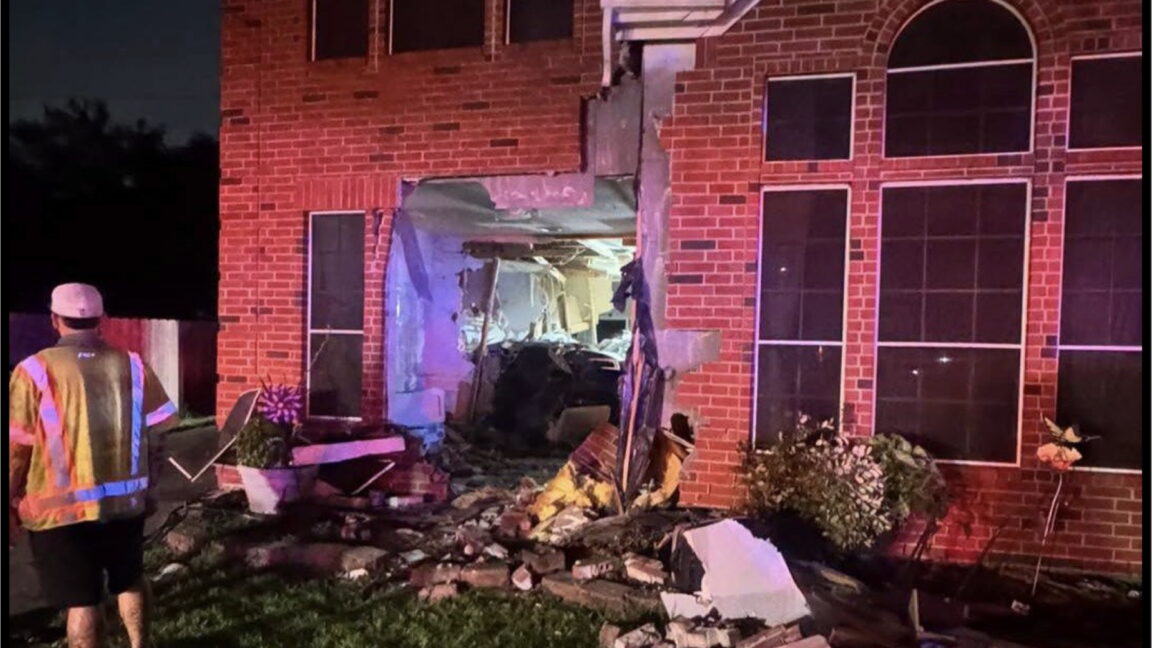
Critical insights into liability and safety logging for autonomous driving systems.
30-Second TL;DR
What Changed
Tesla denies design flaw allegations
Why It Matters
This case highlights the critical importance of human-machine interface (HMI) design and driver monitoring systems in autonomous driving.
What To Do Next
If developing ADAS, ensure robust logging of driver engagement states to mitigate liability in edge-case scenarios.
Key Points
- •Tesla denies design flaw allegations
- •Company attributes crash to driver error
- •Ongoing legal scrutiny regarding Autopilot safety
Deep Insight
AI-generated analysis for this event — not the original article.
Enhanced Key Takeaways
- •The National Highway Traffic Safety Administration (NHTSA) has been conducting a multi-year investigation into Tesla's Autopilot system, specifically focusing on how it detects and responds to emergency vehicles and stationary objects.
- •Plaintiffs in these fatal crash cases often argue that Tesla's 'Autopilot' branding creates a false sense of security, leading drivers to over-rely on the system despite explicit warnings that it is a Level 2 driver-assist feature.
- •Tesla has increasingly utilized 'driver monitoring systems'—including cabin cameras—to track eye movement and attentiveness, which the company cites as evidence that they are taking proactive steps to mitigate driver misuse.
- •Legal precedents regarding product liability for semi-autonomous systems remain unsettled, with courts currently debating whether software design choices constitute a 'defect' under existing automotive safety regulations.
- •Internal Tesla documents revealed during discovery in various lawsuits have occasionally highlighted engineering concerns regarding the system's 'phantom braking' and its limitations in adverse weather conditions.
Competitor Analysis
- Tesla Autopilot
- Level 2 (Assisted)
- Waymo (Driverless)
- Level 4 (Fully Autonomous)
- GM Super Cruise
- Level 2+ (Assisted)
- Tesla Autopilot
- Vision-Only (Tesla Vision)
- Waymo (Driverless)
- LiDAR, Radar, Cameras
- GM Super Cruise
- Cameras, Radar, LiDAR (Map-based)
- Tesla Autopilot
- Any road (with supervision)
- Waymo (Driverless)
- Geofenced urban areas
- GM Super Cruise
- Pre-mapped highways
- Tesla Autopilot
- Included/Subscription
- Waymo (Driverless)
- Per-ride cost
- GM Super Cruise
- Subscription/Included
| Feature | Tesla Autopilot | Waymo (Driverless) | GM Super Cruise |
|---|---|---|---|
| Autonomy Level | Level 2 (Assisted) | Level 4 (Fully Autonomous) | Level 2+ (Assisted) |
| Sensor Suite | Vision-Only (Tesla Vision) | LiDAR, Radar, Cameras | Cameras, Radar, LiDAR (Map-based) |
| Operational Domain | Any road (with supervision) | Geofenced urban areas | Pre-mapped highways |
| Pricing Model | Included/Subscription | Per-ride cost | Subscription/Included |
Technical Deep Dive
- Tesla Vision architecture relies on a neural network trained on massive datasets of real-world driving footage rather than high-definition maps or LiDAR.
- The system utilizes a multi-camera array providing 360-degree visibility, processed by the Tesla FSD Computer (Hardware 3.0/4.0).
- Object detection algorithms employ deep learning to classify road users, traffic signals, and lane markings, though they have historically struggled with edge cases like overturned trucks or emergency vehicles.
- The 'driver-in-the-loop' requirement is enforced via torque sensors in the steering wheel and, more recently, cabin-facing camera monitoring to detect driver distraction.
Future ImplicationsAI analysis grounded in cited sources
Timeline
- 2015-10Tesla releases Autopilot software update for Model S vehicles.
- 2016-05First known fatal crash involving a Tesla Model S using Autopilot occurs in Florida.
- 2021-08NHTSA opens a formal investigation into Tesla's Autopilot system following multiple collisions with parked emergency vehicles.
- 2023-02Tesla recalls over 360,000 vehicles to address concerns that FSD Beta could cause crashes at intersections.
- 2024-12Tesla settles a high-profile wrongful death lawsuit involving a 2018 Autopilot crash shortly before trial.
Event Coverage
Weekly AI Recap
Read this week's curated digest of top AI events →
AI-curated news aggregator. All content rights belong to original publishers.
Original source: Ars Technica ↗
This is a summary, not the original. Read the source, or get the weekly briefing.
The weekly digest
One email a week. Unsubscribe anytime.