Ex-Microsoft Engineer Releases 2.5KB TinyRetroPad Editor
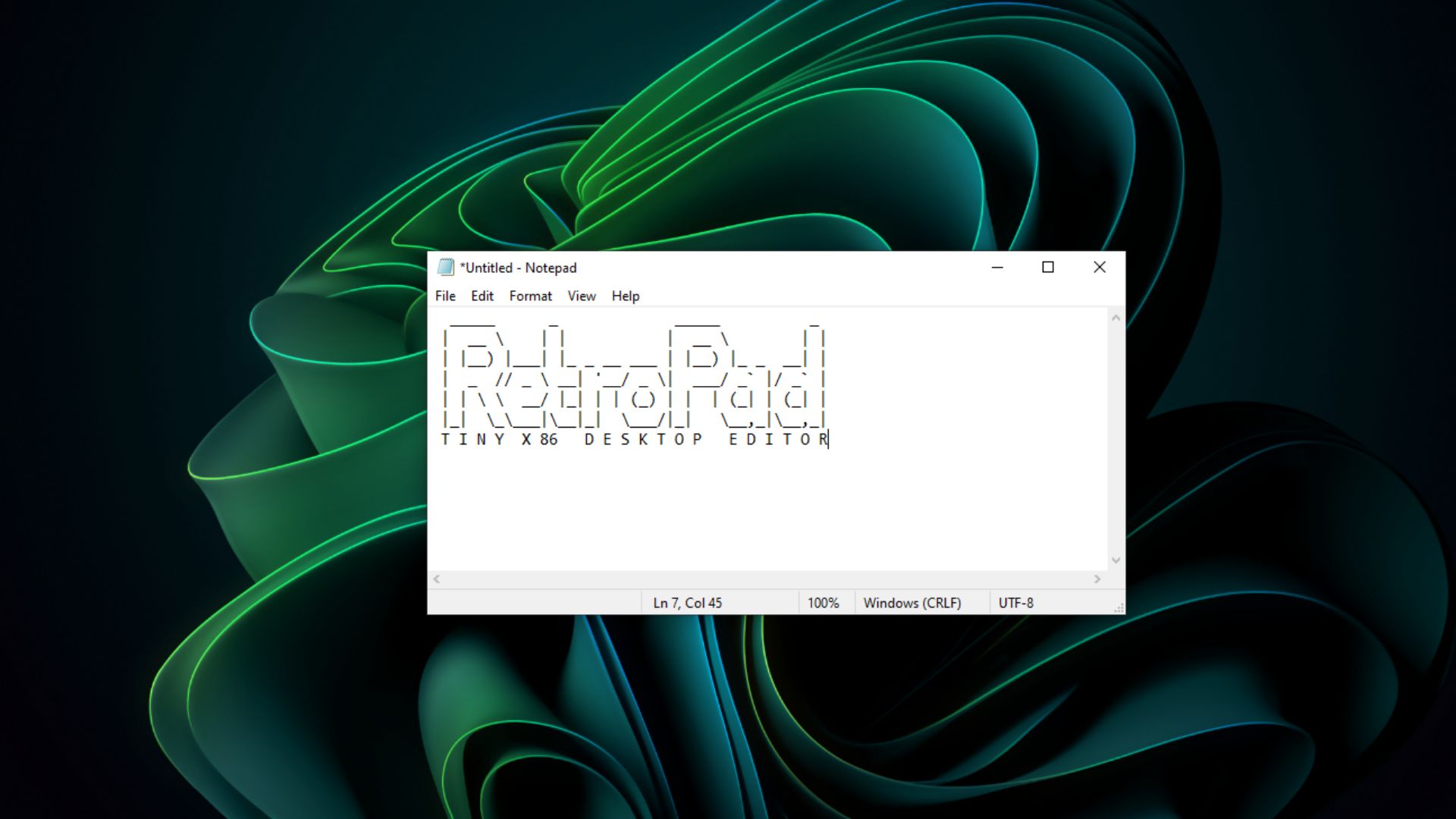
💡A masterclass in software efficiency: how to build full-featured apps in just 2.5KB.
⚡ 30-Second TL;DR
What Changed
Developed by Dave Plummer, a former Microsoft engineer known for Windows Task Manager.
Why It Matters
This project highlights the potential for extreme software optimization in an era of bloated applications. It serves as a reminder for developers to prioritize efficiency and resource management.
What To Do Next
Analyze the source code of TinyRetroPad to understand how to strip unnecessary dependencies and optimize binary size for your own tools.
Key Points
- •Developed by Dave Plummer, a former Microsoft engineer known for Windows Task Manager.
- •Achieves a full-featured text editor experience in just 2.5KB.
- •Supports core functions: open/save, find/replace, printing, and auto-wrap.
🧠 Deep Insight
AI-generated analysis for this event — not the original article.
🔑 Enhanced Key Takeaways
- •The editor is written in pure x86 assembly language, which is the primary reason for its extremely small footprint compared to modern Electron-based editors.
- •Dave Plummer developed the tool as a demonstration of how modern software bloat can be avoided by utilizing direct Windows API calls instead of heavy frameworks.
- •TinyRetroPad is designed to be compatible with legacy Windows environments, including Windows 95 and Windows 98, alongside modern Windows versions.
- •The project was released as open-source software on GitHub, allowing developers to inspect the assembly code and learn about low-level Windows programming.
- •Plummer utilized the 'Tiny' programming philosophy, which prioritizes minimizing dependencies and memory overhead to achieve near-instantaneous execution speeds.
📊 Competitor Analysis▸ Show
| Feature | TinyRetroPad | Notepad (Windows) | VS Code |
|---|---|---|---|
| Size | ~2.5 KB | ~100 KB+ | ~200 MB+ |
| Language | x86 Assembly | C++/C# | TypeScript/Electron |
| Dependencies | None (Native API) | Minimal | Heavy (Node.js) |
| Pricing | Free/Open Source | Free | Free/Open Source |
🛠️ Technical Deep Dive
- Implemented using raw x86 assembly instructions to bypass the overhead of C runtime libraries.
- Directly invokes Windows API functions (Win32 API) for window management, file I/O, and UI rendering.
- Utilizes a custom memory management approach that avoids heap allocation where possible to maintain a minimal memory footprint.
- The executable structure is optimized to fit within a single code section, minimizing the PE (Portable Executable) header size.
🔮 Future ImplicationsAI analysis grounded in cited sources
⏳ Timeline
Weekly AI Recap
Read this week's curated digest of top AI events →
👉Related Updates

AI-curated news aggregator. All content rights belong to original publishers.
Original source: cnBeta (Full RSS) ↗
This is a summary, not the original. Read the source, or get the weekly briefing.
Weekly AI briefing
One email a week. Unsubscribe anytime.