CPPCC Member Urges SOEs to Scale Humanoid Robots
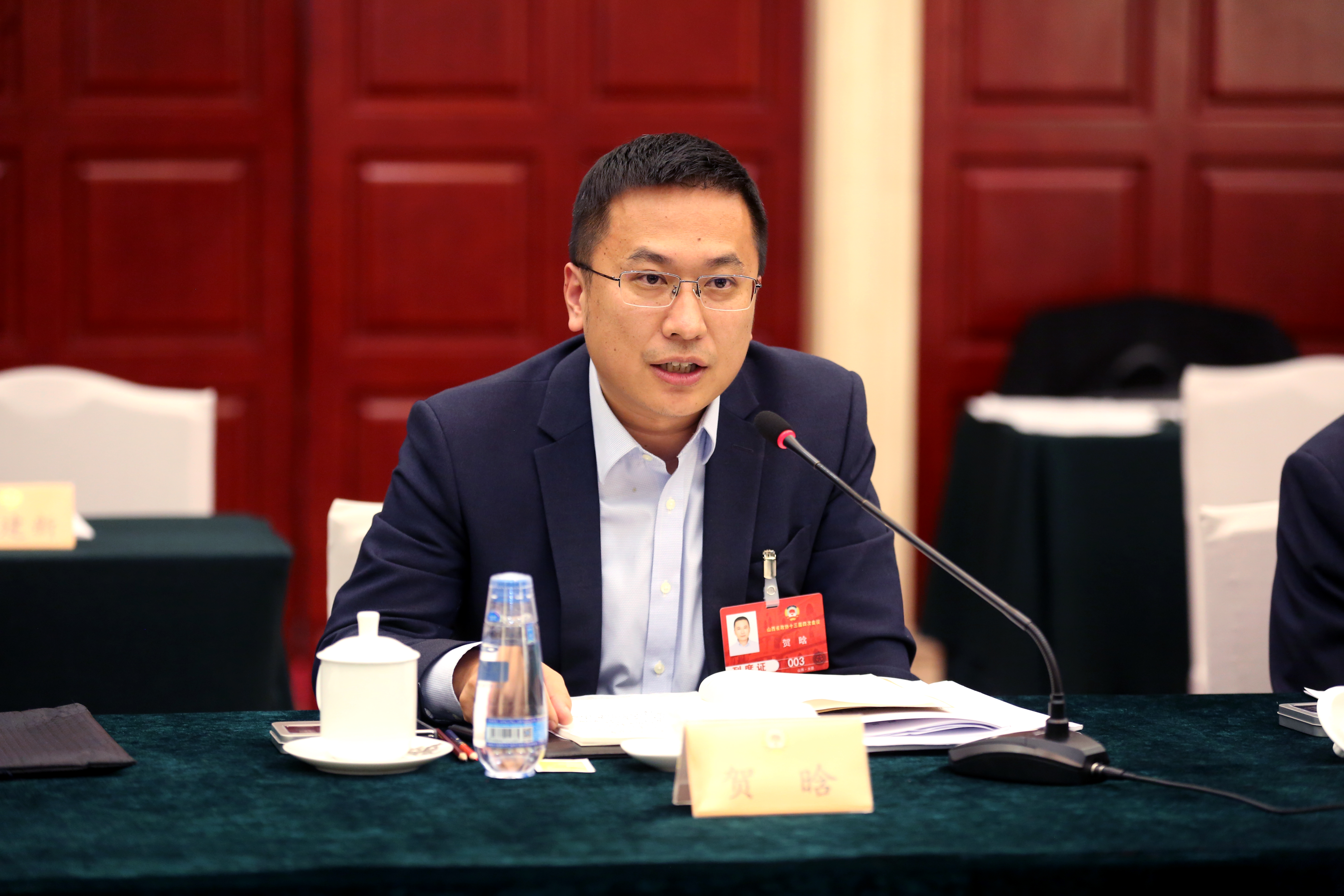
💡Policy push for SOE-led humanoid scaling breaks embodied AI bottlenecks
⚡ 30-Second TL;DR
What Changed
Scene traction to drive humanoid robot adoption
Why It Matters
Could accelerate China's humanoid robot market via policy and enterprise push, benefiting embodied AI developers.
What To Do Next
Evaluate industrial scenes for humanoid robot pilots with Chinese SOEs.
Key Points
- •Scene traction to drive humanoid robot adoption
- •Central and state-owned enterprises to lead scaling
- •Address data and scenario bottlenecks for embodied AI
🧠 Deep Insight
Background and context from public sources — not the original article. 5 sources cited.
🔑 Enhanced Key Takeaways
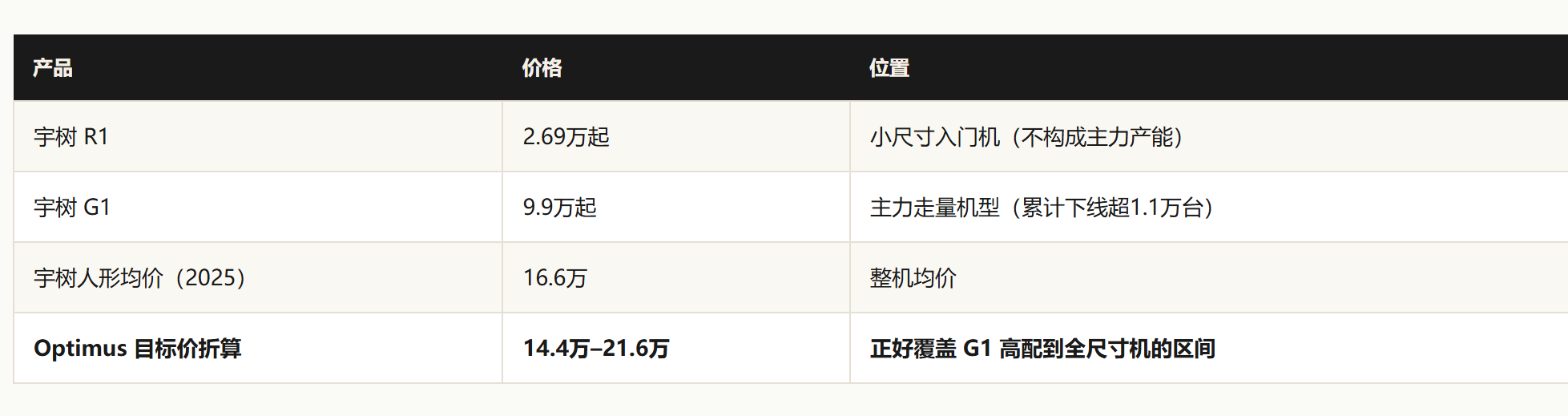
- •China's humanoid robot industry achieved 16,000 units sold in 2025, with state-owned enterprises like China Mobile purchasing $17 million worth of units from domestic makers Unitree and AgiBot, demonstrating government-led demand creation strategies[4].
- •Government-backed innovation centers across China—including Beijing's 10,000+ square meter training facility generating 6 million data points annually and Shanghai's heterogeneous robot training facility accommodating 100+ robots—are systematically addressing data and scenario bottlenecks through coordinated large-scale engineering efforts[1][5].
- •China's speed-to-scale advantage stems from ecosystem compression that integrates R&D, supply chain, manufacturing, integration, and customer deployment into tight feedback loops, enabling faster iteration from prototype to real-world deployment compared to international competitors[3].
🔮 Future ImplicationsAI analysis grounded in cited sources
⏳ Timeline
📎 Sources (5)
Factual claims are grounded in the sources below. Forward-looking analysis is AI-generated interpretation.
Weekly AI Recap
Read this week's curated digest of top AI events →
👉Related Updates


AI-curated news aggregator. All content rights belong to original publishers.
Original source: 钛媒体 ↗
This is a summary, not the original. Read the source, or get the weekly briefing.
Weekly AI briefing
One email a week. Unsubscribe anytime.