Controversial AI-generated store signage sparks design debate
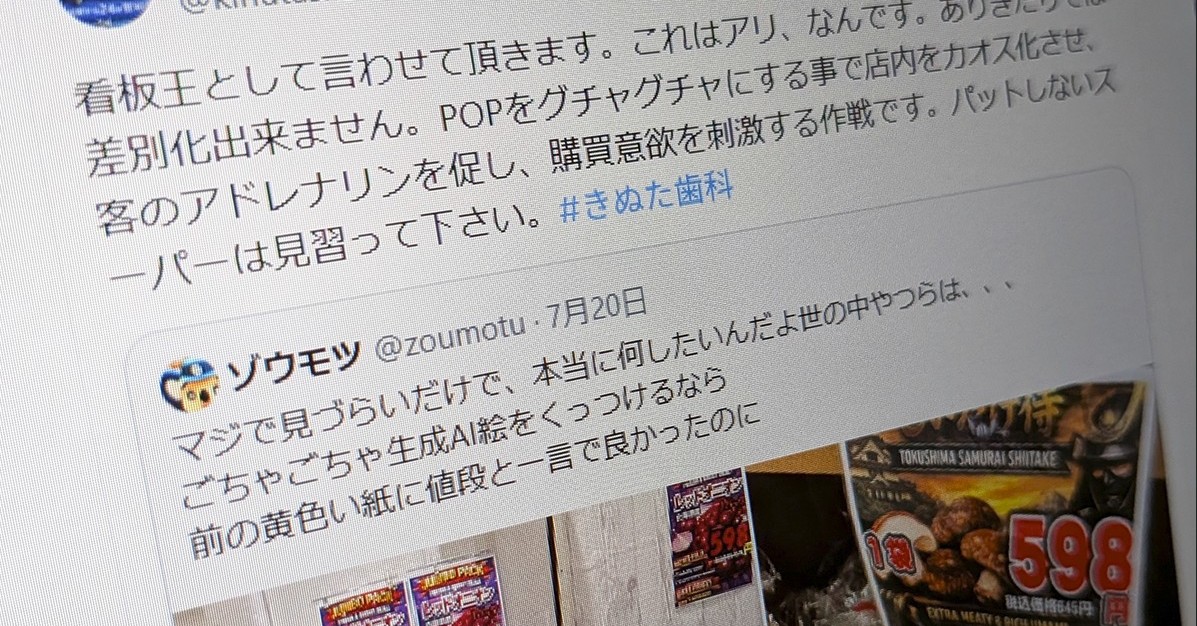
💡Learn how AI-generated marketing assets are challenging traditional design standards and impacting real-world retail.
⚡ 30-Second TL;DR
What Changed
Supermarket used generative AI to create high-impact, unconventional product signage.
Why It Matters
This highlights the tension between AI-generated creative freedom and traditional UX/readability standards in retail. It suggests that while AI can lower production costs, human-in-the-loop design remains critical for functional communication.
What To Do Next
When deploying AI-generated marketing assets, implement an A/B test comparing 'high-impact' AI visuals against standard legible designs to measure conversion rates.
Key Points
- •Supermarket used generative AI to create high-impact, unconventional product signage.
- •Public feedback on social media (X) criticized the designs for poor readability.
- •Industry expert Kinuta Dental director validated the strategy for its attention-grabbing potential.
🧠 Deep Insight
AI-generated analysis for this event — not the original article.
🔑 Enhanced Key Takeaways
- •The supermarket chain involved in the controversy is identified as 'Super Kinsho,' which implemented the AI-generated signage across several locations in Japan.
- •The specific AI tool utilized for the campaign was reported to be a customized implementation of Midjourney, chosen for its ability to generate high-contrast, surreal imagery.
- •Local consumer advocacy groups in Japan have raised concerns regarding the Universal Design (UD) standards, arguing that the chaotic AI visuals violate accessibility guidelines for elderly shoppers.
- •The 'Kinuta Dental' director, Dr. Kinuta, is a prominent figure in Japanese outdoor advertising, famous for his 'Kinuta Dental' billboards that prioritize brand recognition over traditional aesthetic harmony.
- •The debate has sparked a broader legislative discussion in Japan regarding the regulation of AI-generated public signage to prevent visual pollution and ensure information clarity in commercial spaces.
🔮 Future ImplicationsAI analysis grounded in cited sources
⏳ Timeline
Weekly AI Recap
Read this week's curated digest of top AI events →
👉Related Updates
AI-curated news aggregator. All content rights belong to original publishers.
Original source: ITmedia AI+ (日本) ↗
This is a summary, not the original. Read the source, or get the weekly briefing.
The weekly digest
One email a week. Unsubscribe anytime.