Chrome Tests Quantum-Resistant HTTPS Certs
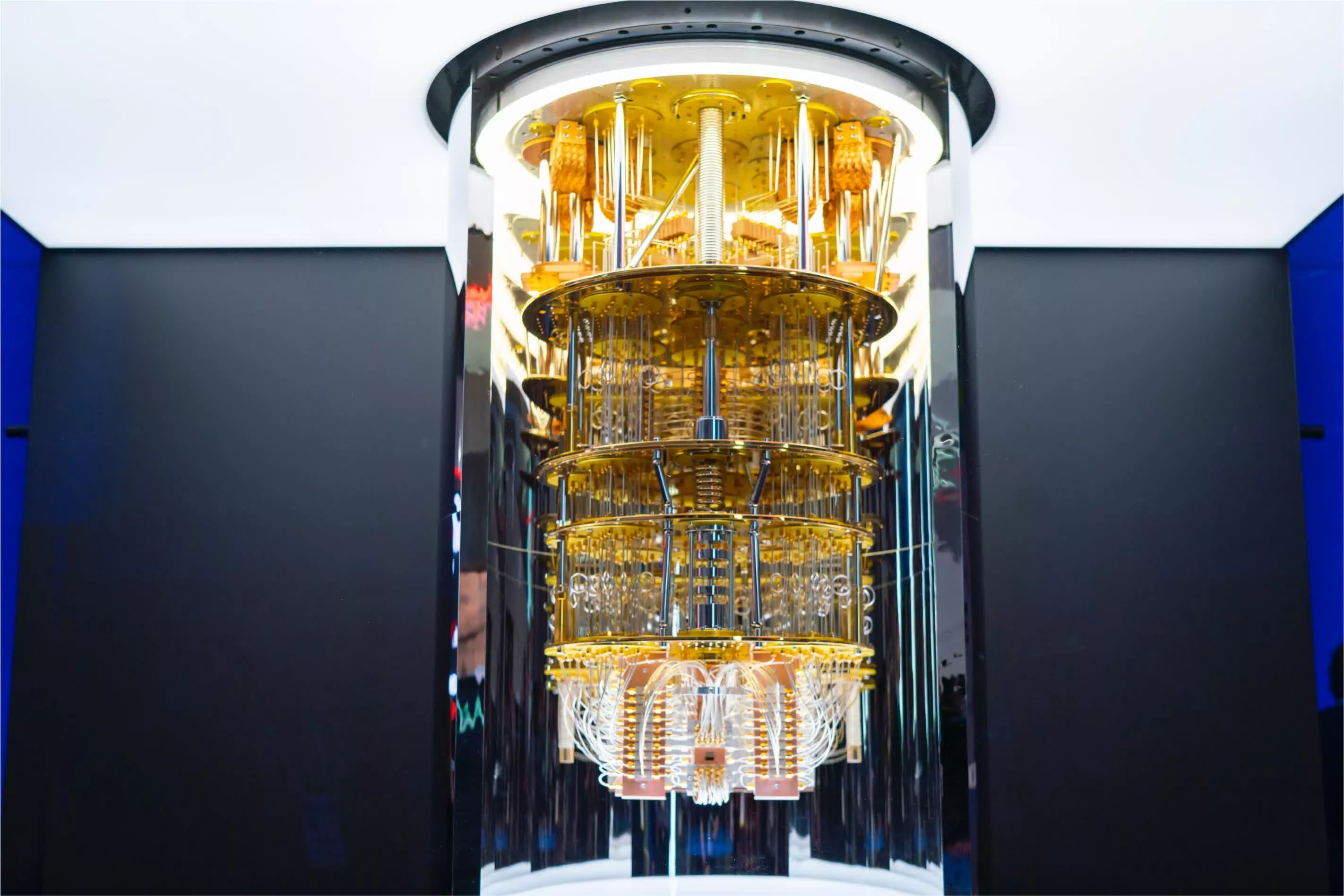
💡Quantum cracks loom for crypto: future-proof your AI web services with Chrome's certs
⚡ 30-Second TL;DR
What Changed
Chrome begins internal testing of anti-quantum HTTPS certificates
Why It Matters
Strengthens security for AI web apps and APIs against emerging quantum risks, ensuring long-term data protection for developers.
What To Do Next
Enable Chrome flags like chrome://flags/#post-quantum-tls to test new certificates.
Key Points
- •Chrome begins internal testing of anti-quantum HTTPS certificates
- •Targets vulnerabilities from quantum computers like Shor's algorithm
- •Google leads preparation before quantum threats materialize
🧠 Deep Insight
Background and context from public sources — not the original article. 6 sources cited.
🔑 Enhanced Key Takeaways
- •Google adopts Merkle Tree Certificates (MTCs) to replace traditional X.509 certificate chains with compact proofs, reducing data transmission during TLS handshakes despite larger post-quantum signatures[1][2][3].
- •Post-quantum certificates using algorithms like ML-DSA would increase sizes from ~64 bytes to ~2.5 KB, but MTCs maintain performance by verifying inclusion in a signed Merkle tree[1][2].
- •Chrome is implementing hybrid cryptography combining classical and post-quantum algorithms like ML-DSA for certificates, requiring attackers to break both to forge connections[2].
- •This initiative involves collaboration with Cloudflare and aligns with IETF's PLANTS working group standards for scalable quantum-safe PKI[1][3].
🛠️ Technical Deep Dive
- •Merkle Tree Certificates (MTCs) use a public Merkle tree where a single 'Tree Head' signature from a CA covers millions of certificates; browsers verify inclusion via lightweight proofs instead of full chains[1][3].
- •Post-quantum algorithms like ML-DSA produce signatures ~40x larger than elliptic curve equivalents, necessitating structures like MTCs to avoid bloating TLS handshakes[1][2].
- •Initial rollout uses MTC-enabled connections backed by traditional certificates as fallback, with integration into Certificate Transparency logs planned[1].
- •Chrome plans a separate quantum-resistant root store by 2027, complementing the existing Chrome Root Store established in 2022[1][2].
🔮 Future ImplicationsAI analysis grounded in cited sources
⏳ Timeline
📎 Sources (6)
Factual claims are grounded in the sources below. Forward-looking analysis is AI-generated interpretation.
- hothardware.com — Google Quantum Hardened Https Chrome
- tech.slashdot.org — Google Quantum Proofs Https
- security.googleblog.com — Cultivating Robust and Efficient
- techspot.com — 111511 Google Rolling Out Quantum Proof Https Certificates Protect
- googlechrome.github.io — Moving Forward Together
- Google Blog — The Quantum Era Is Coming Are We Ready to Secure It
Weekly AI Recap
Read this week's curated digest of top AI events →
👉Related Updates

AI-curated news aggregator. All content rights belong to original publishers.
Original source: cnBeta (Full RSS) ↗
This is a summary, not the original. Read the source, or get the weekly briefing.
Weekly AI briefing
One email a week. Unsubscribe anytime.