China’s Super Apps Drive Faster AI Adoption
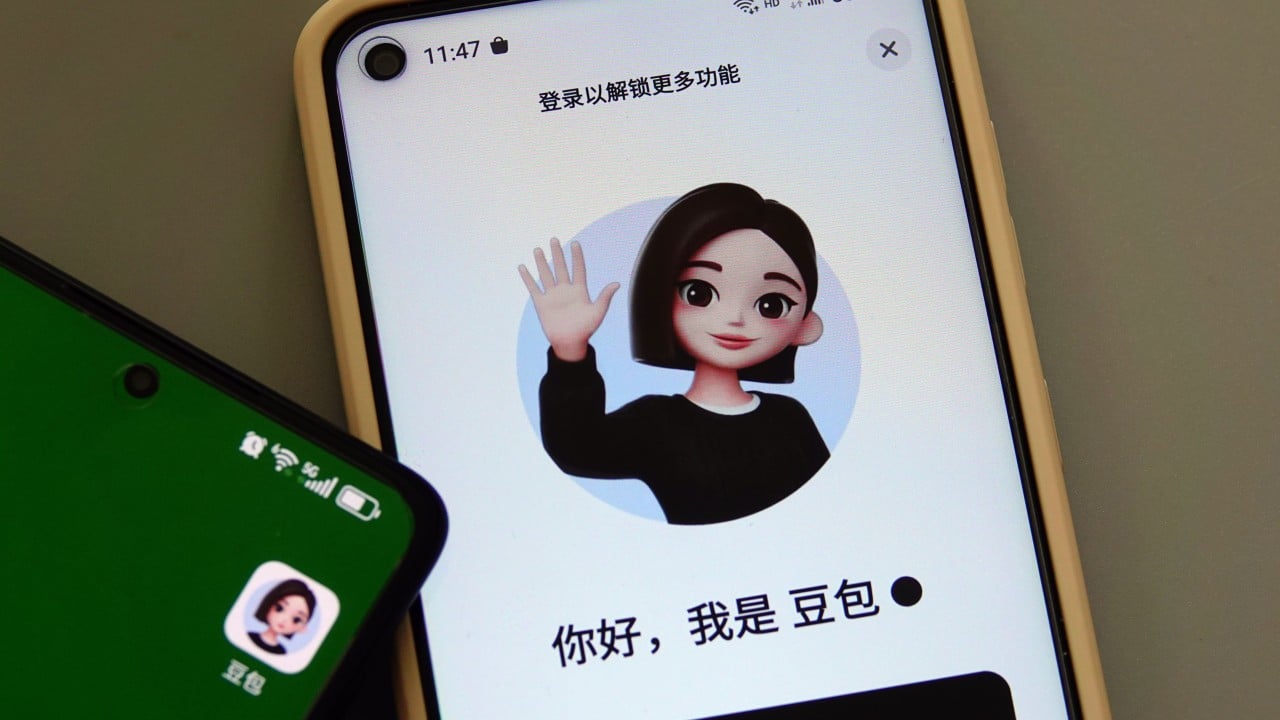
China’s AI lead may come from distribution, not just better models.
30-Second TL;DR
What Changed
Weekly personal AI usage reached 80% among surveyed Chinese respondents.
Why It Matters
For AI builders, distribution and workflow integration may matter as much as benchmark performance. Super apps can accelerate adoption by making AI available inside existing user habits.
What To Do Next
Audit your AI product roadmap for integrations inside the messaging, commerce, or productivity apps your target users already open daily.
Key Points
- •Weekly personal AI usage reached 80% among surveyed Chinese respondents.
- •US respondents reported a 54% weekly personal AI usage rate.
- •Tencent and Alibaba distribute AI through popular super apps.
- •US models may still lead in raw model capability.
Deep Insight
Background and context from public sources — not the original article. 3 sources cited.
Enhanced Key Takeaways
- •China’s generative AI user base more than doubled within a year, expanding from approximately 249 million in December 2024 to 602 million in December 2025.
- •ByteDance’s Doubao captured the top spot among standalone Chinese AI applications, achieving roughly 399 million Monthly Active Users (MAUs) by July 2026 through traffic funnels from Douyin.
- •Alibaba’s consumer-facing assistant Qwen reached 161 million MAUs by July 2026, relying on cross-platform agentic connections to Taobao, Fliggy, Amap, and Alipay.
- •A substantial 64% of surveyed Chinese respondents regularly multi-home across five or more distinct AI tools, driven by near-zero switching costs.
- •Major Chinese technology firms have simultaneously imposed stringent internal token rationing and employee co-pay rules for foreign frontier models to curb enterprise inference costs.
Competitor Analysis
- ByteDance (Doubao)
- Douyin traffic funneling & standalone native app
- Alibaba (Qwen)
- In-app super app integration (Taobao, Alipay, Amap)
- Western Paradigm (e.g., ChatGPT / Standalone)
- Standalone web portals and dedicated app downloads
- ByteDance (Doubao)
- ~399 million MAUs
- Alibaba (Qwen)
- ~161 million MAUs
- Western Paradigm (e.g., ChatGPT / Standalone)
- Standalone market split across global web/app channels
- ByteDance (Doubao)
- Content and social media ecosystem discovery
- Alibaba (Qwen)
- Multi-app transactional & agentic workflow execution
- Western Paradigm (e.g., ChatGPT / Standalone)
- Browser-first and API-first ecosystem integrations
- ByteDance (Doubao)
- Free consumer access backed by internal traffic
- Alibaba (Qwen)
- Native e-commerce and lifestyle transaction routing
- Western Paradigm (e.g., ChatGPT / Standalone)
- Subscription tiers (e.g., Plus/Pro) and API token billing
| Metric / Feature | ByteDance (Doubao) | Alibaba (Qwen) | Western Paradigm (e.g., ChatGPT / Standalone) |
|---|---|---|---|
| Primary Distribution | Douyin traffic funneling & standalone native app | In-app super app integration (Taobao, Alipay, Amap) | Standalone web portals and dedicated app downloads |
| MAU Scale (July 2026) | ~399 million MAUs | ~161 million MAUs | Standalone market split across global web/app channels |
| Integration Paradigm | Content and social media ecosystem discovery | Multi-app transactional & agentic workflow execution | Browser-first and API-first ecosystem integrations |
| Monetization / Access Model | Free consumer access backed by internal traffic | Native e-commerce and lifestyle transaction routing | Subscription tiers (e.g., Plus/Pro) and API token billing |
Technical Deep Dive
- In-App Embedded Runtime Architecture: Rather than relying on standalone web containers, generative AI features are implemented directly into multi-purpose super app runtimes, abstracting model inference behind existing messaging, search, and payment user interfaces.
- Agentic Ecosystem Tool Calling: Systems like Alibaba's Qwen implement agentic protocol layers capable of orchestrating multi-step API calls across distinct internal verticals, enabling users to execute commerce (Taobao), reservations (Fliggy), and navigational queries (Amap) in a single conversational context.
- Cross-Application Traffic Funneling: ByteDance deploys deep-link routing and unified identity contexts across Douyin and Doubao to drive zero-friction onboarding and low-latency session handoffs.
- Enterprise Token Rationing Gateways: To control enterprise compute expenses amid rapid consumer rollouts, Chinese tech giants have engineered internal access gateways that enforce strict token quotas and employee co-pay billing for non-domestic frontier model calls.
Future ImplicationsAI analysis grounded in cited sources
Timeline
- 2024-12China's generative AI user base hits approximately 249 million.
- 2025-12Generative AI users in China reach 602 million, demonstrating record adoption speed.
- 2026-07Doubao reaches 399M MAUs and Qwen hits 161M MAUs amid intensifying consumer adoption.
- 2026-09Morgan Stanley report highlights 80% weekly consumer AI adoption in China driven by super-app native integration.
Sources (3)
Factual claims are grounded in the sources below. Forward-looking analysis is AI-generated interpretation.
Weekly AI Recap
Read this week's curated digest of top AI events →
Related Updates


AI-curated news aggregator. All content rights belong to original publishers.
Original source: SCMP Technology ↗
This is a summary, not the original. Read the source, or get the weekly briefing.
The weekly digest
One email a week. Unsubscribe anytime.