China's Strategic Role in Future Robotics and Embodied AI
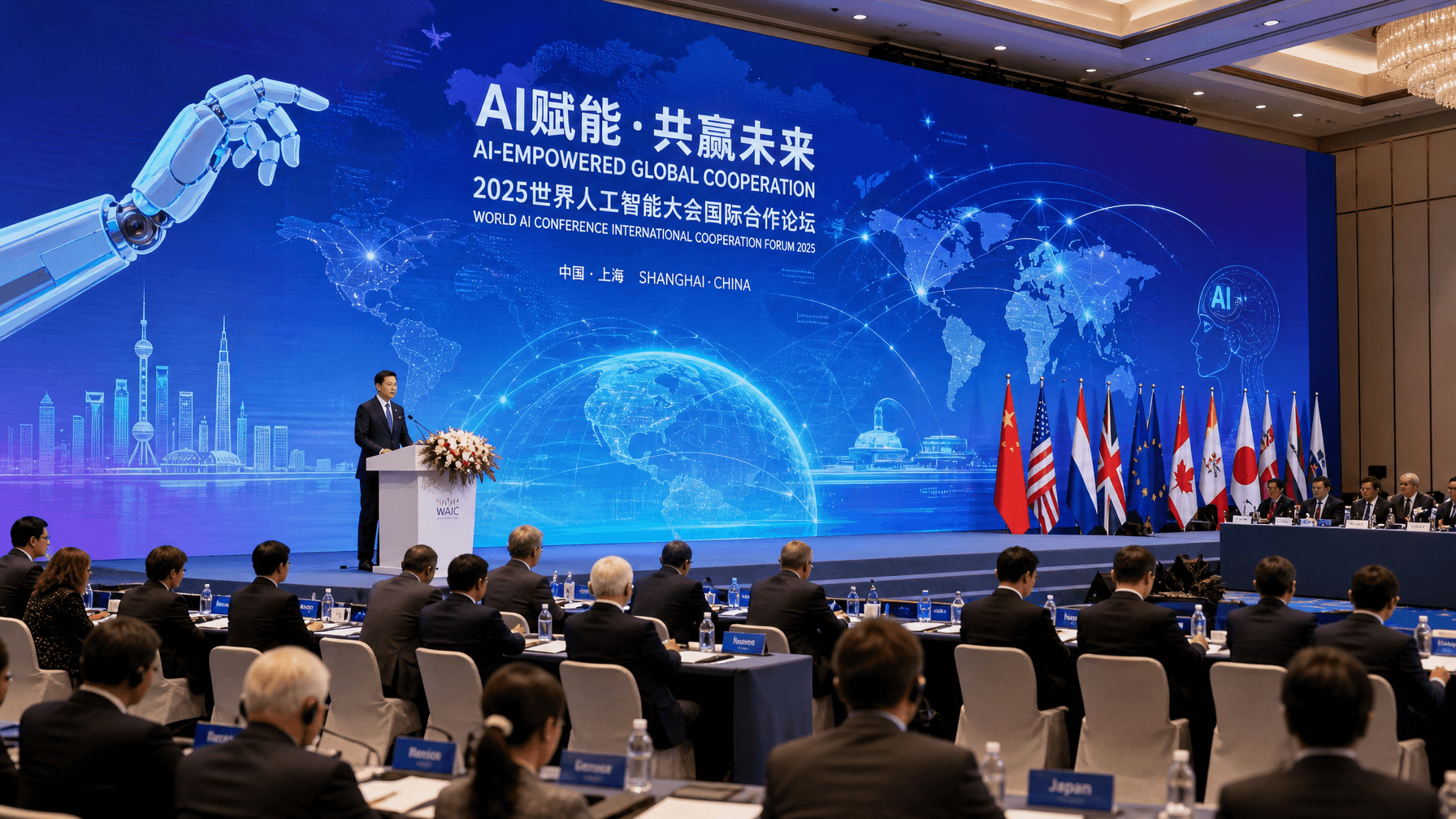
💡Understand the geopolitical landscape shaping the future of humanoid robotics and global AI standards.
⚡ 30-Second TL;DR
What Changed
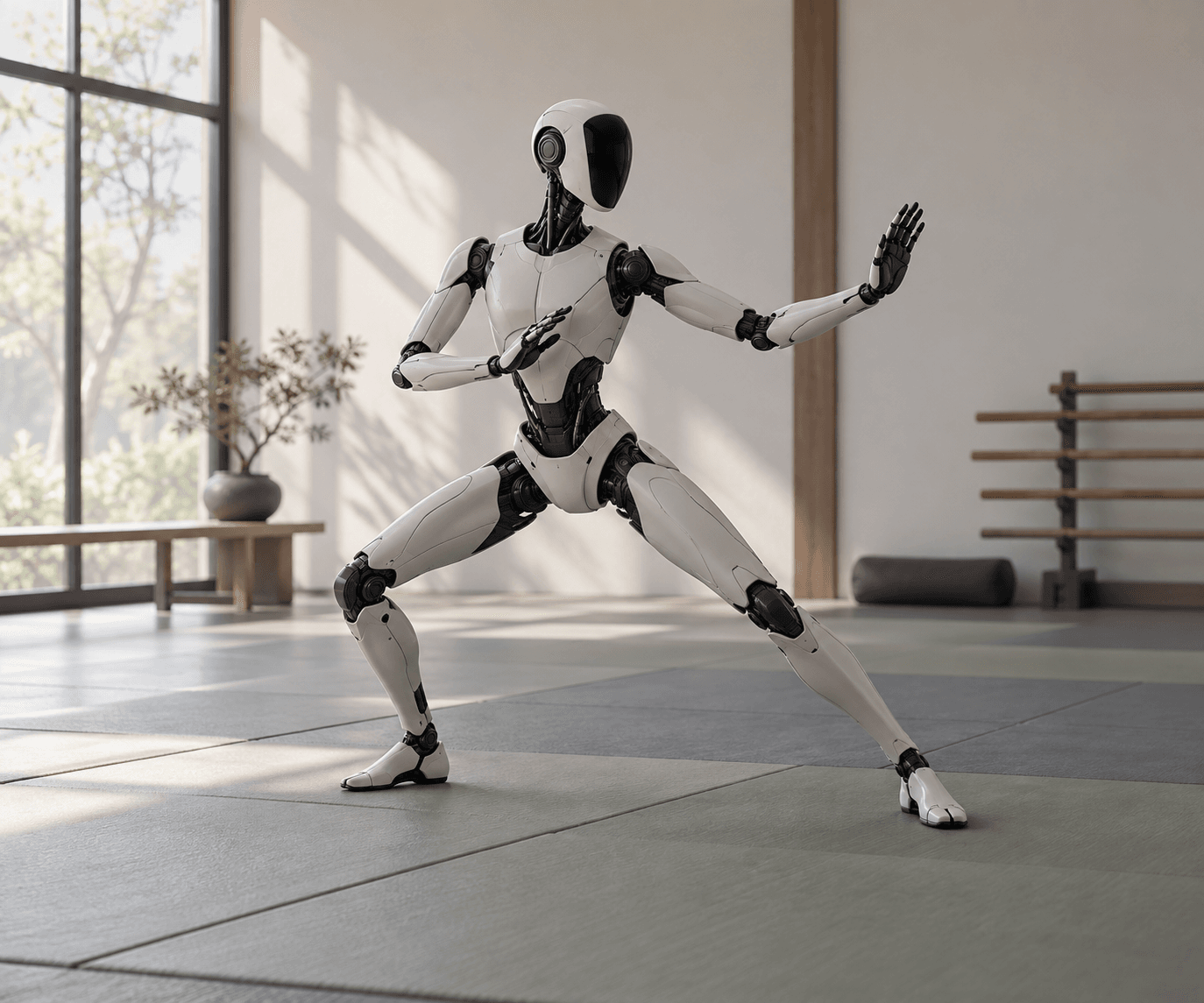
China is positioned to lead in humanoid robotics and embodied AI development.
Why It Matters
This signals a shift toward standardized, geopolitically-aware robotics frameworks that may influence how developers approach global deployment.
What To Do Next
Monitor the development of international robotics standards to ensure your hardware designs remain compliant with emerging global regulations.
Key Points
- •China is positioned to lead in humanoid robotics and embodied AI development.
- •Emphasis on digital sovereignty for Global South nations in AI governance.
- •Call for trilateral cooperation to establish global robotics standards.
🧠 Deep Insight
Background and context from public sources — not the original article. 19 sources cited.
🔑 Enhanced Key Takeaways
- •China's national "Robot+" and "AI + Manufacturing" initiatives aim to significantly increase manufacturing robot density by 2030 and establish humanoid robot pilot production lines.
- •A planned $400 billion investment in robotics for 2026, coupled with shared manufacturing processes between electric vehicles and humanoid robots, is expected to drastically lower production costs and accelerate commercial maturity.
- •China's extensive control over the EV supply chain, including components like actuators and rare earths, provides a substantial cost advantage for domestic humanoid robot manufacturers.
- •China's Global AI Governance Action Plan (July 2025) and the proposal for a World AI Cooperation Organization (WAICO) demonstrate its intent to shape international AI norms and prevent monopolistic control by a few countries or corporations.
- •Digital sovereignty for Global South nations is being reimagined through the development of local digital public infrastructure, fostering indigenous technological platforms, and negotiating equitable terms with global tech corporations to reduce external dependencies.
🛠️ Technical Deep Dive
- Chinese humanoid robots like UBTECH's Walker S2 feature an autonomous battery swapping system for uninterrupted operation.
- Dobot Atom humanoids are designed for dexterous manipulation with precision up to ±0.05mm and 28 upper body degrees of freedom.
- XPeng's Iron robot utilizes sensors with autonomous-driving algorithms for navigation, leveraging technology from the electric vehicle sector.
- China controls approximately 63% of key companies in the global supply chain for humanoid robot components, including various types of actuators and rare earths essential for high-strength permanent magnets in motors.
- Companies like Unitree Robotics offer general humanoid robots such as the H1/H1-2 and G1, while others like Spirit AI are developing full-stack AI and robotics capabilities for general-purpose humanoids.
🔮 Future ImplicationsAI analysis grounded in cited sources
⏳ Timeline
📎 Sources (19)
Factual claims are grounded in the sources below. Forward-looking analysis is AI-generated interpretation.
Weekly AI Recap
Read this week's curated digest of top AI events →
👉Related Updates
AI-curated news aggregator. All content rights belong to original publishers.
Original source: Pandaily ↗
This is a summary, not the original. Read the source, or get the weekly briefing.
The weekly digest
One email a week. Unsubscribe anytime.