China’s MCU Market Rebounds
💡AI demand is tightening MCU supply just as automotive, robotics, and edge-AI deployments accelerate.
⚡ 30-Second TL;DR
What Changed
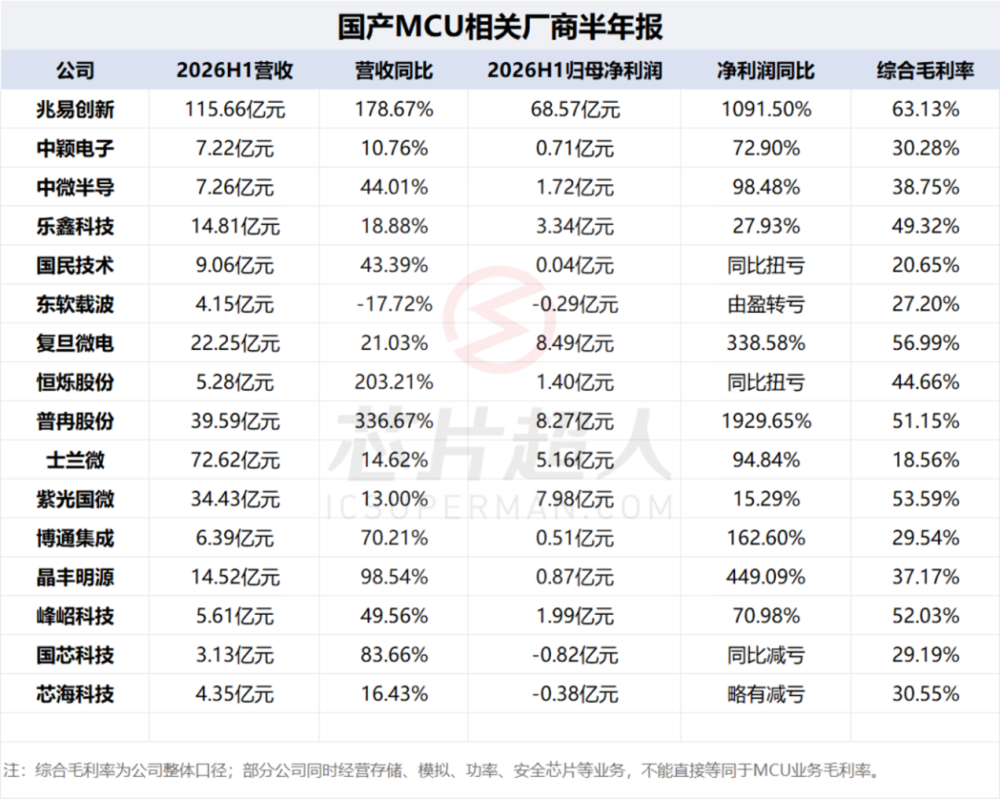
Gigadevice’s MCU revenue reached 1.43 billion yuan, up 49.07% year on year, with industrial applications becoming its largest MCU revenue source.
Why It Matters
For AI builders deploying edge inference, tighter MCU capacity and rising prices may affect device costs, lead times, and hardware selection. The strongest opportunities appear in industrial automation, robotics, automotive electronics, and low-power edge AI rather than general-purpose consumer devices.
What To Do Next
Benchmark your edge-AI model on at least two MCU vendors’ evaluation boards and request wafer, packaging, and allocation lead times before committing to a production design.
Key Points
- •Gigadevice’s MCU revenue reached 1.43 billion yuan, up 49.07% year on year, with industrial applications becoming its largest MCU revenue source.
- •Puya and H-Silicon posted the fastest overall revenue growth, but memory products—not MCU demand alone—were their primary growth drivers.
- •Peakbev’s motor-control MCU revenue accounted for roughly 70% of sales and benefited from demand in automotive, industrial, server cooling, and robotics applications.
- •Nationalchip’s automotive chip revenue rose 108.47%, while Broadcom Integration’s Wi-Fi 6 MCU and Edge AI chips entered mass shipment.
- •AI and compute demand are competing for wafer and testing capacity, tightening MCU supply and contributing to price increases.
Weekly AI Recap
Read this week's curated digest of top AI events →
👉Related Updates


AI-curated news aggregator. All content rights belong to original publishers.
Original source: 虎嗅 ↗
This is a summary, not the original. Read the source, or get the weekly briefing.
Weekly AI briefing
One email a week. Unsubscribe anytime.