China’s Automotive Chip Replacement
💡The chip shortage opened a path for domestic silicon in AI-enabled vehicles.
⚡ 30-Second TL;DR
What Changed
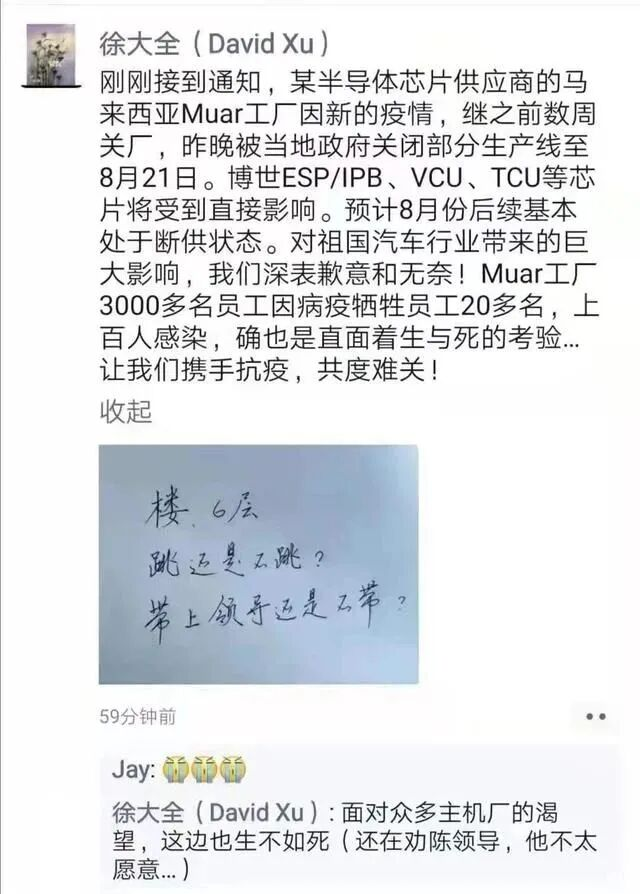
The 2021 shortage caused factory stoppages, extreme chip price inflation, vehicle price increases, delivery delays, and feature reductions.
Why It Matters
A stronger domestic automotive chip base could reduce supply-chain concentration risk for EV makers and provide more options for AI-enabled vehicles. However, long qualification cycles and safety liabilities mean replacement momentum will depend on field reliability, not only on chip availability.
What To Do Next
Audit your AI-vehicle hardware roadmap against AEC-Q, IATF 16949, and ASIL-D requirements before selecting domestic chips for edge inference or autonomous-driving workloads.
Key Points
- •The 2021 shortage caused factory stoppages, extreme chip price inflation, vehicle price increases, delivery delays, and feature reductions.
- •Domestic suppliers struggled not mainly because of fabrication capability, but because automakers required lengthy validation, reliability evidence, and functional-safety certification.
- •AEC-Q testing, IATF 16949 quality management, and ASIL-D requirements created a high entry barrier for new automotive chip vendors.
- •The Wuling Hongguang MINI EV and Lianchuang Automotive Electronics completed an ABS replacement program in roughly one month during the supply crisis.
- •Chinese vendors are expanding in SiC and IGBT power modules, cockpit chips, automotive NOR Flash, safety controllers, DRAM, and isolated signal-chain devices.
Weekly AI Recap
Read this week's curated digest of top AI events →
👉Related Updates



AI-curated news aggregator. All content rights belong to original publishers.
Original source: 虎嗅 ↗
This is a summary, not the original. Read the source, or get the weekly briefing.
Weekly AI briefing
One email a week. Unsubscribe anytime.