IFA 2026 Shows AI Moving Into Physical Devices
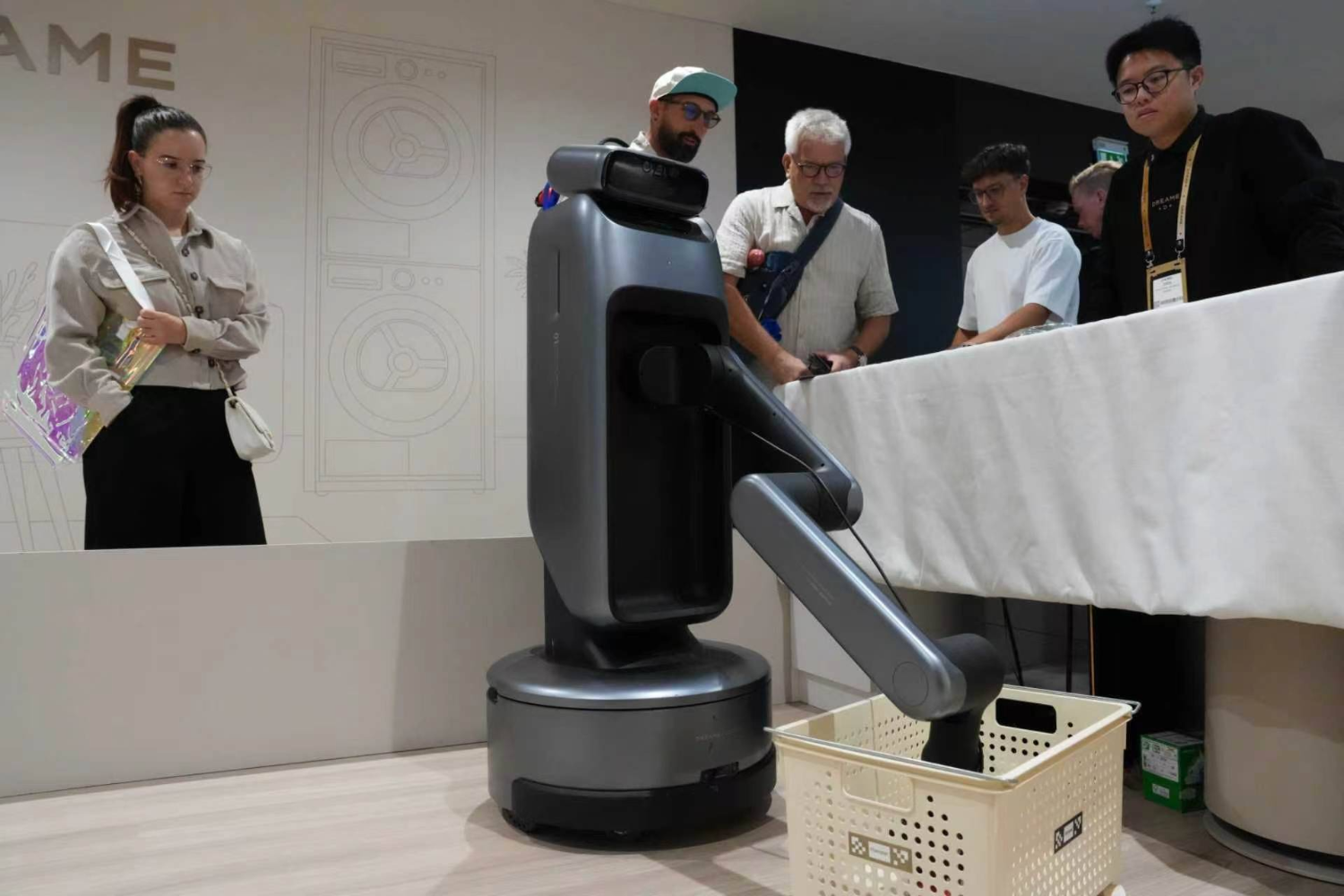
💡IFA reveals how AI agents are leaving screens to control robots, appliances, and private local devices.
⚡ 30-Second TL;DR
What Changed
Dreame's ECHO S1 uses an MLLM and VLA model to identify, sort, wash, and store clothing, though commercialization details remain unavailable.
Why It Matters
The event signals that consumer AI is moving from chat interfaces toward physical execution and ambient assistance. For AI builders, the opportunity is expanding into edge inference, multimodal control, device orchestration, and privacy-preserving household systems, although interoperability and reliability remain major barriers.
What To Do Next
Prototype one household workflow with an edge-first architecture, measuring latency, offline accuracy, memory use, and fallback behavior before adding cloud-based reasoning.
Key Points
- •Dreame's ECHO S1 uses an MLLM and VLA model to identify, sort, wash, and store clothing, though commercialization details remain unavailable.
- •LG's ThinQ Claw and connected appliances interpret vague scenarios such as hosting a party and coordinate lighting, ovens, and ventilation automatically.
- •UGREEN's HomeAgent HA100 Pro runs household decisions locally, with versions ranging from 26 TOPS to 2070 TOPS and a no-cloud privacy design.
- •AI wearables are narrowing their scope, with translation earbuds focusing on real-time translation instead of replacing smartphones.
Weekly AI Recap
Read this week's curated digest of top AI events →
👉Related Updates


AI-curated news aggregator. All content rights belong to original publishers.
Original source: 虎嗅 ↗
This is a summary, not the original. Read the source, or get the weekly briefing.
Weekly AI briefing
One email a week. Unsubscribe anytime.